Boiling Europe and the far-right narrative
Updated 13 hours ago

Time and space separating September 27 with October 4 are vaster than a mere seven days
So who blinked first?
The time and space separating September 27 with October 4 are vaster than a mere seven days. Therein lies the deviously delicious story of how and why the long march is getting longer in execution and shorter in expectations. Here's how the situation looks presently.
1. Chief Minister K-P Sohail Afridi jumped the gun. The date, when given, was weeks away. It was meant to allow enough time for a workable solution that would not require the march to be, well, marched. His assumption turned out to be misplaced. One reason for this mistake, among others, was the lack of consensus within the PTI leadership on the long march being the best possible option at this time. And that too with a definitive date. Afridi got swept in the emotional momentum and pressure generated by the PTI support base and its social media, and also, probably, his desire to ride the wave of populist sentiment. This, when combined with the exuberance of youth and the power of the office he holds, produced an outcome that may not turn out as intended.
2. The problem however is not just Sohail Afridi. It's the fractured nature of PTI's leadership, and therefore its inability – or at least diminished ability – to firstly build a working relationship, and then forge a consensus on key decisions. In this case, the leadership remains divided till date between those who want the long march to take place regardless of its outcome, and those who still maintain that dialogue can produce better results. The declaration of the date of the march and its postponement at the last minute is a manifestation of this gnawing divide.
3. Then, PTI is alone. The Jamaat-e-Islami has called off its march to Islamabad instead of aligning it with PTI. The Kissan Ittehad is nowhere to be seen. Maulana Fazlur Rehman and his JUI cadres have shown no interest in making it a combined affair. The Tehreek-e-Tahaffuz Ain-e-Pakistan (TTAP) is tagging along but its leaders outnumber its followers. Even within TTAP there is little coherence. Leader of the Opposition Mehmood Khan Achakzai talks about a long march that has wide and dispersed goals like bringing down the government and forcing new elections; Leader of the Opposition in the Senate Allama Nasir Abbas insists that dialogue, even at this stage, is preferrable to a street collision; and to add to these woes, the PTI informed the TTAP about the postponement of the march only after its leadership had already taken a decision.
4. The government's excessive crackdown and blockading of Islamabad was meant to convey a message: there will be zero flexibility in its response. This was conveyed to some of the PTI leadership with elaborate details. The carefully orchestrated leaks about Governor's Rule and ouster of the K-P CM were part of this communication aimed at creating psychological pressure on the PTI. The detention of Imran Khan's family members was also meant as a signal of the government's resolve.
5. PTI's explanation that its decision to push the date of the march ahead by a week is meant to 'tire out' the government is plain silly. This isn't a football match. The state always has a huge advantage when it comes to displaying administrative and law enforcement stamina. The PTI knows well that it has been forced to blink first because of its own internal weaknesses and faulty decision-making process. So what now?
6. Here's where things get interesting. By blinking first, PTI has also allowed the government enough political space to take some initiative and create a 'win-win' situation for both sides. It's tricky, but it's doable. Underneath the bluster of bringing down the government or getting Imran Khan freed from jail, the realistic and acceptable demands of the PTI are basically two: (i) Give family members or leaders access to Khan in jail, (ii) Transfer Khan to the hospital as per the Supreme Court order. These can be met without too much trouble. In fact, they were already under consideration and there was some progress in the talks between Interior Minister Mohsin Naqvi and PTI Chairman Barrister Gohar. Those advocating dialogue within PTI were saying exactly this: don't use the option of the long march now when the same things can be obtained through talks. The timing was key.
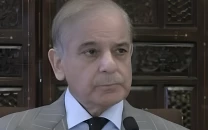
7. Speaking of timing, Prime Minister Shehbaz Sharif has timed his latest initiative well. He has written a letter to Mehmood Achakzai in his position as the leader of the opposition. It is quite probable that a meeting between the two may take place before October 4. The PM is already on his way back from New York after attending the UN General Assembly session. Earlier too he had written a letter to Achakzai to fulfil the constitutional requirement of consultation on key appointments in the Election Commission of Pakistan. Achakzai told me this week he had appreciated the language of the PM's letter. He also acknowledged to me that he was in touch with Nawaz Sharif. Achakzai is now the man to watch.
8. This week would therefore see two parallel trends: continued bluster by the likes of Sohail Afridi competing with the sombre engagement of Achakzai, Allama Nasir Abbas and Barrister Gohar. It is hard to say at this stage which side will prevail, but the government now has the opportunity to help the latter succeed. The most effective initiative it can take is to give Achakzai and Allama Nasir Abbas access to Khan. This could change the dynamics of the situation and pave the way for sustained engagement and relief.
9. Transferring Khan to a hospital (likely PIMS) is not a big deal for the government. But it won't happen if the government feels it is being pressured to do so. Such a step has to be framed as a "win-win" and not a forced concession from the government. The space now available can be made use of for this very possibility to be negotiated keeping in mind sensitivities of both sides. That is, as we are finding out, easier said than done when tempers are this high.
10. The PTI may have blinked first, but it may yet get what it wants if it plays its cards well. For that to happen, the CM K-P may have to take a back seat.



This material may not be published, broadcast, rewritten, redistributed or derived from. Unless otherwise stated, all content is copyrighted © 2026 The Express Tribune.
COMMENTS (1)
Comments are moderated and generally will be posted if they are on-topic and not abusive.
For more information, please see our Comments FAQ