Wandering families content on living under open sky
Updated 19 hours ago

Experts call for comprehensive scientific assessment
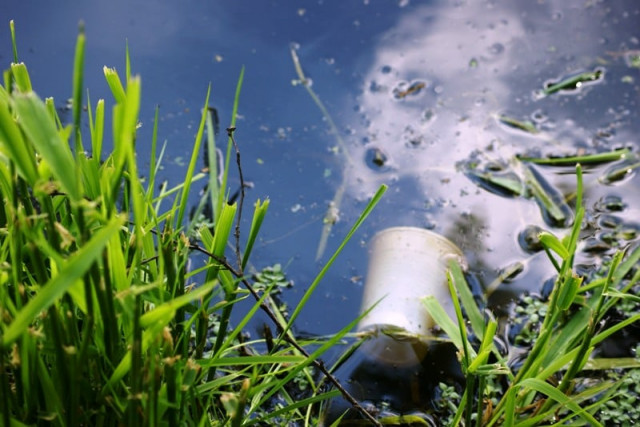
Arsenic contamination has emerged as a serious water-quality concern in Multan, but its extent across the city remains unclear.
Water-testing experts have stressed the need for a comprehensive and representative survey to determine the current level of contamination and identify areas requiring intervention.
A water testing research officer, Saima Gul, said arsenic levels could not be generalised for the entire city on the basis of limited samples because contamination might vary according to location, source, groundwater depth and the period during which samples were collected and tested.
She said drinking water in the city was obtained from different sources, including WASA supplies, tube wells and hand pumps, household sources and commercial filtration plants. Therefore, proper assessment required systematic sampling from all major areas and different types of water sources rather than relying on results from limited locations.
Groundwater is widely used in parts of Multan and surrounding areas. Arsenic contamination may remain unnoticed because affected water does not necessarily show any obvious change in colour, taste or smell. Regular laboratory testing is, therefore, essential to determine whether a source is safe for consumption.
A published study examining drinking water in high schools in four tehsils of Multan found arsenic concentrations ranging from 3.25 to 184 micrograms per litre. It reported that 99 per cent of the tested samples exceeded the World Health Organisation (WHO) guideline of 10 micrograms.
Another study covering groundwater in five areas of Punjab, including Multan, found that 75% of 123 tested wells exceeded the WHO guideline, while 41% were above Pakistan's permissible limit of 50 micrograms per litre.
Samples were collected from hand pumps, electric pumps and tube wells at varying depths, showing differences in contamination.
The Pakistan Council of Research in Water Resources (PCRWR) has also reported arsenic contamination in groundwater in several areas, including Multan.
A national assessment covering 45,920 water sources found 13% above the WHO guideline and 3% above Pakistan's permissible limit of 50 micrograms.
The difference between the two standards is important.
The WHO considers inorganic arsenic a confirmed human carcinogen and says long-term exposure through drinking water and food can cause serious health effects, including skin lesions and cancers. It identifies contaminated groundwater as a major source of human exposure and recommends testing water sources and providing safe supplies or appropriate treatment where contamination is found.
In Muzaffargarh, around 20% of water samples examined during the past three years were reported to contain arsenic. A water testing management research officer for Layyah for Layyah and Muzaffargarh said the findings covered parts of the Muzaffargarh, Alipur and Jatoi tehsils.
In Layyah, arsenic was detected in up to 30% of drinking-water samples from different areas, with the maximum concentration reaching around 120 parts per billion. The affected sources included hand pumps and tube wells.
The experts called for regular testing, monitoring and purification of drinking-water sources, particularly in areas heavily dependent on groundwater.
The variation in findings from different locations and sources underlines the need for a systematic assessment.
A comprehensive city-wide survey covering WASA supplies, groundwater, tube wells, hand pumps, household sources and commercial filtration plants could provide a clearer picture of the situation.
This would help identify high-risk areas and determine where treatment or alternative safe water supplies are urgently required, they said.













This material may not be published, broadcast, rewritten, redistributed or derived from. Unless otherwise stated, all content is copyrighted © 2026 The Express Tribune.







COMMENTS
Comments are moderated and generally will be posted if they are on-topic and not abusive.
For more information, please see our Comments FAQ