Army major martyred in IED attack, four terrorists killed in Balochistan IBO: ISPR
Updated 2 hours ago

Traders blame rising transport costs, alleged inter-provincial supply restrictions as inflation squeezes households
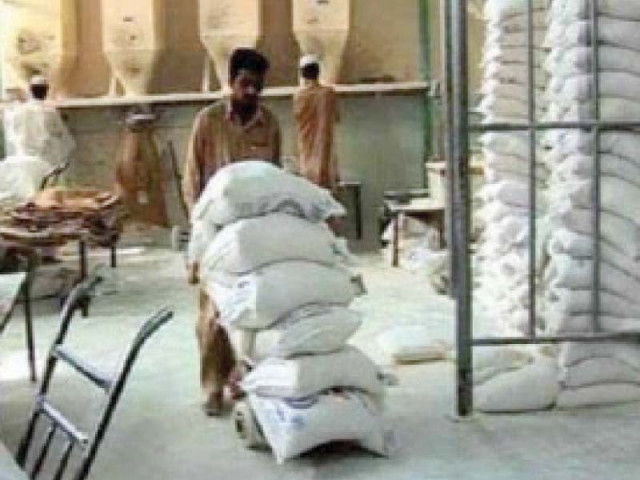
Flour prices have risen sharply in Shangla, with a 20-kilogram bag now selling for between Rs2,950 and Rs3,000, while prices in several remote areas have crossed the Rs3,000 mark, traders said.
The increase has added to the difficulties of people already struggling with rising inflation, as repeated increases in fuel prices have pushed up the cost of food and other essential commodities. Low-income households and employees working in the private sector are facing particular financial pressure, with many finding it increasingly difficult to meet household expenses, support their children and afford basic food.
Traders from different parts of Shangla said they were purchasing a 20kg flour bag for around Rs2,900 and selling it for Rs2,950 to Rs3,000. In remote areas, transportation and other additional costs had pushed the price above Rs3,000, they added.
The traders expressed concern over the increase, claiming that alleged restrictions or obstacles imposed by the Punjab government on inter-provincial transportation and trade were affecting markets in Khyber-Pakhtunkhwa (K-P). They said the situation could further affect the availability and prices of flour in the province.
Read: Flour prices soar as Punjab blocks supply to K-P
They said that while fuel prices continued to rise, flour, cooking oil, sugar, pulses and other essential commodities were also becoming increasingly unaffordable for ordinary consumers. Rising daily expenses had disrupted household budgets, particularly for middle- and low-income families, while limited business activity and unemployment prevented any significant increase in incomes.
According to the traders, employees working in private institutions, shops, markets and other sectors on low salaries were among the worst affected. Many low-paid workers earn around Rs30,000 a month or even less, making it extremely difficult to meet the basic expenses of a household under the prevailing inflationary conditions.
Rising fuel prices had also increased the difficulties faced by employees who commute to work on motorcycles, traders and residents said. For low-paid workers, even purchasing petrol for daily travel has become a burden, while they must continue paying transportation costs to reach their workplaces.
They said higher prices of flour and other food items, combined with electricity, gas and water bills, school fees, medical expenses and other essential costs, had placed poor and salaried families under severe economic pressure. Limited incomes were making it increasingly difficult for households to meet these competing expenses.
The traders also expressed concern over measures attributed to the Punjab government, saying that obstacles to inter-provincial trade and the movement of essential commodities could affect ordinary consumers. They referred to Article 151 of the Constitution, which deals with freedom of trade, commerce and intercourse throughout Pakistan.
Read More: Punjab flour halt drives prices higher
They said K-P was home to millions of Pakistanis belonging to different political parties and schools of thought and that the uninterrupted supply of essential food items should be ensured irrespective of political affiliations.
The traders said any political or administrative tensions between Punjab and K-P should not burden ordinary citizens, workers, salaried employees and businesspeople. Difficulties in the movement of essential commodities between provinces, they added, could drive prices higher and further affect people already struggling with inflation.
















This material may not be published, broadcast, rewritten, redistributed or derived from. Unless otherwise stated, all content is copyrighted © 2026 The Express Tribune.





1727268465-0/Untitled-design-(42)1727268465-0-208x130.webp "sisyphus in the land of saviours")
COMMENTS
Comments are moderated and generally will be posted if they are on-topic and not abusive.
For more information, please see our Comments FAQ