Govt increases petrol by Rs1.82, cuts diesel by 91 paisas for Oct 8
Updated 39 minutes ago

Decomposing phytoplankton leaves much of the city under an unwelcome cloud of odour
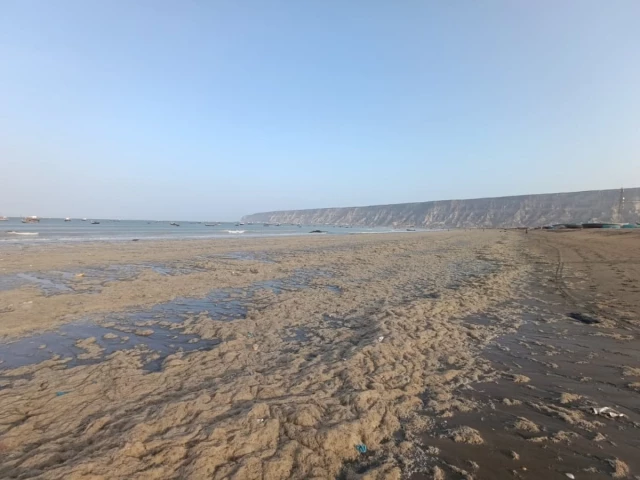
Karachi woke up on Wednesday to an unwelcome visitor — a pungent smell drifting through streets, neighbourhoods and even parts of the city far from the shoreline, leaving residents wondering where it had come from.
From Clifton and DHA to Korangi, PECHS and the old quarters around MA Jinnah Road, Tower and Kharadar, the unusual odour spread across large swathes of the metropolis. For many residents, it was difficult to escape; for others, the smell was strong enough to turn an otherwise ordinary morning into an unpleasant guessing game.
But there was no mysterious leak, hidden dump or sudden pollution event behind the stench, according to marine experts. The culprit, they said, was a seasonal marine phenomenon unfolding just offshore.
Read: Coastal beauty destroyed by garbage
The smell is the result of phytoplankton dying and decomposing after proliferating in Karachi’s coastal waters during the monsoon season. These microscopic marine plants are a normal and essential part of the ocean ecosystem, but when they multiply in large numbers and subsequently decay, they can produce a distinctly foul odour.
According to WWF-Pakistan Technical Adviser Muhammad Moazzam Khan, the phenomenon is part of a natural seasonal cycle that generally occurs towards the end of the several-month monsoon period, when marine conditions begin to shift.
During the monsoon, phytoplankton can multiply rapidly, sometimes becoming so concentrated that seawater takes on a greenish appearance. But as winds, water movement and other seasonal conditions change, the microscopic organisms begin to die. Their remains then decompose and that is when the sea can make its presence known in a rather unpleasant way.
“As marine conditions change due to seasonal variations, phytoplankton begin to die naturally, partly because of changes in wind and water conditions. Their decomposition can produce a strong and unpleasant odour,” Khan explained.
Phytoplankton are not the only contributors. Other forms of marine vegetation also flourish during the monsoon before dying back and decomposing, adding to the cocktail of smells carried from the coast.
The phenomenon is not unique to the city either. Khan said a similar occurrence had been observed along the Gwadar coast about three days earlier, suggesting that the seasonal marine cycle is playing out along parts of the country’s coastline.
Also Read: Explainer: Why do thousands of seashells wash up on Karachi's shores every monsoon?
However, Karachi residents are left wondering how a smell from the sea had travelled so far inland. The answer, experts said, lay partly in what was not happening in the atmosphere. Sea breezes, which normally help carry coastal air away and disperse odours, remained unusually weak from Tuesday night into Wednesday morning, according to the Pakistan Meteorological Department (PMD). With little wind to push the smell away, it lingered — allowing the marine odour to creep into neighbourhoods across the sprawling city.
The weak winds persisted through much of Wednesday before southwesterly sea breezes strengthened in the evening, reaching up to 22 kilometres per hour. The PMD expects the sea breeze to become fully active from Thursday, a change that should help clear the air and disperse the odour.
For now, experts say, there is little reason for alarm. As the sea breeze picks up, Karachi’s unwelcome coastal visitor is expected to fade as quickly as it arrived, leaving behind little more than a fleeting reminder of the life — and decay — unfolding beneath the waves.
















This material may not be published, broadcast, rewritten, redistributed or derived from. Unless otherwise stated, all content is copyrighted © 2026 The Express Tribune.






COMMENTS
Comments are moderated and generally will be posted if they are on-topic and not abusive.
For more information, please see our Comments FAQ