$1.2b loan accord reached with IMF
Updated 4 hours ago

Balochistan CM says no talks with those who take up arms against state; backs call for new provinces
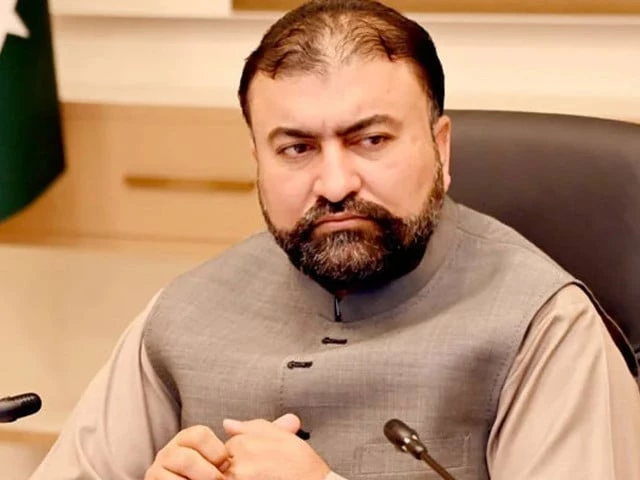
Balochistan Chief Minister Mir Sarfraz Bugti has said the fight against terrorism will continue until the “last terrorist” is eliminated, stressing that the civil and military leadership is united against the menace.
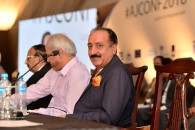
“There is no ambiguity or confusion on this matter,” Bugti said while speaking via video link to anchors, senior journalists and other representatives of the national media at the Chief Minister’s Secretariat on Saturday.
He said state institutions were working in complete coordination against terrorism and ruled out dialogue with those taking up arms against the state. “Security forces in Balochistan are performing their duties under difficult circumstances,” the chief minister said, adding that there would be no talks with those who challenge the state through violence.
بلوچستان میں آخری دہشت گرد کی موجودگی تک جنگ جاری رہے گی، دہشت گردی کے خلاف سول اور عسکری قیادت متفق اور یکسو ہے، اس معاملے پر کوئی ابہام یا کنفیوژن نہیں۔وزیر اعلیٰ بلوچستان میر سرفراز بگٹی
— Chief Minister's Office Balochistan (@CMOBalochistan) September 12, 2026
کوئٹہ، 12 ستمبر 2026
وزیر اعلیٰ بلوچستان میر سرفراز بگٹی نے کہا ہے کہ بلوچستان میں آخری… pic.twitter.com/V71rrVEa5n
CM Bugti said it was not possible to govern the entire province from Quetta and argued that any new provinces in Balochistan should be created on administrative rather than linguistic grounds.
Responding to a question about a possible change in government, CM Bugti said he was unaware of any “two-and-a-half-year government agreement”. The decision regarding a change in government rested with the political leadership, he said, adding that he would continue serving the people as long as he remained in office.
On corruption, the chief minister said he could not claim that the menace had been completely eliminated but maintained that it had declined compared with the past. He added that the provincial government was taking steps to ensure merit in government departments, including educational institutions.
Read More: Parliament to decide on creating new provinces: Sanaullah
CM Bugti also claimed that development projects in Balochistan were being completed in record time compared with the past. He said the government’s focus was on making development more effective, result-oriented and responsive to public needs.
Referring to the repatriation of foreign nationals, CM Bugti said 1.1 million Afghan refugees, along with other foreign nationals, had been sent back from Balochistan to their respective countries.
On the issue of missing persons, he said the matter was sometimes presented in the national media and other forums without the proper context, resulting in an inaccurate portrayal of the situation.
He stressed that terrorism was not a problem confined to Balochistan but a national challenge requiring collective efforts at the federal and provincial levels.
The chief minister’s interaction with the media followed a series of briefings on the province’s socioeconomic development, mining and minerals and law and order situation.
The Planning and Development Department briefed participants on the government’s strategy for socioeconomic development, governance, service delivery, utilisation of development funds and implementation of development projects.
The Mines and Minerals Department gave a briefing on the province’s mineral potential, ongoing projects and measures to develop the mining sector and generate economic benefits for the people.
The Home and Tribal Affairs Department briefed the chief minister on the law and order situation, the Provincial Action Plan, police reforms, the merger of the Levies Force into the police, the Safe City project and coordination among law-enforcement agencies.






This material may not be published, broadcast, rewritten, redistributed or derived from. Unless otherwise stated, all content is copyrighted © 2026 The Express Tribune.

COMMENTS
Comments are moderated and generally will be posted if they are on-topic and not abusive.
For more information, please see our Comments FAQ