Fact check: Viral video does not show Palestinian flag atop Eiffel Tower amid France riots; is AI generated
Updated 1 hour ago

Rights groups, opposition parties urge government to let enrolled Afghan students complete their degrees
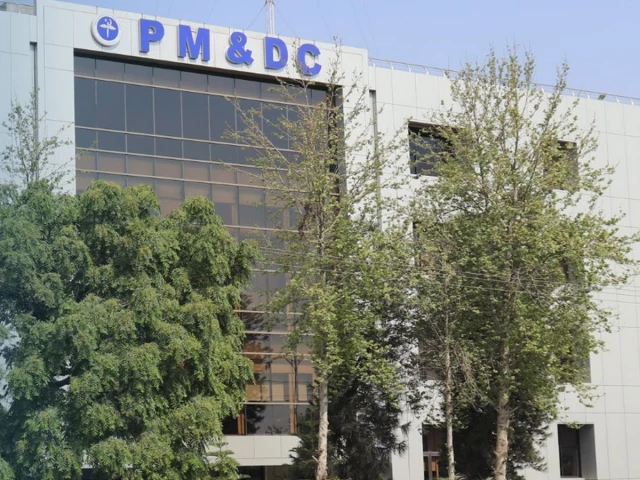
Human rights groups and opposition parties have strongly criticised a Pakistan Medical and Dental Council (PMDC) directive requiring Afghan nationals already enrolled in medical and dental institutions in Pakistan to return to Afghanistan, arguing that students should not be penalised for deteriorating relations between the two countries.
The PMDC reiterated the directive in a letter to medical and dental colleges on September 1, directing institutions to comply with earlier policy instructions. It said no admission, placement, transfer, migration or other facilitation of Afghan nationals would be permitted during the current academic session, while Afghan nationals already enrolled in medical and dental programmes would be required to return to Afghanistan.
King Edward Medical University (KEMU) in Lahore became one of the first public universities to act on the directive on Tuesday, ordering 20 Afghan MBBS students to report within 24 hours. Seven of the students are in their final year. The university is processing their no-objection certificates and other formalities to facilitate their departure.
The Human Rights Commission of Pakistan (HRCP) strongly criticised the decision on Wednesday, saying the move was “no longer simply an education policy” but “a humanitarian crisis affecting young people whose education, safety and futures are at immediate risk”.
HRCP strongly condemns the decision to rusticate and repatriate Afghan students—including women—already enrolled in medical and dental colleges in Pakistan, as well as to bar new admissions. This is no longer simply an education policy; it is also a humanitarian crisis affecting…
— Human Rights Commission of Pakistan (@HRCP87) September 9, 2026
HRCP said students in Lahore had reported that around 100 Afghan medical and dental students could be affected, including an estimated 20 to 40 women. It added that some students had approached the commission seeking legal and institutional support, as well as safe shelter.
“We call on the government urgently to uphold the principle of non-refoulement,” HRCP said. “Given the well-documented risks faced by Afghans returning to Afghanistan — and particularly by women — no student should be forcibly returned without an individual assessment of the risks they face,” it added.
The commission said Pakistan’s security concerns and strained relations with Afghanistan could not justify “collectively punishing students”. “The repatriation orders must be suspended immediately, the affected students’ enrolment restored, and urgent arrangements made for those requiring protection and shelter,” it added.
TTAP says education a fundamental right
The decision also drew a strongly worded response from Opposition Leader in the Senate Allama Raja Nasir Abbas, who called for the students to be allowed to complete their degrees.
In a post on X by the opposition alliance Tehreek Tahaffuz-e-Ayeen Pakistan (TTAP), Abbas said, “There are students who have already reached the final year of their studies. Education is a fundamental human right, and once they enter the country legally, it becomes your responsibility to facilitate them.”
🔹 "There are students who have already reached the final year of their studies. Education is a fundamental human right, and once they enter the country legally, it becomes your responsibility to facilitate them. Granting them a student visa is akin to a commitment that they can… pic.twitter.com/iaRaAw49Yg
— Tehreek-e-Tahafuz-e-Ayin-e-Pakistan (@TTAP_OFFICIAL) September 9, 2026
He said granting students visas amounted to a commitment that they would be able to live and study peacefully in Pakistan, adding that the students “do not study here for free; they pay their regular tuition fees”.
Abbas described the PMDC notification as “entirely politically motivated” and said it gave “the distinct impression of a personal vendetta”.
He said the decision was “tantamount to harming” future generations and warned that transferring political hostility to young people would only “sow the seeds of hatred”.
The opposition leader contrasted Pakistan’s approach with countries that actively attract international students, arguing that foreign graduates can become a source of “soft power” and unofficial ambassadors for the countries where they studied.
“Afghanistan is our neighbouring and brotherly Islamic nation, sharing centuries-old, deep-rooted ties with us — ties that predate the creation of Pakistan itself,” he said. “What is being done to them today is, believe me, an immense misfortune for Pakistan,” Abbas added, arguing that the policy would ultimately damage Pakistan itself.
He questioned whether the decision-makers had “abandoned all wisdom and rationality” and called the notification “a grave injustice”, urging the PMDC to withdraw it.
Abbas also warned that the decision could undermine Pakistan’s reputation as a destination for international education. “If this becomes our precedent, who would ever choose to study in our country?” he asked, saying students needed a secure environment in which to study rather than being subjected to a “pervasive sense of insecurity”.
Pakistan Tehreek-e-Insaf (PTI) leader and TTAP Secretary General Asad Qaiser also condemned the PMDC notification and called for Afghan students to be allowed to complete their degrees.
پی ایم ڈی سی نے افغانستان کے زیرِ تعلیم طلبہ کو پاکستان سے نکالنے کا نوٹیفکیشن جاری کیا ہے۔
— Tehreek-e-Tahafuz-e-Ayin-e-Pakistan (@TTAP_OFFICIAL) September 9, 2026
حکومتی پالیسی کے تحت ان طلبہ نے پاکستان کے میڈیکل کالجز میں داخلہ لیا تھا، لیکن ابھی ان کی تعلیم مکمل نہیں ہوئی اور انہیں نکالا جا رہا ہے۔ افغان زیرِ تعلیم طلبہ کو اس طرح نکالنا انتہائی… pic.twitter.com/m6kwTjEvJg
“Expelling Afghan students in this manner is extremely ridiculous. You are playing with the future of the students,” he said in a video message, warning that tensions between governments should not be allowed to create lasting hostility between their peoples.
“Relations between governments are sometimes good and sometimes bad, but the hatred that arises in the hearts of the people remains for a long time,” he said, questioning whether policymakers had considered their “heart or moral responsibility”.
Qaiser demanded the immediate withdrawal of the PMDC notification and said he had filed a case against it in the Peshawar High Court. He also said he would raise the issue in the National Assembly and assured the students that he would “raise our voice for them on every forum”.
PMDC issues directives
Alongside the repatriation process for existing Afghan students, the regulator has imposed an immediate suspension on new admissions, student transfers and migration applications involving Afghan nationals until further notice.
Medical institutions have been instructed to ensure full compliance with the regulatory order while coordinating with relevant government authorities wherever required. The decision is expected to have its greatest impact on students nearing graduation, particularly those in the final year of MBBS.
Medical education experts note that interruptions during the clinical phase of medical training can present significant academic challenges.
Universities are therefore processing transcripts, examination records and other academic documents to facilitate the transfer or continuation of studies wherever possible under the applicable regulations.
On the other hand, hostel administrations have also initiated standard exit procedures for affected students residing on campus.
According to university sources, students will be required to complete hostel clearance, return university-issued property, settle outstanding accommodation and mess charges, obtain library and laboratory clearances and vacate their rooms after completing institutional formalities.
Their hostel residency will remain subject to their legal status and continued eligibility under university regulations during the transition period.









This material may not be published, broadcast, rewritten, redistributed or derived from. Unless otherwise stated, all content is copyrighted © 2026 The Express Tribune.




COMMENTS (3)
Comments are moderated and generally will be posted if they are on-topic and not abusive.
For more information, please see our Comments FAQ