CNN’s Christiane Amanpour to leave network after 43 years
Updated 6 hours ago

Republicans say concerns involve security, extremism
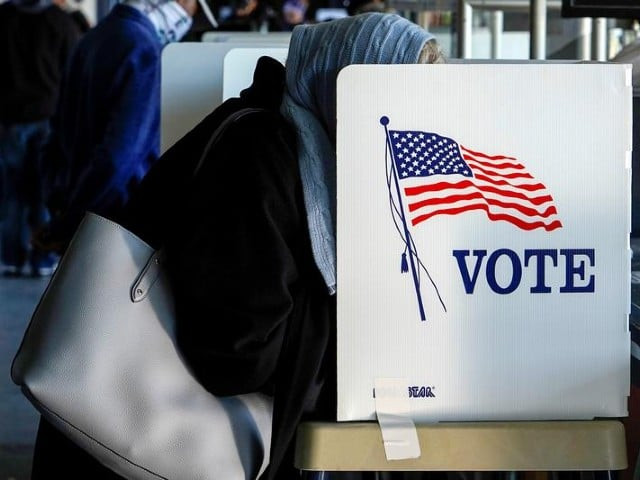
Republican Vice President JD Vance called Abdul El-Sayed, a Muslim and a Democrat running for the US Senate in Michigan, "very, very evil" at a rally last week, accusing him of defending terrorism because of remarks he made after a March attack on a suburban Detroit synagogue.
In Texas, Republican Governor Greg Abbott, in a close race for another term, attacked a proposed Muslim-led development and called for an investigation into what he described as efforts to create "sharia courts," a claim disputed by developers and civil rights groups.
In Alabama, where Muslims make up less than half a percent of the population, U.S. Senator Tommy Tuberville, a Republican running for governor, warned that "the enemy is inside the gates," referring to what he called radical Islam.
The comments reflect an effort to make Muslims and Islam part of the election debate ahead of the November 3 midterms that will determine whether Democrats can wrest control of Congress from President Donald Trump's Republican Party.
Critics say the rhetoric unfairly targets Muslims, while Republicans say they are raising legitimate concerns about security, extremism and the role of religion in public life.
Abbott campaign spokesman Eduardo Leal said the Texas governor's actions regarding the development were aimed at alleged illegal conduct, not religious beliefs.
Muslims number about 5.5 million people in the United States, up from 2.4 million in 2007, according to Pew Research Center. They account for about 1.6% of the country's population.
Muslim Americans have achieved a series of political milestones in recent years, building on the election of several Muslims to the US House of Representatives. New York City elected its first Muslim mayor, Zohran Mamdani, last year, while El-Sayed could become the first Muslim elected to the U.S. Senate. In Virginia, Ghazala Hashmi became the first Muslim woman elected to statewide office when she won the lieutenant governor's race.
The rhetoric has spread to House races as well.
Republican Representatives Keith Self and Chip Roy, both of Texas, have organized a "Sharia Free America Caucus" and Republican Representative Randy Fine of Florida has introduced legislation that he says will "tackle the rise" of sharia law in the United States.







This material may not be published, broadcast, rewritten, redistributed or derived from. Unless otherwise stated, all content is copyrighted © 2026 The Express Tribune.


COMMENTS
Comments are moderated and generally will be posted if they are on-topic and not abusive.
For more information, please see our Comments FAQ