The model that fuels Europe's protests
Updated 50 minutes ago

Fear Rs100b loss if exports not allowed before new crushing season
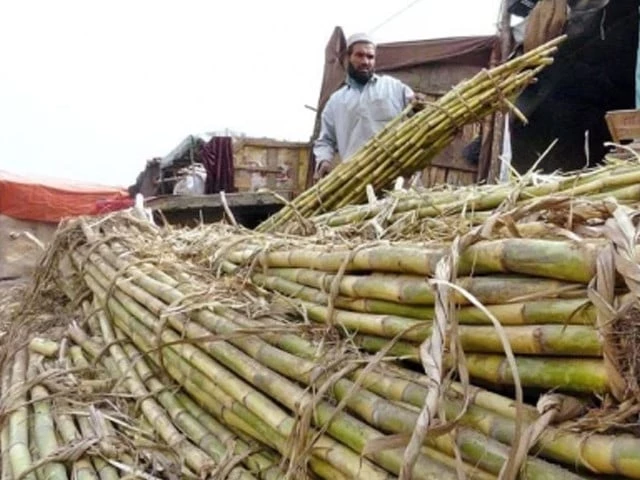
Agricultural leaders have called for immediate and full deregulation of Pakistan's sugar sector, warning that administrative bottlenecks, delayed decision-making and export restrictions risk inflicting severe financial losses on the farming community ahead of the upcoming crushing season.
In an official appeal, Pakistan Kissan Ittehad (PKI) President Khalid Mahmood Khokhar urged the federal government to immediately authorise the export of 1 million tons of surplus sugar prior to November 15, when the new crushing season is scheduled to commence.
The demand comes as countrywide estimates indicate a bumper sugarcane crop cultivated over 3.5 million acres, with output projected to expand by 10% to 15%. However, as per stakeholders, the country already holds an unconsumed domestic surplus stock of nearly 1.3 million tons.
Without timely export permission, growers fear a steep collapse in local sugarcane purchase prices, echoing the devastating 2017-18 crushing cycle, when delayed export approvals caused a collective financial hit of nearly Rs100 billion to farming households.
According to the Pakistan Economic Survey 2025-26, sugarcane contributes approximately 0.8% to Pakistan's gross domestic product (GDP) and accounts for 3.2% of total agricultural value addition. During FY2025-26, total land under sugarcane cultivation increased by 2.4% to roughly 3 million acres, yielding a record 89.45 million tons of sugarcane, a 6.2% annual growth. Average crop yields also improved to 780 maunds per acre, representing a substantial long-term rise from 471 maunds per acre recorded in the early 2000s.
Despite these productivity gains, industry leaders argue that state intervention continues to suppress the crop's true commercial potential, leaving Pakistani sugar uncompetitive internationally.
To build a sustainable, market-driven framework, the PKI demanded complete deregulation of the entire sugar industry, allowing import, export, production and pricing to be determined purely by supply and demand forces without administrative interventions or permit delays.
It also called for a temporary moratorium on establishing new sugar mills until the existing national infrastructure achieved at least 75% capacity utilisation and a mandatory minimum distance of 50 miles between newly permitted mills to prevent unsustainable industrial clustering and promote healthy regional competition, along with the complete repeal of provincial Sugar Acts to eliminate regulatory distortions and regional policy fragmentation. Representative bodies from the processing side emphasised that legislative overhauls had been long overdue to protect the broad agricultural supply chain.
They said that the current regulatory framework forced mills and farmers into a constant cycle of artificial surpluses and sudden price crashes. Allowing market dynamics to dictate trade timing will incentivise mills to invest directly in yield improvements across their catchment zones, ensuring growers get a fair compensation while keeping processing units commercially viable.
Industry experts added that removing direct state interventions would realign incentives across the entire agro-industrial value chain, encouraging processors to support modern farming techniques while safeguarding smallholders from cyclical price collapses.









This material may not be published, broadcast, rewritten, redistributed or derived from. Unless otherwise stated, all content is copyrighted © 2026 The Express Tribune.










1727268465-0/Untitled-design-(42)1727268465-0-208x130.webp "the reverse renaissance")

COMMENTS (1)
Comments are moderated and generally will be posted if they are on-topic and not abusive.
For more information, please see our Comments FAQ