Man steals Rs115m from pan shop
Updated 3 hours ago

Household water containers found teeming with dengue- and malaria-carrying mosquitoes
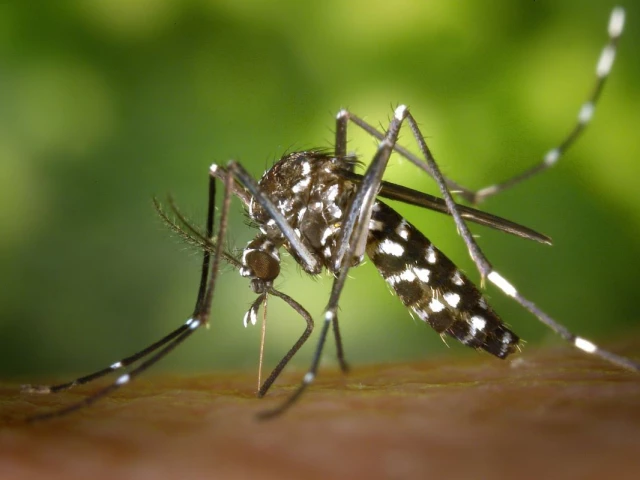
A water crisis in Hyderabad is creating a new public-health threat, with officials discovering mosquito breeding sites inside homes in Latifabad and warning that uncovered water storage is fuelling the spread of dengue and malaria.
District Health Officer Dr Pir Ghulam Hussain showed a house in Amani Shah Colony, Latifabad Unit 11, where dozens of containers - many of them six-litre water bottles - were found filled with stagnant water containing mosquito larvae, pupae and adult mosquitoes.
According to Dr Hussain, unsafe water storage has been identified as a breeding ground in up to 10 houses in the locality. He said Vector Borne Disease Control teams were surveying areas reporting a high incidence of malaria and dengue, with Amani Shah Colony among the locations being monitored.
While outdoor fumigation is being carried out by local government authorities, Dr Hussain said such drives could not address breeding sites inside homes where residents store water in uncovered containers. Health department teams therefore visit individual houses to inspect storage facilities and eliminate mosquitoes and larvae. He said some residents of Amani Shah Colony had resisted both inspections and indoor fumigation, making disease-control efforts more difficult.
Residents of localities such as Amani Shah Colony are compelled to store water because of the persistent shortage of supplies from the Hyderabad Water and Sewage Corporation (HWSC). But officials say the very practice helping households cope with the water shortage is also creating ideal conditions for mosquito breeding.
A video shared by the DHO's office showed dozens of uncovered containers of different sizes filled with water inside one house, with mosquitoes, larvae and pupae clearly visible on the surface.
In a video message, Dr Hussain appealed to residents to cooperate with health teams, allowing them to inspect household water-storage arrangements in areas with high rates of malaria and dengue and carry out indoor fumigation where required.













This material may not be published, broadcast, rewritten, redistributed or derived from. Unless otherwise stated, all content is copyrighted © 2026 The Express Tribune.










COMMENTS
Comments are moderated and generally will be posted if they are on-topic and not abusive.
For more information, please see our Comments FAQ