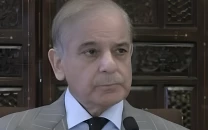
PM Shehbaz arrives in Peshawar for apex committee meeting, security briefing
Updated 12 hours ago

Proponents link call for new province to history and identity rights
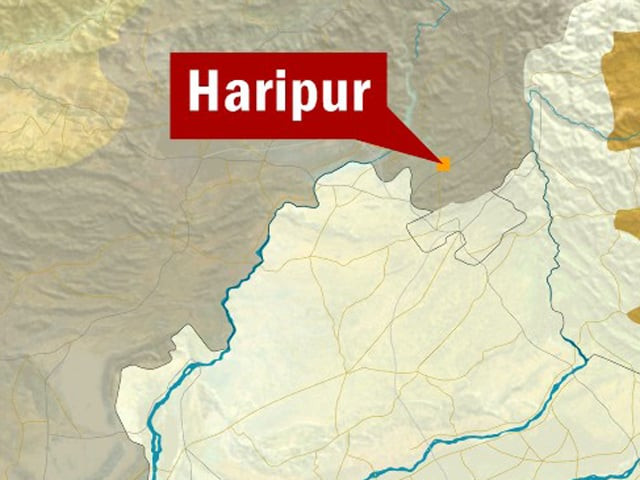
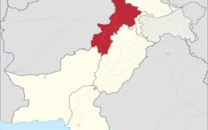
The debate over creating smaller administrative units in Pakistan has once again brought the longstanding demand for a separate Hazara province into focus, reviving a political struggle that its proponents trace back to 1987.
The formal political demand for a Hazara province is credited to the late Asif Malik Advocate, founder and leader of the Hazara Qaumi Mahaz Pakistan. His vision, supporters say, went beyond the boundaries of present-day Hazara Division and envisaged a Greater Hazara based on the former boundaries and broader geographical and administrative unity of historic Hazara.
For supporters of the movement, the issue is therefore not simply about creating another province. It is tied to the region's identity, political representation, administrative rights and equitable development.
Hazara Qaumi Mahaz Suba Hazara Banao Tehreek Central Deputy Information Secretary Irfan Mubarak says Hazara possesses resources including dams, roads, minerals, forests and tourism that could make it self-sufficient.
He argues that the division generates the highest revenue for Khyber Pakhtunkhwa but has remained neglected in the distribution of resources and in administrative and political affairs.
He says the demand has existed from the beginning. "Hazara should be separated from Khyber Pakhtunkhwa and made a province." He also alleges that the previous ANP government attempted to suppress the movement, including by stopping government advertisements to local newspapers that extensively covered the Tehreek-e-Suba Hazara.
The movement, he says, has also endured attempts to persuade its leaders to withdraw and the humiliation of its martyrs, while successive federal and provincial governments have failed to take the issue seriously.
The renewed debate has given the campaign fresh momentum. Senior leader and central general secretary of the Tehreek-e-Suba Hazara Abdul Saboor Qureshi says the group was among the first to welcome the federal interior minister's statement favouring smaller administrative units.
Qureshi argues that dividing larger provinces on administrative grounds and strengthening local governments would improve resource distribution, transfer power to the grassroots and help people obtain basic services closer to home. For residents of Hazara, he says, travelling to Peshawar for government work remains a hardship.
The movement's proponents also point to history to support their broader vision. British-era records show that administrative boundaries changed over time. In 1850, 92 villages of the Murree Hills were transferred from Hazara to the Rawalpindi administration. In 1901, Attock Tahsil was transferred from Hazara District to Rawalpindi District.













This material may not be published, broadcast, rewritten, redistributed or derived from. Unless otherwise stated, all content is copyrighted © 2026 The Express Tribune.






COMMENTS
Comments are moderated and generally will be posted if they are on-topic and not abusive.
For more information, please see our Comments FAQ