UNDP moves to address liquidity crunch
Updated 3 hours ago

Tehran sets preconditions for Hormuz reopening
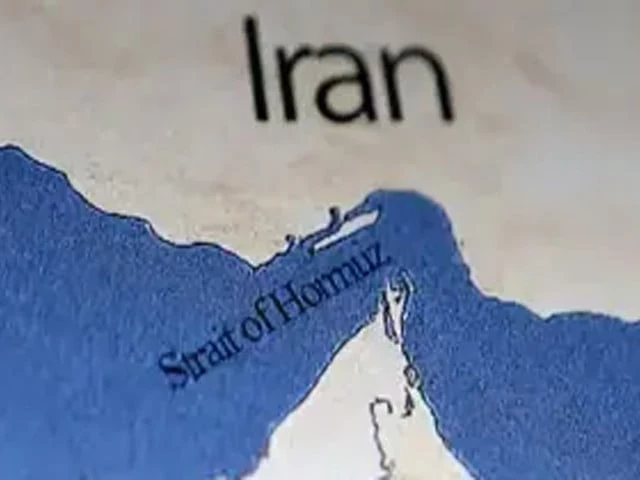
Iranian Deputy Foreign Minister Kazem Gharibabadi told state media on Tuesday that the United States must honor its commitments as a precondition for reopening the Strait of Hormuz.
Moreover, the official reiterated Tehran's previous position demanding an end to the war on all fronts and the lifting of the US naval blockade as additional conditions to normalize the situation in the vital waterway. Gharibabadi dismissed US President Donald Trump's claim of removing all mines from the Strait as "nothing more than a propaganda lie," warning that US minesweepers would be "very good targets" if they entered the region.
Speaking about negotiations with Oman, the official explained the temporary Hormuz route will allow ships to enter through Iranian and exit through Omani territorial waters, but added that both countries should hold additional negotiations within 30 to 60 days to reach a permanent settlement to replace the temporary arrangement.
Iran denounced expanded US sanctions aimed at isolating its economy as an act of "gross lawlessness", expressing confidence that many countries wouldnot join the pressure campaign.
Almost six months into a conflict the US has struggled to resolve, Treasury Secretary Scott Bessent unveiled the measures on Monday but stopped short of the most punishing options.
While he said countries that continued trading with Iran risked being forced out of the dollar-based financial system, he declined to ?give a timeline or identify which may be targeted, saying he would give them time to comply with the new directive.
There have been signals of a potential return to mediation to end the war, which began with US and Israeli strikes on Iran and has shut down most shipping in the Strait of Hormuz, previously a conduit for about a fifth of global oil and liquefied natural gas shipments.
Iran and Oman said they had discussed a proposal on Tuesday for a "joint temporary navigational corridor" through the strait and a plan to clear the strait of mines.
US President Donald Trump repeated earlier assertions that all mines in the strait had been removed or detonated, adding that Iran had been told that any ship or boat placing new mines would be destroyed.
Iran's Foreign Ministry described the latest US sanctions as a threat to international law and the UN charter, saying in a statement that "the issue is no longer limited to Iran".
"No honorable state that values its sovereignty and national interests will accept the normalization of such gross lawlessness and systematic bullying," it said.
The Treasury Department announced new sanctions on 60 individuals, entities and vessels, but the list did not feature any of the Chinese financial institutions suspected of facilitating Iran's oil trade.
China has been the biggest buyer of Iranian oil for several years. However, the US blockade of Iran's ports has cut those oil flows to China since Washington resumed it in mid-July.
Trump has said he expects to host Chinese President Xi Jinping next month, and the US is keen to avoid any curbs on China's exports of critical minerals.
China said on Tuesday that its cooperation with Iran was conducted within the framework of international law and should not be interfered with.
Iranian Economy Minister Ali Madanizadeh said neither China nor Russia had "accepted" the US measures, predicting that other countries would resist them. There have been no major US or Iranian strikes for weeks, but a spokesperson for Iran's Revolutionary Guards vowed heavy blows to US interests and energy chokepoints if Iran's infrastructure is threatened.












This material may not be published, broadcast, rewritten, redistributed or derived from. Unless otherwise stated, all content is copyrighted © 2026 The Express Tribune.






COMMENTS
Comments are moderated and generally will be posted if they are on-topic and not abusive.
For more information, please see our Comments FAQ