Trump says Russia and Ukraine reach energy ceasefire 'effective immediately'
Updated 2 hours ago

Rising mercury takes tick and mosquito-borne diseases to new regions
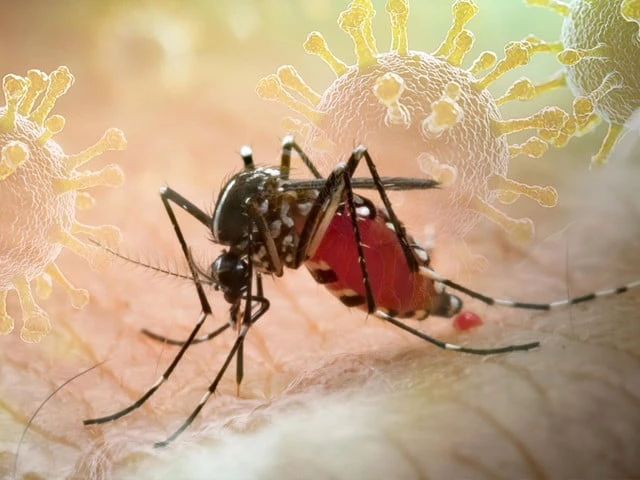
Global warming is expanding the geographical spread of tick-borne encephalitis (TBE) and chikungunya, with warmer temperatures and milder winters helping disease-carrying ticks and mosquitoes move into new regions, the chief executive of vaccine maker Bavarian Nordic said on Friday.
Paul Chaplin said Germany was among the countries already experiencing the impact, with the number of regions considered at risk of TBE increasing year after year. “The number of regions in Germany that are now considered to be at risk of TBE increases year after year,” Chaplin told Reuters.
Chaplin noted that the disease was moving north from its traditional stronghold in southern Germany. He added TBE was also increasing in Scandinavia as warmer temperatures and milder winters allowed tick populations to grow and expand their range.
Germany reported 693 TBE cases last year, the third-highest annual figure since data collection began in 2001, according to the Robert Koch Institute. Chaplin said chikungunya, a mosquito-borne disease typically found in Asia and South America, was also moving into Europe and the United States.
Mosquitoes capable of transmitting the virus are already present in Europe, meaning imported cases can trigger local outbreaks, he said, pointing to previous outbreaks in Italy and France. France has reported locally acquired chikungunya cases this year.
According to the European Centre for Disease Prevention and Control (ECDC) ambient temperature is among the most important environmental factors influencing the transmission of chikungunya.











This material may not be published, broadcast, rewritten, redistributed or derived from. Unless otherwise stated, all content is copyrighted © 2026 The Express Tribune.









1727268465-0/Untitled-design-(42)1727268465-0-208x130.webp "the poor man s burden")


COMMENTS
Comments are moderated and generally will be posted if they are on-topic and not abusive.
For more information, please see our Comments FAQ