2 servicemen martyred as forces kill 7 terrorists
Updated 11 minutes ago

Petrol now costs Rs337.78 while HSD costs Rs364.70
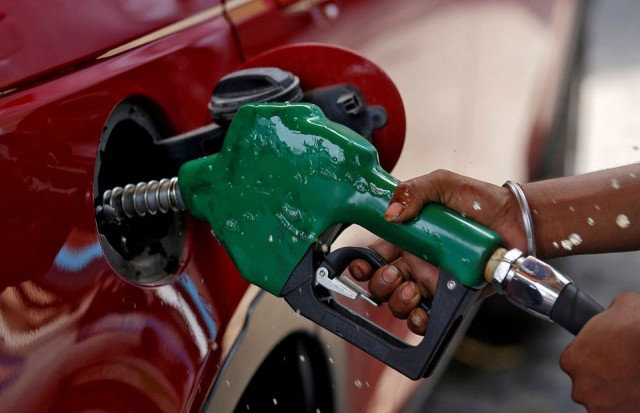
The federal government on Thursday increased the price of petrol and high-speed diesel (HSD) by 27 paisas and Rs1.64, respectively, for August 21.
A notification from the Petroleum Division said the petrol price was now fixed at Rs337.78 while HSD would cost Rs364.70 per litre.
The latest revision comes a day after the government decreased the price of HSD by Rs32.63 while increasing the price of petrol by Rs2.97 per litre for August 20.
Read: Govt cuts diesel price by Rs32.63, raises petrol by Rs2.97 for Aug 20
Last month, the government announced a new pricing mechanism under which petroleum product prices would be reviewed and notified on a daily basis, replacing the weekly pricing mechanism, as renewed tensions between the United States and Iran continued to drive volatility in global oil markets and raise concerns over fuel supplies.
Since then, petroleum prices have continued to rise, with diesel prices increasing by Rs72 per litre and petrol prices by at least Rs24 per litre.
On August 19, Petroleum Minister Ali Pervez Malik said refineries had accepted the government’s request for a significant reduction in diesel prices and that the Oil and Gas Regulatory Authority (Ogra) would announce a cut of around Rs30-32 per litre after completing its calculations.
“The refineries have accepted the government’s request and decided to make a significant reduction in diesel prices. You will see a significant reduction of Rs30-32 within the next few moments, which OGRA will announce after completing its calculations,” said Malik while addressing a press conference alongside Information Minister Attaullah Tarar.
ڈیزل کی قیمت میں 30 سے 32 روپے کمی کا امکان ہے، علی پرویز ملک#DieselPrice #FuelPrices #EnergyUpdate #AliPervaizMalik pic.twitter.com/XshkAfIW8J
— APP (@appcsocialmedia) August 19, 2026
“Despite being under the IMF programme, the government has used more than Rs100 billion to shield the people from these difficulties. Consultations were held with the provincial governments and, in addition, you have seen the rollout of targeted subsidies,” he said, referring to the measures taken by the government since the beginning of the war in the Middle East.
According to the Pakistan Economic Survey 2024-25, petroleum products constitute one of the country's largest import categories, making the economy highly vulnerable to changes in global crude oil prices. Domestic refineries satisfy only part of national demand, while the remainder is met through imports of crude oil and refined petroleum products. Consequently, every increase in international oil prices raises Pakistan's import bill, pressures foreign exchange reserves, and contributes to inflation.
Pakistan previously exercised significant government control over petroleum pricing through subsidies and administrative interventions. While these measures temporarily protected consumers, they imposed substantial fiscal costs. During periods of elevated global oil prices, successive governments delayed passing price increases to consumers, creating financial pressures for oil marketing companies, refineries, and the national budget. Large fuel subsidies widened fiscal deficits, increased public borrowing, and weakened macroeconomic stability.
Global geopolitical developments continue to pose significant risks. International oil prices are influenced by decisions taken by OPEC+, conflicts in the Middle East, sanctions on oil-producing nations, and disruptions in critical shipping routes such as the Strait of Hormuz and the Red Sea. Any interruption in these supply chains can immediately increase crude oil prices and freight costs. Since Pakistan imports the majority of its petroleum requirements, these developments quickly translate into higher domestic fuel prices.
Oil prices on Thursday rose to more than a three-week high after US President Donald Trump warned of retaliation against nations supporting Iran, his latest attempt to resolve a war that has stranded millions of barrels of Middle Eastern oil.
Brent crude futures were up $2.20, or 2.4%, to $93.82 a barrel at 11:36 am EDT, while US West Texas Intermediate crude futures for September rose $2.33 to $88.16 a barrel.
"Tensions in the Middle East remain high, leaving room for further supply disruptions," said Giovanni Staunovo, an analyst with UBS. "Lower oil exports from the Middle East are once again tightening the oil market."









This material may not be published, broadcast, rewritten, redistributed or derived from. Unless otherwise stated, all content is copyrighted © 2026 The Express Tribune.











1727268465-0/Untitled-design-(42)1727268465-0-208x130.webp "the reverse renaissance")

COMMENTS
Comments are moderated and generally will be posted if they are on-topic and not abusive.
For more information, please see our Comments FAQ