Man steals Rs115m from pan shop
Updated 4 hours ago

Below-normal monsoon rains add to soil degradation crisis, with experts calling for urgent policy action
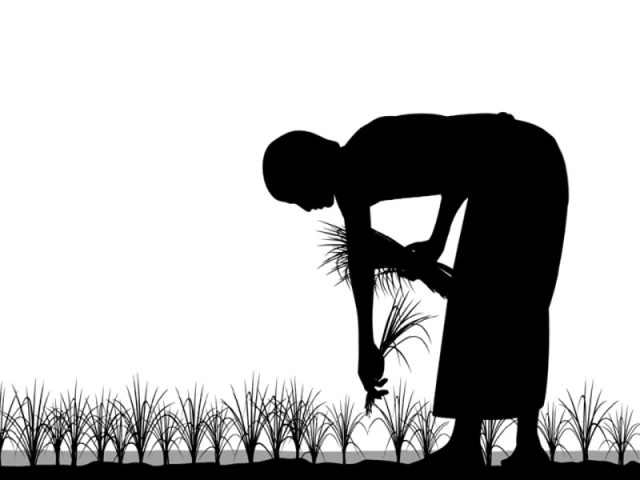
Sindh's agricultural future is facing a deepening soil crisis, with around 62 per cent of the province's land already barren or marginally cultivable and about 61 per cent of its soil affected by salinity, waterlogging and other forms of degradation, experts warned at a seminar in Hyderabad on Tuesday.
The warning came as Sindh received less than 61 per cent of its average rainfall during the outgoing monsoon season, adding to mounting pressures on agriculture, soil health and water availability. Academic experts called for urgent policy-level measures to halt the decline in soil quality and the resulting drop in agricultural yields.
The Sindh Zarai Science Society (SZSS) organised the seminar, titled "From Soil to Society," at Sindh Agriculture University (SAU), Tandojam.
SAU Vice Chancellor Prof Dr Altaf Siyal expressed concern over what he described as the province's rapid shift from a fertile to an arid state because of water shortages, climate change and a lack of adherence to advanced farming techniques. He said below-normal rainfall this year had created serious challenges for agriculture, soil health and water availability.
"Soil health and biodiversity shouldn't be viewed solely through the lens of agriculture," he said, stressing that they should instead be recognised for their wider economic significance and contribution to GDP.
Siyal called for PhD research on water and agriculture to be translated into local languages so farmers could benefit from scientific knowledge. He also advised growers to equip themselves with modern technologies, timely information and digital tools.
Director of the Soil Fertility Institute Prof Dr Hafeezullah Babar highlighted the deteriorating condition of Sindh's land, saying approximately 62 per cent of the province's land had become barren or marginally cultivable, while around 61 per cent of its soil was affected by salinity, waterlogging and other forms of degradation.
Citing World Bank estimates, he said the degradation of natural resources was costing Sindh the equivalent of four to six per cent of its GDP every year.
Babar said promoting local production of microbial biofertilisers, biopesticides and organic fertilisers could help rebuild a strong green economy while reducing dependence on environmentally harmful agricultural inputs.
He urged the government to launch a National Soil Biodiversity Mission and establish a National Soil Microbiome Atlas to document and protect the country's largely unexplored soil biodiversity.
He also proposed establishing "Living Soil Laboratories" and called on policymakers to make soil health a core component of national strategies for achieving the United Nations Sustainable Development Goals (SDGs).














This material may not be published, broadcast, rewritten, redistributed or derived from. Unless otherwise stated, all content is copyrighted © 2026 The Express Tribune.










COMMENTS (1)
Comments are moderated and generally will be posted if they are on-topic and not abusive.
For more information, please see our Comments FAQ