Unnecessary rules being removed
Updated 45 minutes ago

Policy predictability key for buyers, investors as govt reviews auto policy
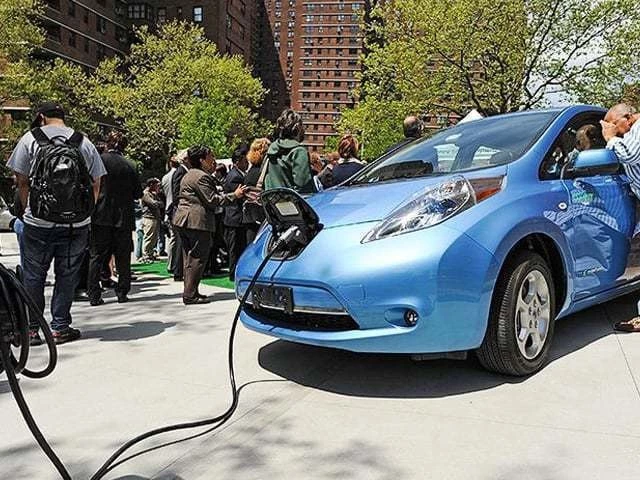
As Pakistan looks to accelerate its transition towards cleaner transport, industry stakeholders and policy experts are calling for continuity and predictability in the country's automotive policy, warning that prolonged uncertainty could weaken consumer confidence and slow investment as the automobile market begins to recover.
Policy experts familiar with the sector say continuity is particularly important as the government considers the next phase of its automobile policy. They argue that the new auto-policy framework should be aligned with the NEV Policy 2025-30 to avoid conflicting objectives, incentives or timelines.
Danish Khaliq, Vice President Sales and Strategy at BYD, said certainty was particularly important for consumers making a major financial decision such as buying a car.
"Purchasing a vehicle is one of the most significant financial decisions a person makes, and buyers need certainty to make that decision with confidence. Over the past three years, Pakistan's automotive industry has worked hard to restore market trust, and the results are clearly visible today. Much of this momentum has been driven by the introduction of electric vehicles and overall NEVs, which deliver exceptional value through advanced technology, substantial fuel savings, and premium quality," Khaliq said.
"However, prolonged uncertainty around the auto policy risks slowing this momentum by causing consumers to postpone their purchase decisions. A clear, consistent, and forward-looking policy framework gives consumers the confidence to invest in cleaner mobility, supports sustainable industry growth, and accelerates Pakistan's transition towards a more affordable and energy-efficient mobility solution," he added.
Policy experts say predictability is equally important for investors, particularly those considering local assembly or manufacturing, where investments can take several years to mature. They say that while policies inevitably need to evolve with changing market conditions and technologies, incentives for local manufacturing should provide investors with sufficient long-term visibility. Where changes are necessary, they should be based on an assessment of their likely impact on existing and prospective investments rather than abrupt shifts in direction. The call for policy predictability comes as the government reconsiders the direction of its automobile policy.













This material may not be published, broadcast, rewritten, redistributed or derived from. Unless otherwise stated, all content is copyrighted © 2026 The Express Tribune.






COMMENTS
Comments are moderated and generally will be posted if they are on-topic and not abusive.
For more information, please see our Comments FAQ