Trump says Russia and Ukraine reach energy ceasefire 'effective immediately'
Updated 3 hours ago

Brent crude fell nearly 5% to $79.82 a barrel after earlier climbing to a session high of $86.33
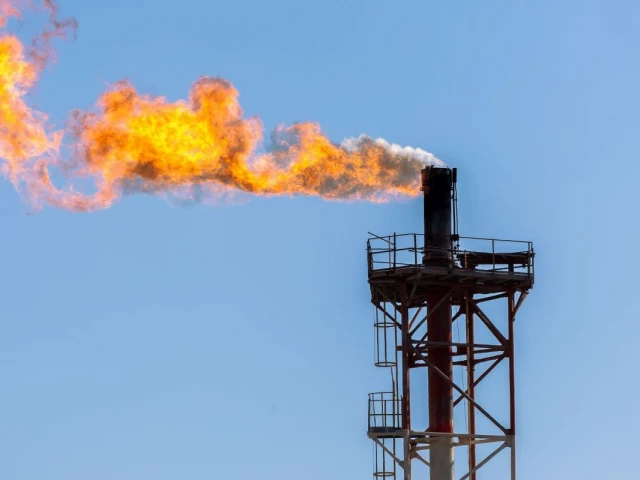
Oil prices fell as low as 5% on Tuesday to a three-week low after comments by Qatar and US Treasury Secretary Scott Bessent raised hopes for a diplomatic resolution to the Middle East conflict, which would improve oil flows through the Strait of Hormuz.
Front-month Brent futures fell $3.95, or 4.72%, to $79.82 a barrel by 1340 GMT after hitting a session high of $86.33. Prices fell to as low as $79.73 a barrel at one point, or down around 5%.
US West Texas Intermediate (WTI) crude was down $4.32, or 5.38%, at $76.02 a barrel after touching a session high of $82.33.
Both contracts fell to their lowest levels since July 13.
Earlier on Tuesday, both benchmarks had risen more than 2% on uncertainty over prospects for a US -Iran agreement.
"Oil prices are pairing earlier gains on comments from Qatari officials saying a potential US-Iran resolution has been drafted," said Giovanni Staunovo, a UBS analyst.
Qatar Foreign Ministry spokesperson Majed Al Ansari said efforts to secure a diplomatic resolution to the conflict were continuing, with mediators, including Qatar, Pakistan and Oman, coordinating closely to facilitate negotiations and exchange draft proposals between the two sides.
US Treasury Secretary Bessent said on Tuesday a deal with Iran to reopen the Strait of Hormuz could come as soon as Tuesday or Wednesday.
Bessent told CNBC he had seen "quite a few" ships exiting the Strait of Hormuz.
"While production in the Middle East has recovered from the lows, it remains below pre-conflict levels, keeping the oil market undersupplied," Staunovo said.
Read More: Rubio says US-Iran strait talks progress, deal could come 'very shortly'
Gulf shipping traffic little changed
The Hormuz dispute is a central sticking point in talks.
Before the conflict began in late February, the Strait of Hormuz handled about one-fifth of global daily oil and liquefied natural gas supplies.
Oil prices rose earlier in the day after incidents in the strait and after a senior Iranian source told Reuters on Tuesday that Iran wants control over inbound shipping through the Strait of Hormuz and visibility over outbound traffic, with the ability to intervene if necessary, under a plan being discussed with Oman to reopen the strategic waterway.
"Gulf exports remained under pressure, with Strait of Hormuz transits only marginally improving from extremely depressed levels. The export disruption story is intact, with Iranian attacks on vessels constraining flows," ANZ analysts said.
Shipping traffic at the key Gulf waterways of Bab el-Mandeb and the Strait of Hormuz held largely unchanged at the start of the week.
Hormuz remains dangerous for vessels. On Tuesday, the UK Maritime Trade Operations agency flagged an incident 20 nautical miles northeast of Oman's Al Khasab, after a cargo vessel broadcast that it had been hit by an unknown projectile.
In the Red Sea, six Saudi-flagged supertankers changed course in the Gulf of Aden recently for southern Africa, while two tankers laden with Saudi oil crossed the Bab el-Mandeb Strait, shipping data showed on Monday.
Goldman Sachs expects Brent to remain in an $80-$90 a barrel range until there is either confirmation of a new US-Iran agreement or a significant escalation in attacks and targets.















This material may not be published, broadcast, rewritten, redistributed or derived from. Unless otherwise stated, all content is copyrighted © 2026 The Express Tribune.



1727268465-0/Untitled-design-(42)1727268465-0-208x130.webp "the poor man s burden")


COMMENTS (1)
Comments are moderated and generally will be posted if they are on-topic and not abusive.
For more information, please see our Comments FAQ