PR freight services extended in K-P, Balochistan
Updated 3 hours ago

Limited budgets, rising cases, and drug shortages raise concerns over the future of cancer and HIV care in the provinc
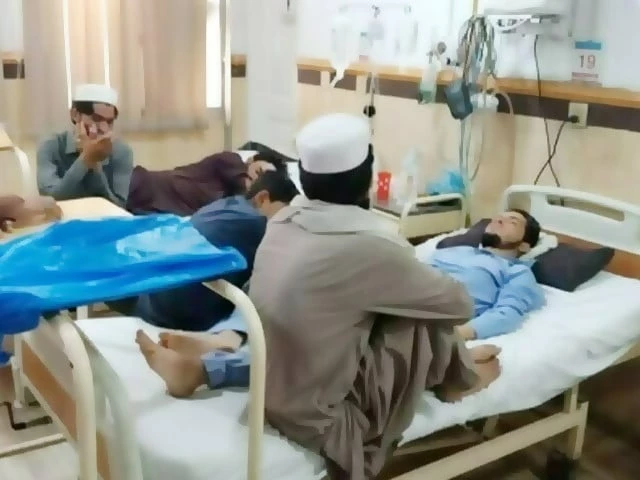
Despite repeated claims of prioritising healthcare, the Khyber-Pakhtunkhwa (K-P) government's limited funding for life-threatening diseases such as cancer and HIV in the 2026-27 budget has raised concerns among patients and healthcare professionals.
The provincial government has allocated only Rs200 million for cancer treatment; an amount health experts describe as insufficient for patients requiring expensive and long-term care. Officials said the allocation is expected to affect around 1,500 patients currently receiving treatment under the government's free cancer programme.
According to the K-P Health Department, specialised cancer diagnosis and treatment facilities are available at Hayatabad Medical Complex (HMC) and Khyber Teaching Hospital (KTH) in Peshawar, as well as Ayub Teaching Hospital (ATH) in Abbottabad. However, Health Department sources confirmed that free cancer medicines have been unavailable for the past six months, leaving all three centres facing shortages of essential drugs.
The sources added that the chief minister had previously promised to increase funding for cancer patients, but no increase has yet been announced.
Dr Abid Jameel, a cancer specialist who previously headed the province's free cancer treatment programme, criticised the Rs200 million allocation, calling it inadequate for patients suffering from a life-threatening disease.
"The allocation is unfair to cancer patients and their families. This amount cannot sustain the programme even for three months. More than 10,000 cancer patients are currently living in the province, with blood cancer, cervical cancer, and breast cancer among the most common types. Blood cancers account for around 35 to 40 per cent of reported cases, while cervical and breast cancers also represent a significant share," said Dr Jameel.
Dr Jameel added that a single hospital visit, including consultation and medicines, can cost more than Rs100,000, making treatment unaffordable for many low-income families. "Government procurement of medicines through the cancer project could reduce costs and ease the financial burden on patients."
Meanwhile, HIV also remains a growing public health challenge in K-P, with healthcare providers calling for increased funding and expanded facilities.
Official data from the HIV programme shows that 8,567 people are currently registered with HIV across the province. Peshawar has the highest number of registered patients at 2,005, followed by Bannu with 961, Mardan 545, Charsadda 425, Lower Dir 386, Nowshera 331, Kohat 314, Mansehra 296, Dera Ismail Khan 271, and Malakand 160.
The merged tribal districts account for 1,602 registered HIV patients. North Waziristan has 408 cases, Khyber district 339, Kurram 261, Bajaur 249, South Waziristan 176, Mohmand 95, and Orakzai 74. The province currently operates 13 HIV diagnosis and treatment centres.
Shawana Shah, who works with Da Hawwa Lur on HIV policy reforms, said the rising number of cases requires a major expansion of healthcare facilities.
"HIV cases are increasing in the province, but only 13 treatment centres serve thousands of patients. The centres, particularly in Peshawar, remain overcrowded," she told The Express Tribune.
She urged the government to establish HIV treatment centres at the tehsil level and increase financial support for the programme to improve access to diagnosis and treatment.
Dr Tariq Hayat, Project Director of the Integrated HIV Programme, said Rs500 million had been allocated for the HIV programme under the PC-I development plan, while efforts were underway to secure additional funding.
"We are trying to double the allocation in the next financial year. HIV medicines are imported, making the programme dependent on the Global Fund and other development partners," he said.
Dr Hayat added that continued financial and technical support from donors remains essential to sustain and expand HIV treatment services in the province.









This material may not be published, broadcast, rewritten, redistributed or derived from. Unless otherwise stated, all content is copyrighted © 2026 The Express Tribune.



COMMENTS
Comments are moderated and generally will be posted if they are on-topic and not abusive.
For more information, please see our Comments FAQ