No party meetings as Zardari leaves Lahore
Updated 1 hour ago

City's favourite morning feast poses health risks during intense heat
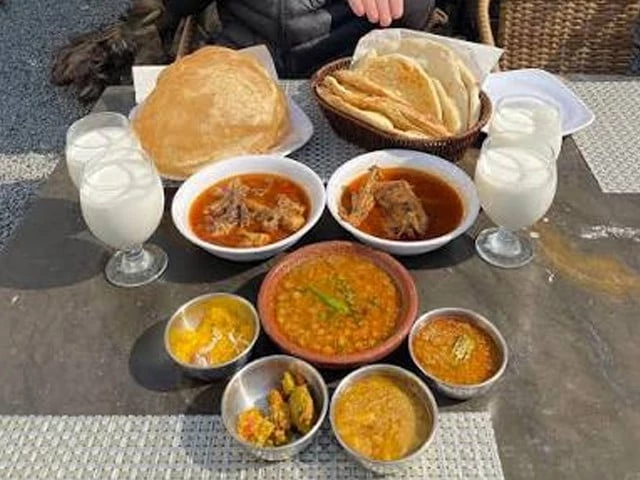
The love affair of Lahore with food is legendary, and nowhere is it more evident than on Sunday mornings when the city's iconic breakfast spots come alive.
From Lakshmi Chowk and Gawalmandi to Anarkali and Model Town, sizzling cauldrons of ghee, freshly baked naan, aromatic bong paye and chilled sweet lassi draw crowds of food lovers eager to indulge in traditional Lahori flavours.
However, as scorching temperatures and humid weather grip the city during May, June and July, health experts warn that these rich, heavy breakfasts can pose serious health risks, particularly during extreme summer conditions.
Despite the intense heat, many Lahoris remain devoted to their traditional breakfast routine.
"I can't imagine a Sunday without paye and naan, even if I suffer from heartburn for the rest of the day," said Kamran Ali while enjoying breakfast at a popular roadside eatery.
Another resident, Muhammad Usman, who was packing halwa puri for his family, admitted that his child had suffered an upset stomach after eating the same breakfast the previous weekend.
"The aroma always brings us back," he said.
College student Ayesha Siddiqua described traditional breakfast as an integral part of Lahore's identity but acknowledged that fried food leaves people feeling sluggish during the hot weather.
"After eating halwa puri and drinking lassi, you barely have the energy to do anything," she remarked.
Elderly resident Haji Salamat expressed concern over declining food quality, saying, "The spices are no longer pure and hygiene standards have deteriorated. Eating outside during summer is inviting illness."
Zainab Bibi highlighted poor cleanliness at several roadside eateries, complaining about flies and inadequate sanitation, while banker Ahmed Nawaz admitted that Lahoris often "follow their hearts instead of their heads" when it comes to food, even in temperatures exceeding 45 degrees Celsius.
Restaurant owners, however, say they are simply responding to customer demand.
Mian Aslam, who runs a popular halwa puri and chickpea breakfast shop in Old Anarkali, said business remains strong regardless of the season.
"Our livelihood depends on these breakfasts. We try to reduce the amount of spices during summer, but customers insist on richer gravy and crispier chickpeas," he said.
Similarly, Chaudhry Ramzan, owner of a well-known bong paye restaurant in Gawalmandi, said the hot weather increases the risk of meat spoilage, requiring strict refrigeration measures.
"We have to be extremely careful with food storage in summer, but customers continue to enjoy paye and never leave without a cup of hot tea," he added.
Medical professionals, however, caution that the combination of extreme heat and heavy breakfasts is placing increasing pressure on hospitals.
A senior doctor at Services Hospital said emergency departments witness a significant rise in gastrointestinal illnesses during the summer months.
"Every Sunday afternoon and Monday morning, we observe a 60 to 70 per cent increase in cases of gastroenteritis, food poisoning, severe acidity and stomach cramps. Most patients report having eaten heavy traditional breakfasts outside," he said.
According to him, the human body is already under stress during hot weather as it works to regulate temperature through sweating.














This material may not be published, broadcast, rewritten, redistributed or derived from. Unless otherwise stated, all content is copyrighted © 2026 The Express Tribune.








COMMENTS (1)
Comments are moderated and generally will be posted if they are on-topic and not abusive.
For more information, please see our Comments FAQ