Mir Raza murder: SHC forms judicial commission as family seeks JIT to probe case
Updated 1 hour ago

Pakistan urges restraint
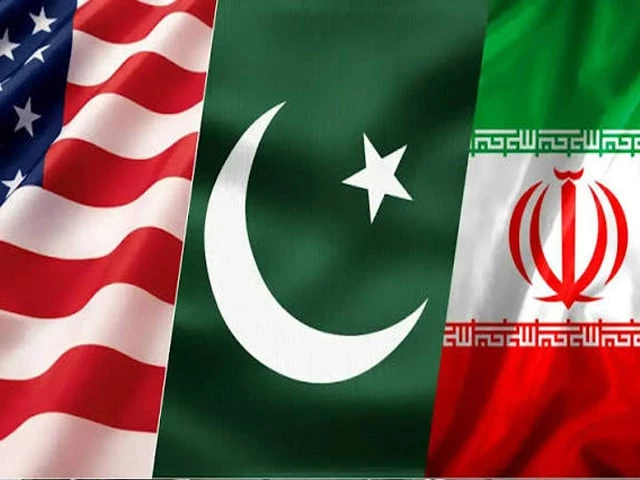
Pakistan on Wednesday voiced deep concern over the rapidly deteriorating security situation in the Middle East, urging all parties to exercise maximum restraint and honour their commitments under the Islamabad Memorandum of Understanding (MoU), as fears mounted that the fragile US-Iran ceasefire had effectively collapsed following a fresh wave of military escalation.
In a statement, the Foreign Office warned that a renewed conflict would have serious consequences for regional peace and stability and stressed that diplomacy remained the only viable path forward.
"Pakistan expresses its deep concern at the escalation in tensions in the region. A renewed conflict is in no one's interest," the Foreign Office said.
Calling on all sides to avoid further escalation, the ministry urged them to "exercise restraint and refrain from any actions that may further undermine regional peace and stability."
"There is no alternative to continued engagement, dialogue and diplomacy to achieve the shared goal of peace in the region," the statement added.
The Foreign Office also underlined the importance of preserving the Islamabad Memorandum of Understanding, describing it as "an enduring foundation for understanding, mutual respect and shared prosperity for the region and beyond."
It reaffirmed Pakistan's readiness to continue facilitating diplomatic efforts aimed at preventing the conflict from spiraling further.
The statement came hours after a dramatic escalation in tensions that threatened to unravel weeks of painstaking diplomacy led by Pakistan.
Under the MoU, both sides committed themselves to avoiding military escalation while technical working groups were tasked with negotiating more contentious issues, including Iran's nuclear programme, sanctions relief and security arrangements in the Gulf.
However, officials familiar with the negotiations have acknowledged that implementation remained difficult because several key issues were intentionally deferred to follow-up talks. Those unresolved questions have now resurfaced amid renewed military confrontation.
The Foreign Office's latest appeal reflects Islamabad's concern that the collapse of the MoU could trigger another full-scale regional conflict with significant consequences for global energy markets and maritime trade.
Pakistan has consistently argued that military solutions cannot address the underlying disputes between Washington and Tehran and has repeatedly called for dialogue even during periods of heightened confrontation. Senior Pakistani officials, including Deputy Prime Minister and
Foreign Minister Ishaq Dar, had in recent weeks urged both countries to preserve the ceasefire and continue negotiations despite repeated violations and mutual accusations.
Diplomatic observers believe Pakistan's renewed intervention is aimed at preventing the complete breakdown of the understandings painstakingly negotiated over the past several months.











This material may not be published, broadcast, rewritten, redistributed or derived from. Unless otherwise stated, all content is copyrighted © 2026 The Express Tribune.






COMMENTS
Comments are moderated and generally will be posted if they are on-topic and not abusive.
For more information, please see our Comments FAQ