Gold extends rally, adds another Rs5,100
Updated 22 hours ago

Solar, waste-to-energy projects power FY27 agenda
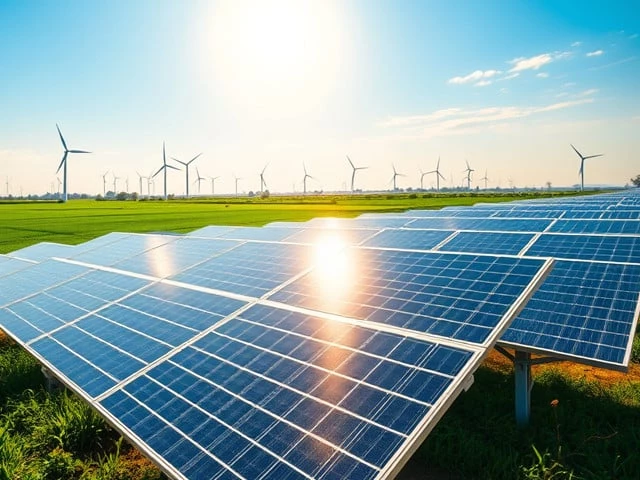
The government of Sindh's budget for fiscal year 2026-27 has placed notable emphasis on renewable and alternative energy initiatives within a tightly managed fiscal framework.
As outlined in the Sindh CM budget speech, the province is advancing solar deployment and waste-to-energy projects to improve access and support sustainability goals, even as the overall Annual Development Plan (ADP) contracts to Rs720.385 billion from Rs1,018 billion in the previous year.
Central to the renewable push are allocations for Solar Home Systems under special initiatives. The ADP earmarks Rs1.78 billion for off-grid systems and Rs1.89 billion for on-grid systems targeted at poor families, totaling Rs3.67 billion. These schemes aim to expand electricity access in rural and underserved areas, reduce dependence on traditional sources, and align with broader "Green Energy Initiatives" highlighted among development priorities.
The measures build on the province's climate-responsive budgeting exercise. In FY 2025-26, climate-tagged allocations reached Rs140 billion, equivalent to about 6% of current revenue expenditures. Going forward, the development outlay will also be incorporated into this tagging process. Solar programmes are expected to create opportunities for local supply chains, installation services, and integration with national net-metering frameworks.
In the alternative energy space, the Sindh Enterprise Development Fund (SEDF) continues to support projects such as the Biowaste Energy Ventures Ltd's biomethane initiative in Gadap Town, Karachi. This project has the potential to generate up to 5 megawatts from organic waste, demonstrating a practical application of circular economy principles. The White Paper also references plans for green energy parks that combine renewable generation, battery storage, and digital infrastructure, alongside efforts to develop carbon sinks for potential credit generation and promotion of EV charging facilities.
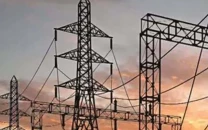
These renewable and alternative energy steps form part of a wider strategy that includes climate-resilient infrastructure and carbon credit-oriented projects. While the ADP maintains a "no new schemes" policy except for carry-forwards, the existing green-focused interventions receive attention to ensure completion and delivery of benefits. Beyond renewables, the budget addresses conventional energy needs through significant infrastructure support. The largest single ADP allocation is Rs10 billion for Thar Coal Rail Connectivity, including last-mile links to Port Qasim. This is complemented by a Rs600 million scheme for improvements in the Farash Complex irrigation network to ensure water availability and safety for the Thar Coal Carrier Channel. The investments are designed to enhance logistics efficiency for coal supply to power generation facilities, reflecting the role of indigenous lignite resources in maintaining base-load capacity.
On the industrial side, the budget includes rationalisation of the Infrastructure Development Cess, with the target lowered from Rs200 billion to Rs140 billion. The adjustment is intended to improve competitiveness for energy-intensive sectors and generate positive effects for the industry. Current revenue expenditure provisions under categories that include energy are budgeted at Rs868.356 billion for FY 2026-27.
The current capital expenditure is maintained at Rs281.67 billion, which incorporates the Viability Gap Fund to support public-private partnerships in infrastructure, potentially extending to energy-related areas. The overall approach seeks to balance fiscal prudence with priority-sector needs.
The Medium-Term Fiscal Framework (MTFF) projects total revenues growing at an average annual rate of 11.3% through FY 2028-29, compared to expenditure growth of 7.6%. Federal transfers remain the dominant revenue source, while provincial own-source efforts, including those by the Sindh Revenue Board, are expected to contribute an additional fiscal space. An operating deficit persists, but the trajectory supports continued focus on development priorities.







This material may not be published, broadcast, rewritten, redistributed or derived from. Unless otherwise stated, all content is copyrighted © 2026 The Express Tribune.





1727268465-0/Untitled-design-(42)1727268465-0-208x130.webp "delightful dystopia and orwell in pakistan")


COMMENTS
Comments are moderated and generally will be posted if they are on-topic and not abusive.
For more information, please see our Comments FAQ