UN urges support for Afghan women
Updated 8 hours ago

Call came after the Israeli army reported a drone attack from Lebanon targeting military positions in northern Israel
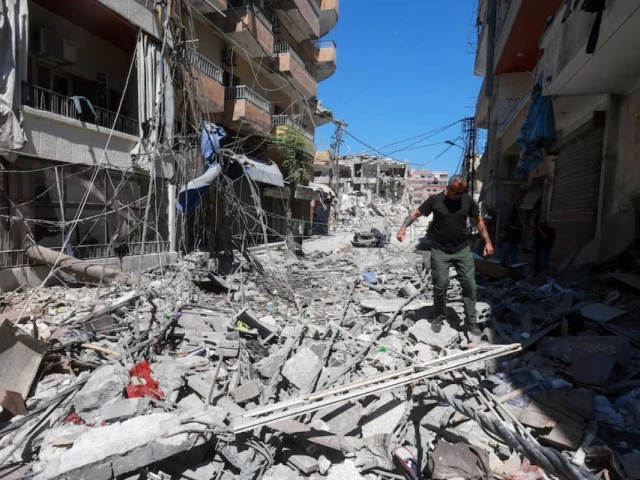
Two Israeli cabinet ministers called Sunday for resuming airstrikes on the southern suburbs of the Lebanese capital of Beirut despite an ongoing ceasefire.
National Security Minister Itamar Ben-Gvir said Israel should “fire for every violation” by Hezbollah and for every drone launched by the Lebanese group.
“Dahiyeh must tremble,” he said on US social media company X, referring to Beirut’s southern suburbs.
אדרוש ואבהיר שוב את עמדתי היום בדיון עם ראש הממשלה:
— איתמר בן גביר (@itamarbengvir) June 14, 2026
על כל רחפן - טיל.
על כל הפרה - אש.
על כל כטב”ם - הדאחייה צריכה לרעוד.
על כל שערה מראשו של חייל צה”ל - אלף מחבלי חיזבאללה.
מול הטרור לא מכילים, מכריעים!
Finance Minister Bezalel Smotrich also demanded Prime Minister Benjamin Netanyahu "take down buildings in Dahiyeh today.”
“The fire toward the northern settlements is a test of the Dahiyeh equation that the Prime Minister announced,” Smotrich said on X.
הירי לעבר ישובי הצפון הוא מבחן למשוואת הדאחיה שראש הממשלה הכריז עליה.
— בצלאל סמוטריץ' (@bezalelsm) June 14, 2026
אני קורא לו לממש אותה בנחישות ובתקיפות ולהוריד עוד היום בניינים בדאחיה.
אנחנו בימים קריטיים של עיצוב המרחב לשנים רבות.
הבטחנו ביטחון לתושבי הצפון ואנחנו חייבים לקיים!
The call by the hardline politicians came after the Israeli army reported a drone attack from Lebanon targeting military positions in northern Israel.
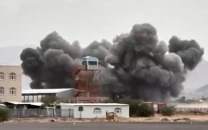
The Israeli army continued its daily airstrikes in Lebanon despite a fragile ceasefire agreement that has been in effect since April 17.
The Israeli attacks have killed more than 3,700 people, wounded nearly 11,500, and displaced over 1.5 million since March 2, according to Lebanese officials.
Read: Lebanon reports strikes on south as Israel issues broad evacuation warnings
Neither Israel nor Hezbollah have respected a ceasefire announced in April, and a conditional truce deal announced this month after a fourth round of direct Lebanese-Israeli negotiations in Washington has also failed to halt the fighting.
Hezbollah has rejected the direct talks and the conditional agreement, which requires it to cease attacks but makes no mention of Israel doing so or withdrawing troops from Lebanon.
Lebanon’s leaders have instead accused Tehran of treating the country as a “bargaining chip”.
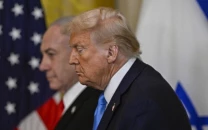
The news comes as the US and Iran gear up to sign a possible memorandum of understanding. US President Donald Trump wrote on his Truth Social platform Saturday that a deal with Iran is scheduled to be signed on Sunday.
Hezbollah lawmaker Ali Fayyad on Saturday urged Lebanon to take advantage of any deal to end the Iran war that includes the country.
Read More: Hezbollah says it confronted Israeli troops advancing in south Lebanon
“We want the Lebanese state to negotiate for itself, and nobody is suggesting forfeiting this role,” Fayyad said, “however, the state must abandon the policy of being crushed in the face of the Israelis and submission to the Americans.”
When the US and Israel launched the war against Iran on February 28, Trump called on Iranians to rise and take over state institutions.
Even as the US and Iran appeared to be moving toward an agreement over the past two days, clashes have continued, as the US military imposes a blockade on Iran and seeks to loosen Iran's chokehold on the Strait of Hormuz, which was the conduit for 20% of the world's oil shipments before the war.
Early on Saturday, US forces shot down multiple Iranian one-way attack drones heading toward the strait, the US military said. Israel, which says it is not a party to the US-Iran deal, said on Saturday that it had struck more than 70 sites over 24 hours in Lebanon against Hezbollah.
Israeli Prime Minister Benjamin Netanyahu has clashed with Trump over US demands that Israel curb military action in Lebanon to allow Washington to reach a deal with Tehran.







This material may not be published, broadcast, rewritten, redistributed or derived from. Unless otherwise stated, all content is copyrighted © 2026 The Express Tribune.






COMMENTS
Comments are moderated and generally will be posted if they are on-topic and not abusive.
For more information, please see our Comments FAQ