Aima Baig reveals debut album 'Guriya' is tribute to late mother
Updated 6 hours ago

Millennials and Gen Z viewers are increasingly skipping suspense altogether, preferring plot summaries over surprise
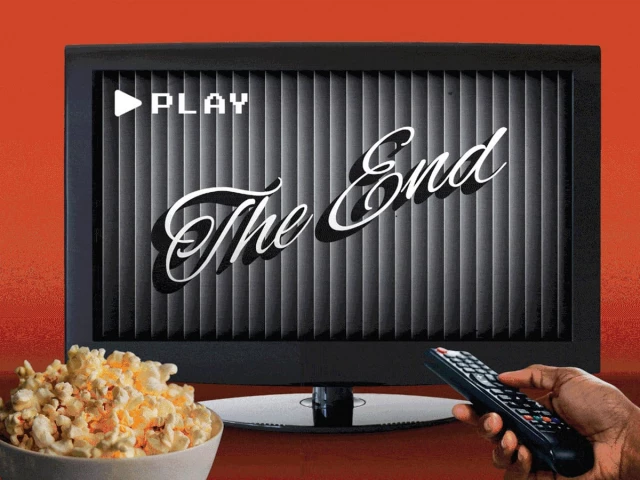
For decades, spoilers were treated like social sabotage. Revealing the ending of a film before someone watched it was enough to spark arguments among friends, trigger angry online posts and earn lifelong distrust in group chats.
But the traditional idea of suspense has changed dramatically in the digital era. Among many millennials and Gen Z viewers, an unexpected shift is now taking place: some people no longer fear spoilers - they actively seek them out.
As reported by Yahoo Entertainment, many younger audiences now consume stories differently, shaped by social media habits, streaming overload and the anxiety of missing out on pop culture conversations.
Today, algorithms often spoil major twists within hours of release. For some viewers, resisting spoilers has become exhausting and, rather than fighting the internet, they simply surrender to it. Others willingly spoil stories for themselves because uncertainty itself feels stressful.
Horror films especially trigger this behaviour. Many viewers now search online to check whether a movie contains graphic violence, emotionally disturbing scenes or tragic endings before deciding whether to watch.
A London-based viewer quoted in the Yahoo Entertainment report admitted she routinely searches whether fictional couples stay together and whether any dogs die before starting a film.
Another viewer said reading a description of violent scenes feels far more manageable than unexpectedly witnessing them on a giant cinema screen. That instinct reflects a broader cultural trend in which audiences increasingly prioritise emotional comfort over surprise.
Spoilers, for these viewers, function less like ruined entertainment and more like preparation. Knowing what lies ahead creates a sense of control in an entertainment landscape that often relies heavily on shock value.
The phenomenon also reveals how impossible modern viewing habits have become. Streaming platforms release an endless flood of films and television series every month, while social media constantly pressures users to stay culturally updated.
Many people simply do not have enough time to watch everything dominating online conversations. Spoilers therefore offer a shortcut into the cultural zeitgeist.
Instead of spending eight hours binge-watching a trending drama, some viewers read plot summaries or watch recap videos simply to keep up with office discussions, memes and social media references. Knowing the ending becomes less important than understanding the conversation surrounding it.
In a digital culture where fandom increasingly unfolds online rather than around the television itself, participating in discussion sometimes matters more than the actual viewing experience. One viewer in the Yahoo Entertainment feature bluntly admitted she mainly spoils television shows so she can understand group chat jokes and reaction GIFs shared by colleagues.
There is also a practical side to spoiler culture. Many viewers now use spoilers as a filtering mechanism before investing time in a series or film. If the ending sounds disappointing, they simply skip it altogether.
Interestingly, spoiler-seekers often insist they still enjoy the stories themselves. For them, knowing the ending does not eliminate emotional engagement. Instead, it changes the focus from "What happens next?" to "How does it happen?"
Some viewers say spoilers actually improve comprehension. One New Zealand viewer explained she reads plot summaries beforehand because she struggles to keep track of characters and storylines.
Critics may consider that sacrilegious behaviour inside a cinema hall, but it reflects how audiences increasingly multitask while consuming entertainment. Watching television while simultaneously scrolling through social media, reading online commentary or texting friends has become normal, especially among younger generations raised in the smartphone era.
The debate around spoilers ultimately raises a larger question about storytelling itself. If a film or television series loses all value once audiences know the ending, was the story truly compelling in the first place? That argument frequently appears among spoiler defenders.
In fact, some psychologists argue spoilers can increase enjoyment because they reduce anxiety and allow viewers to pay closer attention to character development, dialogue and visual details rather than obsessively predicting outcomes.
Still, spoiler culture remains divisive. Traditional viewers continue to see spoilers as ruining one of storytelling's greatest pleasures: surprise. They argue that suspense, tension and emotional shock are central to how stories are designed to function.
Yet the internet has fundamentally changed the relationship between audiences and entertainment. Stories no longer exist in isolation. They live through memes, reaction videos, TikTok edits, fan theories and online debates.
For many younger viewers, participating in that ecosystem matters just as much as quietly watching the story unfold. After all, it is impossible to ruin a surprise for someone who already searched for it first.















This material may not be published, broadcast, rewritten, redistributed or derived from. Unless otherwise stated, all content is copyrighted © 2026 The Express Tribune.






COMMENTS
Comments are moderated and generally will be posted if they are on-topic and not abusive.
For more information, please see our Comments FAQ