Reggie Watts dropped from festivals after drug and abuse allegations
Updated 6 hours ago

Critics accused Rodrigo of embracing 'sexy baby' aesthetic, while some defended her to dress without being sexualised
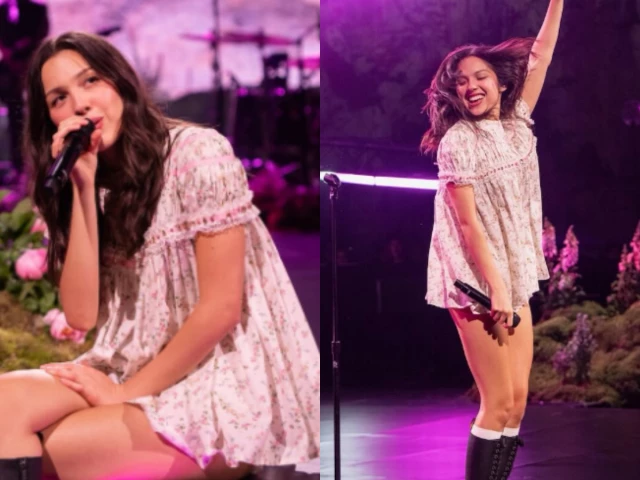
Olivia Rodrigo has spoken out against the online backlash surrounding her recent babydoll dress looks, saying the reaction “shows how we really normalise paedophilia in our culture”.
The singer addressed the controversy during an appearance on The New York Times podcast Popcast, after social media users criticised the floral babydoll dresses she wore in her “Drop Dead” music video and during her Spotify Billions Club performance.
Rodrigo said the criticism left her feeling “so upset”, though not because of personal attacks directed at her. Instead, she explained that she found the wider implications disturbing, particularly the way people sexualised an outfit she viewed as fully covered and non-provocative.
The 23-year-old pointed out that she has previously performed in more revealing stage outfits, including “a sparkly bra and little shorts”, without receiving the same level of outrage. She questioned why a dress perceived as “childlike” suddenly became controversial.
Rodrigo argued that the backlash reflects a culture where girls are often taught to police their clothing choices because of how others may sexualise them. She described that rhetoric as “weird” and harmful, particularly for younger women.
The Grammy winner also clarified that her styling choices were inspired by 1990s alternative music icons including Kathleen Hanna and Courtney Love, both of whom famously incorporated babydoll dresses into punk and grunge fashion. Rodrigo said she wore the outfits because they made her feel “cool and comfortable”, not because she intended to appear provocative.
The debate around Rodrigo’s outfits has sparked wider discussions online about fashion, femininity and the policing of women’s bodies. Some critics accused the singer of embracing a “sexy baby” aesthetic, while supporters defended her right to dress freely without being sexualised.
Rodrigo added that she feels strongly about protecting younger girls from narratives that place responsibility on them for how others perceive their bodies, saying she does not want future generations to grow up internalising that message.




1723448779-0/Kit-Harington-(1)1723448779-0-208x130.webp "story")








This material may not be published, broadcast, rewritten, redistributed or derived from. Unless otherwise stated, all content is copyrighted © 2026 The Express Tribune.






COMMENTS
Comments are moderated and generally will be posted if they are on-topic and not abusive.
For more information, please see our Comments FAQ