
Dog culling ban
Updated 1 hour ago

.

The recent push to establish a strategic oil reserve is a much-needed solution that would have been timely about 20 years ago, when the country was flush with dollars, and several economists had floated the idea. Back then, the country was also dealing with record-high oil prices, but the ruling class decided that it was better to ride out the wave rather than build a buffer to protect the poor. This time around, policymakers have finally listened to the constructive criticism.
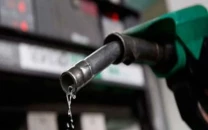
For years, the country has operated with dangerously thin buffers, and market volatility for any reason - such as the ongoing Strait of Hormuz crisis - exposes the whole economy. We currently maintain just 20 to 30 days of fuel cover through commercial stocks, compared to the International Energy Agency's recommended 90 days. We have seen the impact of those thin reserves at the pump, as prices have shot up, and there were legitimate concerns at one point that the country could run out of oil. A well-managed strategic reserve would insulate, though still not immunise, the country against market shocks that can instantly trigger a balance of payments crisis.
Opponents of a reserve will immediately point to Pakistan's strained finances and the IMF's fiscal consolidation targets. But while the upfront cost is significant - about $2 billion just to build up 90 days' worth of storage capacity - the addition of a one-time expense pales in front of the recurring 'crisis cost'. Pakistan's weekly oil import bill rose by $500 million per week after the Iran War began, with a spike of 167% within days of the war starting. That spike would not have happened if energy market planners could hedge on purchasing based on oil reserves.
While some proposals floating around have two-year timelines to build up reserves, it would be better to focus on seeding it sooner, rather than later. Once prices begin to stabilise, one solution would be to use deferred payment deals or similar strategies to begin filling the reserves without facing a large up-front bill. But we cannot ignore energy security. As the past few weeks have shown, high exposure in the sector can derail in days a painful years-long project to get the economy on the right path.



This material may not be published, broadcast, rewritten, redistributed or derived from. Unless otherwise stated, all content is copyrighted © 2026 The Express Tribune.











COMMENTS
Comments are moderated and generally will be posted if they are on-topic and not abusive.
For more information, please see our Comments FAQ