Sharvari Wagh reveals she embraced Mai Vaapas Aaunga character using an antique dresser
Updated 1 hour ago

Late-night television's biggest names reunite as host prepares to bid farewell to 'The Late Show'
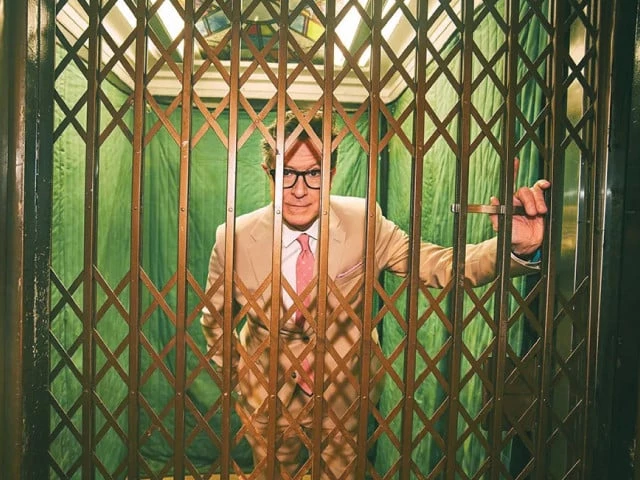
As Stephen Colbert prepares to sign off from 'The Late Show' on May 21, American late-night television is staging something rare in a fiercely competitive industry: a collective farewell.
Rival hosts, former mentors and Hollywood stars are lining up not merely to promote projects, but to mark the end of an era that has shaped network comedy for more than three decades.
CBS confirmed that Colbert's final weeks will feature a parade of high-profile guests, including Jimmy Fallon, Jimmy Kimmel, Seth Meyers and John Oliver, who will reunite on the programme for a special 'Strike Force Five' gathering.
The hosts previously collaborated during the 2023 Hollywood writers' and actors' strikes, launching a podcast to support staff members left without pay during the shutdown.
The farewell schedule also carries symbolic weight. David Letterman, the original face of 'The Late Show', will appear on May 14 in what amounts to a passing-of-the-torch moment revisited one final time.
Letterman handed the franchise to Colbert in 2015 after dominating late-night television for decades following his departure from NBC.
Other guests set to appear before the final broadcast include Tom Hanks, Pedro Pascal, Julia Louis-Dreyfus and John Krasinski, alongside musical performances and comedy segments featuring Barack Obama, The Strokes and several Broadway stars.
Yet behind the celebratory atmosphere lies a deeper controversy surrounding the programme's cancellation. CBS announced in July 2025 that it would end 'The Late Show', describing the move as a financial decision during a period of upheaval across traditional television.
However, critics quickly questioned the timing because parent company Paramount was simultaneously pursuing regulatory approval for its merger with Skydance Media during Donald Trump's presidency.
Colbert, one of President Donald Trump's most relentless television critics, never softened his tone after the cancellation announcement. Instead, he repeatedly mocked both the network and reports claiming the show was losing nearly $40 million annually.
In a recent interview, Colbert joked darkly that the losses came because "we killed people", before turning serious about the uncertain economics facing broadcast television.
"The broadcast model is in huge trouble," Colbert admitted, while insisting late-night comedy had remained profitable for decades before industry conditions shifted dramatically after the pandemic and Hollywood strikes.
Colbert adopted a surprisingly reflective tone about his departure. Speaking candidly about the end of his 20-year late-night career, he said the timing coincides with deeply personal family milestones, including his son's graduation and his brother's wedding. "The universe has conspired to give me the proper perspective," he remarked.
Despite uncertainty surrounding the future of late-night television, Colbert appears unwilling to disappear quietly. He revealed he is already co-writing a new film connected to the 'Lord of the Rings' franchise, describing the project as a lifelong dream.
Still, as the final broadcast approaches, the larger question hanging over Hollywood is not simply what comes next for Colbert, but whether traditional late-night television itself is entering its final act.














This material may not be published, broadcast, rewritten, redistributed or derived from. Unless otherwise stated, all content is copyrighted © 2026 The Express Tribune.






COMMENTS
Comments are moderated and generally will be posted if they are on-topic and not abusive.
For more information, please see our Comments FAQ