7 held in Rs1b FWMC Suthra Punjab scam
Updated 1 hour ago

Untreated waste, groundwater overuse pose environmental risks
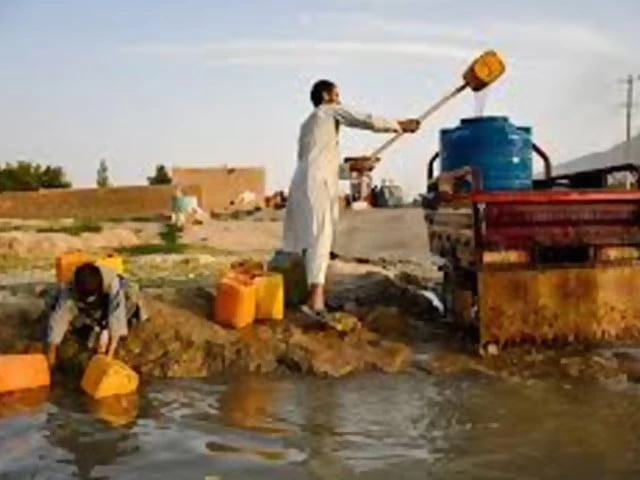
On the eve of World Earth Day, experts from the water and agriculture sectors have raised alarm over the rapid depletion of groundwater resources and increasing pollution of river systems due to the discharge of untreated wastewater and improper disposal of solid waste.
Speaking at various events held in connection with Earth Day, observed globally under the theme "Our Planet, Our Earth 2026," stakeholders stressed the urgent need for sustainable environmental practices to safeguard natural resources.
Dr Naveed Rasul, Professor at the Department of Soil Sciences, University of Agriculture Faisalabad, said the theme underscores the importance of protecting the Earth as the primary source of food, fiber, and essential resources for humanity.
He noted that effective waste management is critical to combating climate change, as greenhouse gas emissions significantly contribute to environmental degradation.
Highlighting the situation in Faisalabad, he said the city generates approximately 1,200 to 1,300 tons of household waste daily.
While much of it ends up in landfills, initiatives like the "Suthra Punjab" programme have improved waste management through the development of proper landfill sites.
He added that bioenergy projects are also being introduced to convert organic waste into methane and biogas, with plants planned in Lahore and two locations in Faisalabad.
Dr Rasul pointed out that crop residue burning remains a major environmental issue, particularly rice straw and sugarcane waste.
However, government efforts have helped prevent nearly 75% of such burning last year, significantly reducing smog and related respiratory illnesses.
He said collected biomass is now being converted into fuel for industrial use, providing an eco-friendly alternative.
Vice Chancellor of Government College Women University Faisalabad, Dr Kanwal Ameen, inaugurated Earth Day activities with an awareness walk and tree plantation drive under a zero-waste campaign.
Participants planted around 200 saplings, promoting environmental awareness among students and faculty.
Water expert Adnan Nisar, General Manager of the Punjab Municipal Development Fund Company, highlighted the critical issue of wastewater treatment, revealing that less than one per cent of wastewater in Punjab is treated.
In Faisalabad alone, about 310 million gallons of wastewater are generated daily, of which only seven per cent undergoes treatment.
He noted that the only operational treatment plant in the city, located in Chokera, has been functioning since 1998.
However, a new plant with a capacity of 33 million gallons per day is being installed near Satiana Road, which is expected to double the treatment capacity to around 14%.
Experts warned that untreated sewage is widely used for vegetable cultivation, posing serious health risks. They emphasised the need for modern wastewater treatment infrastructure across cities.









This material may not be published, broadcast, rewritten, redistributed or derived from. Unless otherwise stated, all content is copyrighted © 2026 The Express Tribune.














COMMENTS
Comments are moderated and generally will be posted if they are on-topic and not abusive.
For more information, please see our Comments FAQ