Woman dies after alleging sexual assault by husband
Updated May 26, 2026

Punjab villages face up to 16-hour outages despite installed capacity
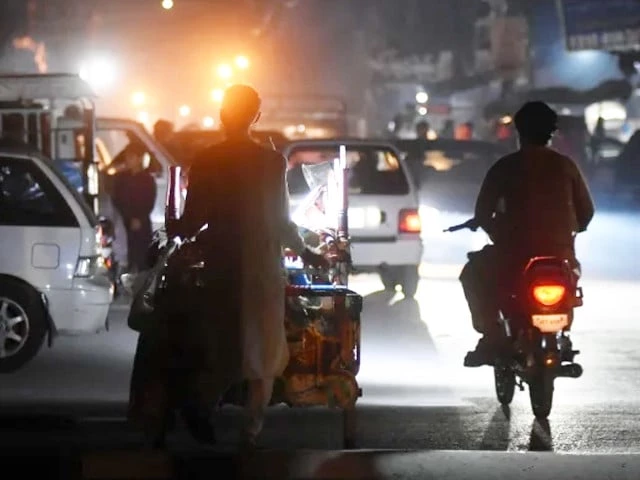
Punjab is experiencing prolonged and increasingly disruptive electricity outages, with rural areas reporting load-shedding of up to 16 hours a day and urban centres facing recurring interruptions, according to residents and power distribution officials.
The situation has intensified across regions served by Lahore Electric Supply Company (Lesco), Multan Electric Power Company (Mepco), Faisalabad (Fesco) and Gujranwala (Gepco), as the gap between electricity demand and supply widens.
Consumers from several districts say outages are frequent, largely unannounced and growing longer, raising concerns about planning and transparency in the power sector.
"We cannot even sleep at night due to the load-shedding these days," said Sharafat, a resident of Bahawalpur, who reported outages lasting between 12 and 16 hours daily. Similar complaints emerged from Bahawalnagar, Kasur, Sahiwal and other districts.
In Burewala, Zubair Ahmad said power cuts were lasting six to eight hours daily. Residents in Faisalabad reported around four hours of outages in urban areas, while Lahore consumers spoke of three to four hours of daily load-shedding, with longer disruptions in nearby rural belts.
Khaleeq from rural Kasur said outages in his area had stretched to five to eight hours. "No one from the electricity company is telling us the actual situation," he said.
Officials of distribution companies say the shortfall has increased sharply during peak hours. In the Lesco region, demand has exceeded 3,100 megawatts against an allocation of roughly 2,300MW, leaving a deficit of more than 800MW in recent days.
A Lesco spokesperson acknowledged a rise in complaints but rejected claims of widespread load-shedding in Lahore, attributing outages to maintenance work and targeted shutdowns on high-loss feeders.
"In these areas, load-shedding is being observed as a policy matter to discourage and control power theft," the spokesperson said.
However, reports from both urban and rural areas suggest outages extend well beyond scheduled maintenance, with interruptions occurring hourly in some locations.
Energy analysts and sector observers have raised broader concerns, arguing that Pakistan's installed generation capacity should be sufficient to meet current demand. They question why extensive load management is being enforced despite this capacity.
Some analysts say that even in the absence of liquefied natural gas (LNG), outages of such duration should not be necessary, particularly in urban centers.
"The system has enough installed capacity to meet baseline demand," an analyst said, adding that recurring outages point more to operational or policy decisions than an absolute shortage of generation.
Officials from the Petroleum Division say gas supplies to power plants have been sharply reduced, with LNG cargoes unavailable until early May. As a result, gas-based generation has declined, limiting output from thermal plants.
At present, only limited indigenous gas is being diverted to the power sector, though officials expect supplies to improve in May.
Separately, the Power Division has cited reduced hydropower output as a key factor behind the shortfall, saying lower water releases from dams have significantly cut generation during peak hours.
According to official estimates, the national electricity shortfall has ranged between 4,500 and 6,500MW in recent days, depending on demand levels.



















This material may not be published, broadcast, rewritten, redistributed or derived from. Unless otherwise stated, all content is copyrighted © 2026 The Express Tribune.






COMMENTS
Comments are moderated and generally will be posted if they are on-topic and not abusive.
For more information, please see our Comments FAQ