Trade deficit narrows 39% as imports fall
Updated 2 hours ago

Iran gas pipeline, rare earth minerals can bring tangible benefits for decades
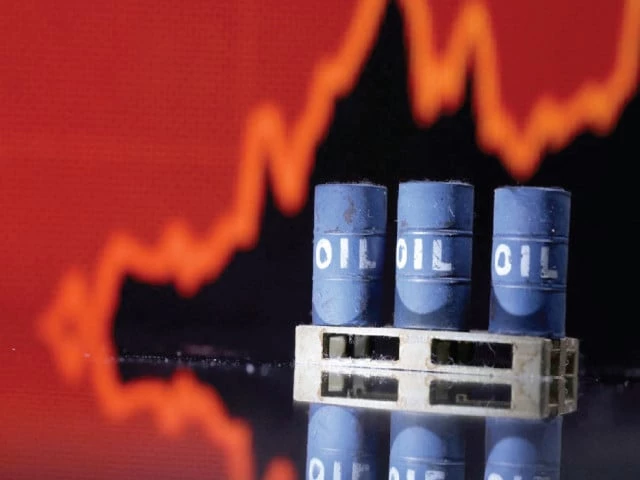
Pakistan's genuine efforts and role as a global peacemaker are finally being taken seriously. Diplomacy is a two-way street, and Pakistan is indeed a prime beneficiary of peace amid the US-Israeli war on Iran.
This is not just because high international oil prices severely upend our fragile macroeconomic recovery and increase the odds of higher inflation, higher interest rates and rupee depreciation. It is also because political instability in Iran affects Pakistan domestically, as we host the second-most populous Shia community in the world.
More importantly, the conflict puts our ties with Arab nations in a quandary. On one hand, we have a very strong economic and political dependence on countries like the United Arab Emirates (UAE), Qatar, Saudi Arabia, Bahrain, Oman and Kuwait. On the other, we share a permanent 900km border and a warm relationship with Iran. Previously, Iran had a closer relationship with India, but that changed following the India-Israel nexus triggered by the torpedoing of an Iranian ship after joint naval exercises. India would rather befriend Israel for the long term. Meanwhile, Pakistan's relationship with the UAE does not seem as seamless as the bonds we share with Saudi Arabia, Iran or even the US.
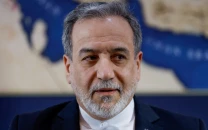
Reports suggest it was Pakistan that acted as the vital peacemaker, warning the US that if Israel were to eliminate figures like Abbas Araghchi and Mohammad-Bagher Ghalibaf, there would be no one left to talk to. This speaks volumes, as these two gentlemen spearheaded the Iranian delegation's peace efforts by directly negotiating with the US team led by Vice President JD Vance. This is not normal courtesy or foreign policy; it is personal intervention to save lives, make permanent friends, win each other's forever trust, protect national prosperity and reduce the negative fallout of war on our friendly Arab neighbours. The warm embrace Foreign Minister Araghchi gave Chief of Defence Forces (CDF) Asim Munir upon his landing in Iran is not just symbolic – it reflects a lifesaving and welcoming cultivated personal relationship.
Similarly, President Trump's repeated praises for Pakistan and his hosting of the army chief – publicly calling him a "great field marshal" and his "favourite field marshal" – have built a significant bridge. The personal attention from the duo of Sharif and Munir has developed a bond that must yield tangible benefits for Pakistan. We should remember that while Pakistan was initially hit with 19% tariffs compared with India's 25% (now 18%), the first Trump term saw a "Modi-Trump charm" that initially sidelined Pakistan before eventually welcoming Imran Khan. Now, the tide has turned.
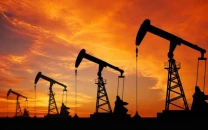
If the peace talks succeed and a permanent ceasefire is achieved – through delayed uranium enrichment and free passage via the Strait of Hormuz – Pakistan deserves an economic payback. Foreign investment does not arrive in a jiffy after a show of goodwill, but a call from the White House could trigger trade delegations or investment from IT giants. This should lead to a strategic comprehensive economic partnership involving "cryptomacy", rare earth mineral exploration, and, most critically, the unsanctioning of the Iran-Pakistan gas pipeline.
Pakistan must seize this moment to become the region's economic centre. With the help of China and the US, we can enable global recognition of the Taliban regime in Afghanistan in exchange for eradicating militant hideouts and keeping Afghanistan's economic lifeline open via trade routes and gas exports to India. Currently, Pakistan's LNG contracts at 10-11% of Brent – with prices above $90 – fetch a rate of $10 per mmbtu. Adding extra charges of $4-5 makes our industry globally uncompetitive. Securing 1 BCF per day from the Iran-Pakistan pipeline at a fixed $5-6 per mmbtu for Punjab's demand centres would give our special economic zones (SEZs) a genuine shot at regional competitiveness.
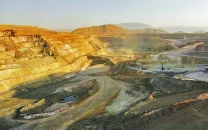
By helping the world reduce oil prices from the $150-$200 range and saving hundreds of billions in import bills and high interest expense, Pakistan has earned its seat at the table. If we can secure a peace deal for Iran and convince the US to remove certain oil sanctions – or get special approval for Pakistan to buy Iranian energy as India does with Russian oil – our long border can turn into a trade corridor. Peace and prosperity in Balochistan can also unearth trillions worth of minerals under the earth.
Reko Diq is just the beginning. This would transform Pakistan into an economic hub for chemicals, metals and gas. Hopefully, the current leadership, especially during the Chief of Defence Forces' (CDF) tenure, can forge a relationship that brings tangible benefits to the people for decades to come.
THE WRITER IS AN INDEPENDENT ECONOMIC ANALYST




This material may not be published, broadcast, rewritten, redistributed or derived from. Unless otherwise stated, all content is copyrighted © 2026 The Express Tribune.






COMMENTS
Comments are moderated and generally will be posted if they are on-topic and not abusive.
For more information, please see our Comments FAQ