Pakistan, China firms sign deals worth $7b
Updated 3 hours ago

Beijing calls terrorism key strain in neighbourly ties
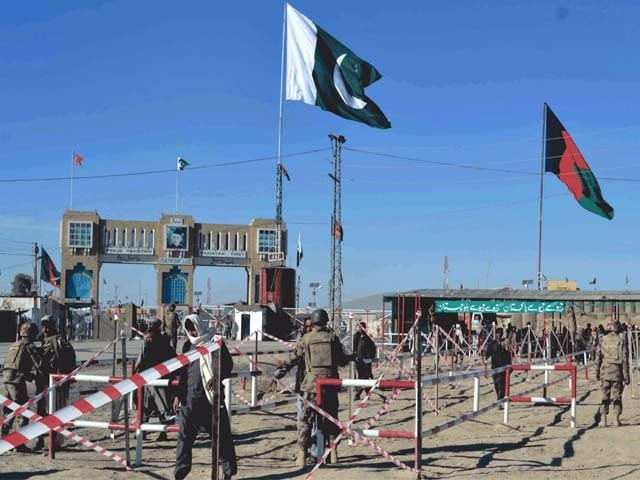
Technical-level delegations from Pakistan and Afghanistan have concluded the first round of talks facilitated by China in Urumqi, with both sides "committed to resolving differences as soon as possible", the Chinese Foreign Ministry said on Wednesday.
Ministry spokesperson Mao Ning told a regular briefing that the meetings, held from April 1 to 7, "proceeded in a sound atmosphere", adding that the process reflected "an approach oriented towards solving problems, striving for results and taking action".
The talks followed understandings reached earlier between Chinese Foreign Minister Wang Yi, Pakistan's Deputy Prime Minister and Foreign Minister Ishaq Dar, and Afghanistan's Foreign Minister Amir Khan Muttaqi, Mao said.
According to her, cross-departmental delegations from all three countries took part, including officials responsible for foreign affairs, defence and security, underscoring the breadth of issues under discussion.
She said the Afghan and Pakistani delegations "spoke highly" of initiatives proposed by Chinese President Xi Jinping, particularly the emphasis on "seeking commonality despite differences" and resolving disputes through dialogue and consultation.
Both sides also "commended and thanked China for the mediation effort and thoughtful arrangement as the host country", while expressing appreciation for Beijing's "fair and just position and utmost effort", Mao added.
Reiterating their commitments, the Afghan and Pakistani delegations affirmed that they "follow the purposes and spirit of the UN Charter and the Five Principles of Peaceful Coexistence", and are "committed to resolving differences as soon as possible".
The spokesperson said the two sides also reiterated that they are "Muslim brothers and neighbours" and agreed "to refrain from actions that may escalate or complicate the situation", signalling a shared intent to avoid further deterioration in bilateral ties.
Mao said intensive bilateral and trilateral engagements were held over the seven-day period, with China concluding that maintaining friendly relations between Afghanistan and Pakistan is "of vital importance" for both countries, as well as for peace and stability in South Asia.
She stressed that the parties agreed that "dialogue and consultation is the viable and effective way to resolve complex international disputes". They also identified "core and priority issues" requiring attention and agreed to "discuss a comprehensive plan" to resolve them, Mao said.
"Terrorism is the core issue affecting Afghanistan-Pakistan relations," Mao stated. China, she added, is ready to "maintain communication with both sides, provide a platform for dialogue, and continue to play a constructive role" in improving trilateral cooperation.
Concluding her remarks, Mao said all three sides viewed the Urumqi process as "substantive" and agreed to maintain communication and dialogue, indicating that while the talks have ended for now, the diplomatic track will continue.
At the talks, Pakistan conveyed three core demands to the Afghan Taliban regime: to declare the Tehreek-e-Taliban Pakistan a terrorist organisation, dismantle its infrastructure, and provide verifiable proof of action.
In Peshawar, an official told The Express Tribune by telephone that Afghanistan and Pakistan have agreed to seek a comprehensive solution to the issues, including trade, with an announcement expected soon. The next meeting will be held at the end of this month.
Sources told The Express Tribune that the Urumqi talks were positive and that both sides submitted their demands to each other, adding that they agreed to pursue a comprehensive solution to the ongoing conflict and avoid steps that could further complicate the situation.
The technical teams from both sides held five sessions in China, they said. The first was introductory; the second and third focused on the TTP, Afghan sovereignty and the non-use of each other's soil for hostile activities; and the fourth addressed the TTP and modalities for resolving the issues.
Kabul also confirmed that the talks were conducted in a constructive and collaborative environment. The framework included border de-escalation, cooperation against terrorism, phased restoration of trade routes, orderly and dignified management of refugees, and a rapid communication mechanism.
Abdul Qahar Balkhi, spokesperson for the Foreign Ministry in Kabul, said in a press release that the discussions comprehensively addressed bilateral relations, security concerns and issues related to regional stability.
The talks came as Pakistan launched Operation Ghazab Lil Haq in the last week of February after Kabul ignored Islamabad's repeated calls to rein in militants using Afghan soil to launch attacks inside Pakistan.
(WITH INPUT FROM OUR PESHAWAR CORRESPONDENT SHAHABULLAH YOUSAFZAI)



This material may not be published, broadcast, rewritten, redistributed or derived from. Unless otherwise stated, all content is copyrighted © 2026 The Express Tribune.









COMMENTS
Comments are moderated and generally will be posted if they are on-topic and not abusive.
For more information, please see our Comments FAQ