Rare display of bonhomie in NA
Updated 2 hours ago

Study highlights that the country has emerged as one of the leading solar markets within five years
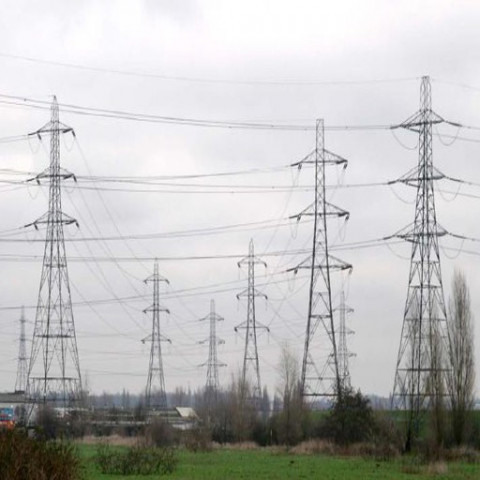
Electricity prices in Pakistan have surged by 155% over the past three years, with capacity payments and the depreciation of the rupee identified as major drivers, according to a new assessment that underscores mounting pressure on household finances nationwide.
In several areas, power bills have overtaken house rents, reflecting the intensity of the crisis and forcing consumers to seek alternatives. According to a report expensive grid electricity has compelled a growing number of consumers to shift towards solar panels.
The Competition Commission of Pakistan (CCP), in a detailed study of the solar energy sector, titled 'Competitive Assessment of the Solar Energy Market in Pakistan', has pointed to structural inefficiencies and barriers that are limiting competition and investment.
The study highlights that the country has emerged as one of the leading solar markets within five years, with installed capacity reaching 35 gigawatts and imports exceeding 50 gigawatts. Yet, it points out that millions of consumers still remain without access to electricity.
The commission has recommended urgent upgrades to the transmission network, the introduction of smart metering systems and grid automation, alongside a broader transition towards renewable energy, noting that Pakistan's solar potential far exceeds its current requirements.
The study observes that most solar usage in the country remains undocumented, while the proliferation of substandard equipment is harming both consumers and market integrity. It also warns that Pakistan, being among the countries most vulnerable to climate change, faces rising economic losses that could reach up to 6% of GDP by 2050.
Under the existing framework, only limited electricity generated through net metering is connected to the grid. However, the report notes that solar adoption tends to rise with income levels, a trend further accelerated by declining prices of solar panels and batteries, making off-grid solutions increasingly attractive.
Highlighting systemic weaknesses, the CCP has identified flaws in transmission infrastructure, policy ambiguity and concerns over product quality as key challenges.














This material may not be published, broadcast, rewritten, redistributed or derived from. Unless otherwise stated, all content is copyrighted © 2026 The Express Tribune.







COMMENTS
Comments are moderated and generally will be posted if they are on-topic and not abusive.
For more information, please see our Comments FAQ