Sindh pushes China MoUs into fast lane
Updated 7 hours ago

Motorcycle riders trade festivity for long hours on the road as rising fuel costs tighten their grip on daily life
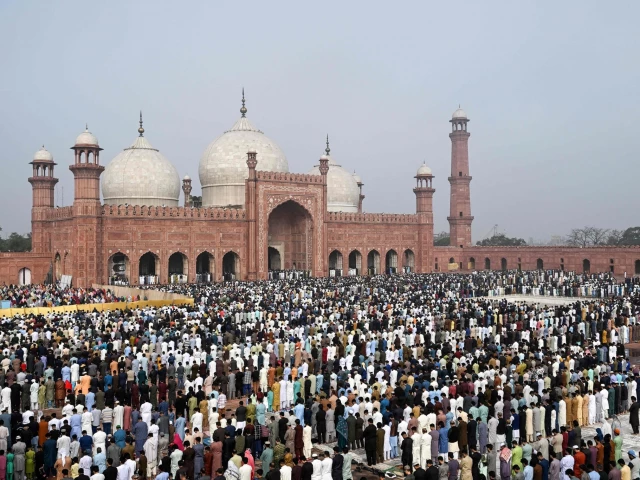
While the streets of Karachi glow with festivity and families gather to celebrate Eidul Fitr, there is another side to the city's story - one that unfolds on busy roads, at crowded stops, and under the relentless sun. For many motorcycle riders, Eid is not a holiday but just another day in the struggle to make ends meet.
This segment of society - men who provide transport services either through online platforms or independently - spent their Eid waiting for passengers or ferrying them across the city, instead of celebrating with their loved ones. For them, the joy of Eid is directly tied to one thing: income.
At Empress Market in Saddar, Abdullah Abbasi, a motorcycle rider offering online transport services, shared his reality. A resident of AB Senia Line, he supports his parents and two children single-handedly. Once a salesman earning Rs30,000 a month, he left the job as it was insufficient for his six-member household. For the past three months, he has been working as a rider.
"Fuel prices have reduced our work by nearly 30 per cent," he said. "What is Eid for people like us? If you have money, you can afford both happiness and rest. Here, even meeting expenses is difficult - how can I take a day off?"
In Qayyumabad, Fawad Ali waited for passengers beside his motorcycle. Living in a one-room rented house in Azam Basti with his wife and child, he spends around Rs15,000 on rent and utilities, while daily expenses demand at least Rs1,000.
"On Eid day, I took my bike out at 9am after prayers and returned home at midnight," he said. "I earned Rs2,500 on the first day and Rs2,000 on the second. I'll keep working on the third day too. If we don't work, how do we feed our families?"
He added that fares have increased by Rs50 to Rs150 due to rising petrol prices, often leading to arguments with passengers unwilling to pay more.
Arshad Khan, a young rider from Korangi, works up to 14 hours a day during Eid to earn extra income. He pointed out that unemployment has pushed hundreds into the same profession, reducing the number of available passengers.
"Fuel prices and the growing number of riders have both affected our earnings," he explained. "Many people now do this part-time, in the mornings or evenings. Still, Eid has been relatively better - thank God we are not going hungry."
For Ghufran Kashif, a rider from Liaquatabad, the contrast is stark. "People are enjoying Eid holidays with their families, but most of us are working to support ours," he said. "If petrol becomes more expensive, how will we continue? Higher fares will push passengers toward public transport."
Passengers, too, feel the strain. Shah Rukh Mushtaq, travelling to Nazimabad, complained about rising fares. "I agreed on Rs400, but the rider demanded Rs500," he said, noting that many riders now prefer negotiating directly rather than using online platforms. Social worker Muhammad Saleem Khan believes the situation reflects a broader economic challenge. "Inflation and high fuel costs have severely impacted these riders," he said. "They live hand-to-mouth, and even on Eid, they are out earning. The government should consider providing subsidised fuel packages for them."
In a city alive with celebration, these riders continue their silent journey - keeping Karachi moving, even as their own festivities remain on hold.







This material may not be published, broadcast, rewritten, redistributed or derived from. Unless otherwise stated, all content is copyrighted © 2026 The Express Tribune.




COMMENTS
Comments are moderated and generally will be posted if they are on-topic and not abusive.
For more information, please see our Comments FAQ