Gold drops by Rs5,200 per tola as global prices tumble
Updated 4 hours ago

Weekly inflation edges up 0.37%, driven by chicken and fuel price surge
Pakistan's weekly inflation, measured by the Sensitive Price Indicator (SPI), recorded a year-on-year (YoY) increase of 4.70% for the week ended March 5, 2026, according to data released by the Pakistan Bureau of Statistics (PBS).
The SPI, which tracks prices of 51 essential commodities across 17 urban centres to gauge short-term inflationary trends, showed a modest rise compared to the same week of last year.
Among the items that registered significant YoY price increases, gas charges for Q1 surged by 29.85%, followed by wheat flour (26.13%), electricity charges for Q1 (17.33%) and liquefied petroleum gas (LPG) (16.89%).
Other notable increases were recorded in chilli powder (15.20%), beef (12.36%), firewood (11.40%), powdered milk (10.16%), mutton (9.32%) and tomatoes (9.02%). Prices of gur (8.51%) and broken Basmati rice (6.18%) also posted annual increases.
Despite these hikes, several food items experienced substantial declines compared with the corresponding week of last year. The most significant drop was recorded in potato prices, which fell by 53.76%, followed by onions (26.10%), eggs (24.93%), garlic (22.25%) and chicken (21.70%). Prices of pulse gram declined by 21.37% while salt powder decreased by 12.52% and pulse masoor by 10.71%.
On a week-on-week (WoW) basis, the SPI increased by 0.37% compared with the previous week ended February 26, 2026, indicating a slight uptick in short-term inflationary pressures.
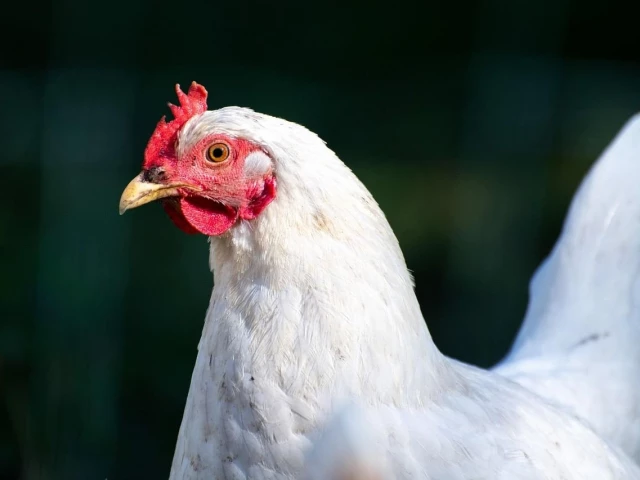
The weekly increase was mainly driven by higher prices of several food and energy items. Chicken prices jumped by 10.46% while LPG increased by 5.61%, bananas by 3.85%, petrol by 3.06% and high-speed diesel by 1.84%.
Other commodities that posted moderate gains included garlic (1.23%), beef (0.66%), mutton (0.65%), pulse mash (0.51%), printed lawn cloth (0.43%), gur (0.30%) and mustard oil (0.24%).
Conversely, prices of several essential food items declined during the week, providing some relief to consumers. Tomato prices fell by 10.04%, eggs by 8.13%, onions by 6.08% and potatoes by 5.09%. Similarly, wheat flour prices declined by 2.40% while pulse gram dropped by 0.50%, pulse moong by 0.43% and cooking oil (five-litre tin) by 0.37%.
Overall, out of the 51 essential items monitored under the SPI basket, prices of 13 items (25.49%) increased, 11 items (21.57%) decreased, while 27 items (52.94%) remained stable during the week under review.
PBS data further showed that inflation varied across income groups, with the lowest consumption quintile recording a YoY increase of 4.57% while the highest income group experienced a relatively lower increase of 3.58%, indicating slightly greater inflationary pressure on lower-income households.
The monthly Consumer Price Index (CPI) increased by 7% on a year-on-year basis in February 2026, compared with an increase of 5.8% in January 2026 and 1.5% in February 2025, indicating a rise in inflationary pressures. On a month-on-month (MoM) basis, the CPI inflation rose 0.3% in February 2026, slightly lower than the 0.4% increase recorded in the previous month, while in February 2025 prices had declined by 0.8%.
In urban areas, the CPI rose by 6.8% YoY in February 2026, compared with 5.8% in the previous month and 1.8% in February 2025. On a MoM basis, urban inflation rose 0.3% in February 2026, slightly higher than the 0.2% increase recorded in January 2026, while prices had declined by 0.7% in February 2025.
Similarly, the rural CPI inflation rose by 7.3% YoY in February 2026, compared with 5.8% in January 2026 and 1.1% in February 2025, reflecting relatively stronger price pressures in rural areas. On a MoM basis, rural inflation increased 0.3% in February 2026, compared with a 0.6% rise in the previous month, whereas prices had declined by 1.1% in February 2025.














This material may not be published, broadcast, rewritten, redistributed or derived from. Unless otherwise stated, all content is copyrighted © 2026 The Express Tribune.







COMMENTS
Comments are moderated and generally will be posted if they are on-topic and not abusive.
For more information, please see our Comments FAQ