'Great respect for Pakistan': Trump again praises Islamabad for peace efforts
Updated 35 minutes ago

Top court sets aside K-P govt, ombudsperson's appeals in property case
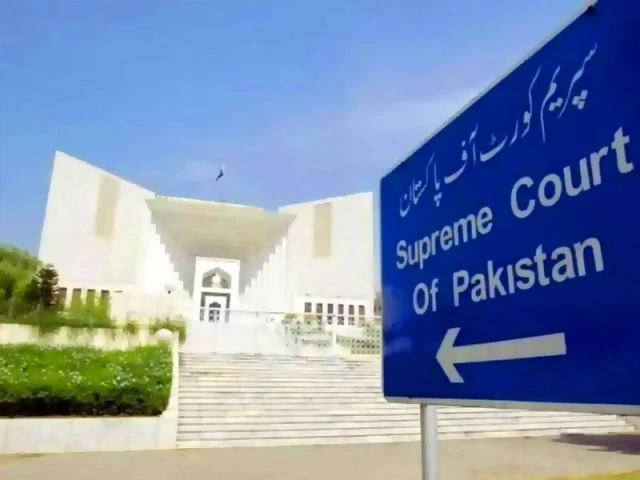
The Supreme Court dismissed as inadmissible the appeals filed by the Khyber-Pakhtunkhwa (K-P) government and the K-P women ombudsperson in a property ownership and distribution dispute.
In a written order authored by Justice Musarrat Hilali, the court questioned why the government and the ombudsperson filed appeals when the private parties themselves had remained silent.
The SC held that the ombudsperson acts as a judge, not a party, and cannot defend her decisions in higher courts. As a quasi-judicial institution, the ombudsperson cannot become an affected party in such matters and must remain neutral.
The court further ruled that the K-P government was neither an heir to the property nor personally affected by the decision.
Therefore, neither the government nor the ombudsperson had the legal standing to file an appeal. However, the rights of the original property claimants to file an appeal remain unaffected.
The dispute concerned ownership and distribution of property between Shabbir Khan and other private parties. The K-P Women Ombudsperson decided the case under the Women Property Act 2019. However, the Peshawar High Court (PHC) set aside the ombudsperson's decision, ruling that it exceeded jurisdiction.
















This material may not be published, broadcast, rewritten, redistributed or derived from. Unless otherwise stated, all content is copyrighted © 2026 The Express Tribune.






COMMENTS
Comments are moderated and generally will be posted if they are on-topic and not abusive.
For more information, please see our Comments FAQ