Brand reliability fetches demanded price
Updated 4 hours ago

Rising grocery prices, power bills drive informal kitchen businesses across Karachi
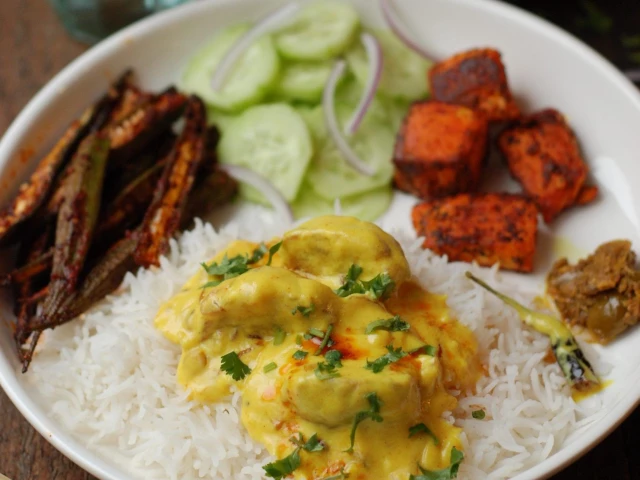
Ramazan has pushed household budgets to the brink, with soaring grocery prices, expensive meat and higher electricity bills compounding months of inflation. As financial strain deepens across income groups, more women - from graduates to homemakers — are turning their kitchens into income sources to prevent household finances from unravelling.
A 27-year-old graduate of Iqra University, Ameena Rehman, said she began selling homemade meals last year after struggling to find a job aligned with her degree. Rather than joining a delivery platform, she created a Facebook page to market her food.
"I wasn't getting a stable job, and sitting at home felt frustrating," she said. "We were already cooking every day. I thought, why not sell what I cook well?" She now prepares lunch boxes and Ramazan platters for customers within her social circle and through referrals. Orders fluctuate, but during Ramazan they increase significantly.
"This month helps. People order more for iftar. The profit is not huge, but it helps at least with electricity bills and groceries," she said. She is not alone. Several women interviewed across Karachi described similar efforts — informal, home-based and often unregistered.
In Gulistan-e-Johar, a mother of three, Sarwat Jabeen, said she began selling biryani and kababs to neighbours after her husband's income fell short of covering rent and school fees. She does not use social media regularly and relies mostly on word of mouth.
"One customer tells another. I cook extra and send it through my son," she said. "It's not a business in a big way. It's just to manage the month." In North Nazimabad, another woman, who wished not to be named, said she prepares frozen samosas and rolls before Ramazan and sells them within her apartment building.
"Everything is expensive now. Oil, flour, chicken - all prices have gone up," she said. "If I can earn even a few thousand rupees extra, it reduces stress."
As women describe their entrepreneurial journeys, Muntaqa Peracha, Chief Executive of Foodpanda — the largest food delivery platform in Pakistan — said its HomeChef programme has enabled thousands of home-based cooks, the majority of whom are women, to earn a steady income while managing household responsibilities.
"Some are leveraging digital platforms to widen their reach. Women account for around 70% of our HomeChef partners, and in 2023-24, more than 5,000 home-based cooks earned an average monthly income of about Rs120,000 through the platform," Peracha told The Express Tribune.
"We are particularly proud of the programme's role in advancing financial and economic inclusion for women," he said, adding that providing a digital storefront helps women overcome barriers to entering the traditional commercial food sector. He said the company has also worked closely with provincial governments to lower sales tax for home-based chefs, reducing commissions from 16% to 5% in Punjab, with similar rebates in Sindh and Khyber-Pakhtunkhwa, helping them manage ingredient costs and maintain margins while growing their businesses.
But many women are operating independently, without formal partnerships or app-based support.
Yet many home-based entrepreneurs remain outside formal platforms. Some cite commission costs, while others say they prefer to control pricing directly or limit orders to manageable volumes. For them, WhatsApp groups, Facebook pages and neighbourhood referrals are sufficient.
Their efforts reflect a broader national picture. According to the Gallup Pakistan 'Analysis of Labour Force Participation in Pakistan 2024-25', released this week, more than 52.3 million women are engaged in cooking, cleaning and general household chores, compared with 6.3 million men. Another 27.3 million women provide unpaid caregiving. Women spend an average of 15.3 hours per week on domestic work — more than double the time reported for men.
For many home-based female cooks, selling food does not replace domestic responsibilities; it is layered on top of them. Cooking begins early, packaging is done between household tasks, and earnings are often immediately reinvested into household expenses.
As developing countries are projected to account for more than 85% of the world's population by 2050, economists say job creation and small enterprise growth will be critical to stability. World Bank Group President Ajay Banga has recently emphasised that employment, particularly private sector-led job creation, is central to reducing poverty and strengthening domestic markets.
In Pakistan, that larger economic principle plays out in modest ways. Women are not describing expansion plans or long-term business strategies. Most speak instead about covering household expenses without borrowing or keeping up with rent.
During Ramazan, when spending rises, their kitchens become even busier. For many families, the additional income — whether earned through a platform, a Facebook page or simple word of mouth — is less about ambition and more about staying afloat.








This material may not be published, broadcast, rewritten, redistributed or derived from. Unless otherwise stated, all content is copyrighted © 2026 The Express Tribune.













COMMENTS
Comments are moderated and generally will be posted if they are on-topic and not abusive.
For more information, please see our Comments FAQ