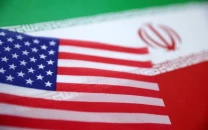
'World watching with great expectation': EU council chief hopes for US-Iran deal in call with PM Shehbaz
Updated 4 hours ago

Mother Languages Literature Festival blends scholarship, poetry and performance
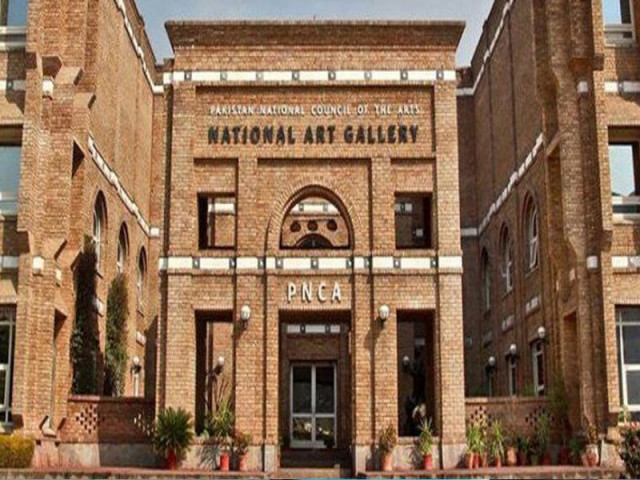
The Pakistan National Council of the Arts, in collaboration with the Indus Cultural Forum, continued celebrations on the second day of the Pakistan Mother Languages Literature Festival, bringing together poets, scholars, translators, researchers and performers for discussions, book launches, documentary screenings, theatre and a grand multilingual mushaira.
Federal Minister for National Heritage and Culture Aurangzeb Khichi attended the festival as chief guest.
The Indus Cultural Forum has been organising the festival for more than a decade. This year marked its 11th edition, held in collaboration with PNCA. Building on the opening day, the second day deepened dialogue on literary heritage, cultural preservation and contemporary creative expression across Pakistan's mother languages.
The day opened with two sessions celebrating the lives and works of literary figures from 12 Pakistani languages who received lifetime achievement awards on the first day. Honourees included Ayaz Gul (Sindhi), Rai Muhammad Khan Nasir (Punjabi), Ashiq Khan Buzdar (Seraiki), Dr Abdul Saboor Baloch (Balochi) and Tahira Ahsas Jattak (Brahui). Moderated by Usman Qazi and Humaira Ishdaq, the sessions reflected on their contributions and the evolving place of regional languages in Pakistan's intellectual life.
Nearly 50 books in 15 Pakistani languages were launched, including 10 novels, nine translations from Pakistani and international literature, and nine research and non-fiction titles covering subjects from psychology to literary criticism.
A multilingual mushaira introduced 18 poetry collections. The translations segment featured works rendered from English, Pothohari, Pashto and Sindhi into various Pakistani languages, highlighting translation as a bridge between literary traditions.
An afternoon session focused on safeguarding endangered cultural expressions, including a documentary screening on Boreendo supported by UNESCO. Speakers, moderated by Naz Sahito, warned of the risk of extinction facing Pakistan's arts, instruments and crafts and called for a multi-pronged approach to preservation.
A theatre performance in the main auditorium explored climate change through indigenous and regional languages, demonstrating how environmental challenges resonate more powerfully when articulated in local linguistic contexts.
The day concluded with a performance by Nizam featuring Wajeh Nizami and Rubaya Pirzada, who presented Sufi compositions blending guitar, sitar and tabla.







This material may not be published, broadcast, rewritten, redistributed or derived from. Unless otherwise stated, all content is copyrighted © 2026 The Express Tribune.



COMMENTS
Comments are moderated and generally will be posted if they are on-topic and not abusive.
For more information, please see our Comments FAQ