Russia's Lavrov lauds Pakistan’s role in US-Iran dialogue in phone call with FM Dar
Updated 3 hours ago

Govt approves purchase of 300 machines
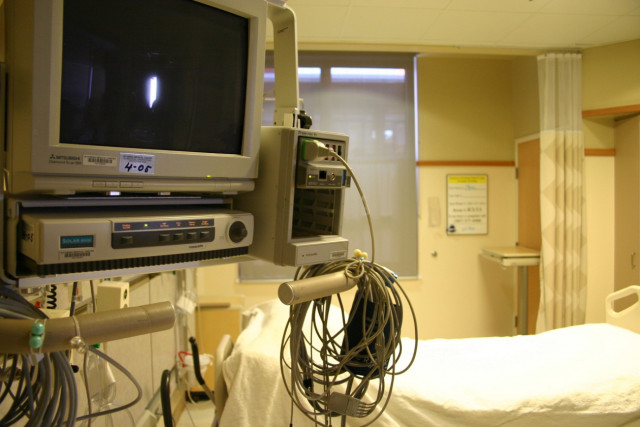
At least 431 Intensive Care Unit (ICU) ventilators in government hospitals across Punjab are unfunctional, leaving critically ill patients at risk.
Government record indicates that ventilator shortages and equipment failure are a challenge for tertiary and district hospitals.
Patients suffering from severe trauma, stroke, accidents, respiratory failure and other complicated conditions often require immediate ventilator support. The unavailability of functional machines results in preventable deaths and delayed treatment.
Health department documents reveal that only 1,709 ventilators are currently operational across Punjab while international and national healthcare standards demand far more.
The World Health Organisation (WHO) recommends that at least 10 per cent of hospital beds should be supported by ventilators, a benchmark Punjab is falling far short of.
Based on bed capacity and global standards, the province requires 3,406 ventilators, showing a shortfall of nearly 1,600.
The situation is aggravated by the condition of existing equipment. Of the 431 non-functional ICU ventilators, 191 are awaiting repairs, 185 have been declared beyond repair and 55 have been officially labeled as condemned.
These figures highlight systemic issues in equipment maintenance, timely repairs and lifecycle management within the public healthcare system.
Another troubling aspect revealed in official documents is the performance of ventilators procured during the COVID 19 pandemic.
At least 374 ventilators supplied during the coronavirus emergency failed to deliver effective clinical outcomes.
Many of these machines are either incompatible with hospital infrastructure, lack trained operators or are now not functional due to poor after-sales support.
Sources in the health authorities disclosed that 1,600 new ventilators had been demanded during the ongoing financial year to address the widening gap.
However, the acquisition of only 150 ventilators was approved and even those remain stuck in procurement and tendering stages, delaying relief for the burdened hospitals.
Healthcare experts warn that the gap between demand and supply affects the emergency response capacity.
In high pressure situations such as mass casualty incidents, seasonal respiratory illnesses or heat and smog related complications, the absence of ventilators can turn hospitals unable to serve as lifesaving institutions.
Following criticism and alarming internal reports, the Punjab chief minister's intervention has pushed the health authorities to take corrective steps.
Officials confirmed that a decision had been made to replace condemned and dysfunctional ventilators, while emergency procurement is being fast tracked.
According to officials, the government has approved the purchase of an additional 300 ventilators to partially bridge the gap.
They said Rs2.7 billion had been sanctioned for procuring new ventilators.
Public health advocates stressed the need for transparent purchasing, standard selection, trained biomedical staff and sustainable maintenance contracts to prevent repetition of failures.
"The Punjab government is doing the maximum to provide facilities at the public sector hospitals and we have not received any complaint regarding shortage of ventilators. The government is increasing manpower at hospitals, improving facilities, providing modern equipment, including ventilators, developing the infrastructure and building new hospitals.
We are also working on overcoming gaps in facilities and releasing funds for ventilators to the hospitals," a health department spoesperson, Syed Hamad Raza. said.













This material may not be published, broadcast, rewritten, redistributed or derived from. Unless otherwise stated, all content is copyrighted © 2026 The Express Tribune.






COMMENTS
Comments are moderated and generally will be posted if they are on-topic and not abusive.
For more information, please see our Comments FAQ