Azerbaijan says it is ready to supply LNG to Pakistan
Updated 1 hour ago

With jails' occupancy exceeding their capacity, prisoners are forced to live in unhygienic and suffocating conditions
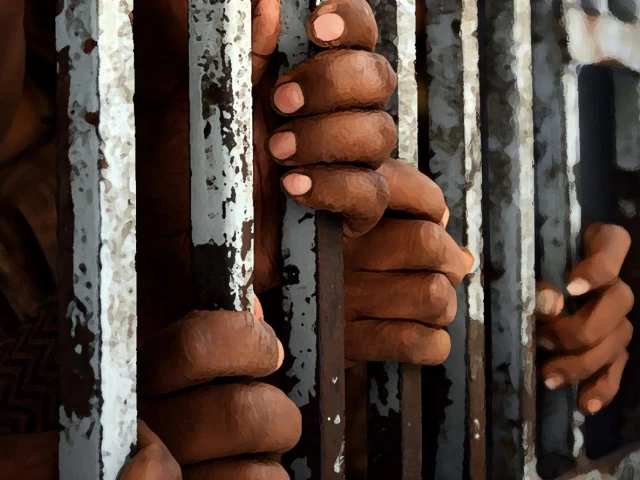
In Punjab, where crime rate has risen sharply, the population of inmates, including under-trial prisoners, in province’s jails has reached alrmingly high and dangerous level. With prison occupancy now 81 per cent above capacity, inmates are packed into barracks like cattle.
According to records obtained by The Express Tribune from the Punjab Home Department, over 71,000 prisoners and under-trial inmates are currently housed in 45 jails. These include 68,570 men and 1,310 women. Among them, 3,000 are on death row, including nine women, while 16,832 are serving life sentences or shorter terms, including 285 women. Under-trial prisoners number 51,514, with 50,000 men and 1,000 women.
The total capacity of these 45 jails is 38,980, meaning current occupancy exceeds capacity by 81 per cent. District Jail Bahawalnagar tops the list, with 817 inmates agaisnt the capacity of 176, that shows 364 per cent over capacity.
District Jail Rahim Yar Khan holds 972 prisoners against a capacity of 250, a 290 per cent above capacity. Central Jail Rawalpindi (Adiala Jail), where PTI founder and his wife are imprisoned, has a capacity of 2,174 but houses 8,000 inmates, 267 per cent over capacity.
Read More: 140 children living in Punjab jails with mothers
Central Jail Gujranwala holds 2,050 prisoners against a capacity of 1,425 which is by 227 per cent above capacity, while District Jail Lahore (Camp Jail) houses 6,400 inmates in 2,000-capacity barracks, above capacity by 215 per cent. Other overcrowded jails include Sheikhupura (3,066 priconers against a capacity of 982, above by 212 per cent), Sargodha (1,735 against a capacity of 585, which is above by 193 per cent), Sialkot (2,750 against the capacity of 962, above 186 per cent), Kasur (2,040 against a capacity of 716, that is above by 185 per cent), and Gujrat (1,890 against 777, that is above capacity by 142 per cent).
Overcrowding has serious health consequences as inmates suffer from coughs, allergies, rashes, digestive issues, fevers, headaches, and high blood pressure. The Punjab Health Department noted that high prison populations has increased health risks, and makeshift medical camps have been set up in coordination with local hospitals to provide medical facilities to prisoners. Professor Dr Rizwan Aziz stated that overcrowding lowers inmates’ immunity and leads to widespread illnesses. “Past germ-prevention measures have been insufficient, and proper nutrition is often lacking,” said Dr Aziz.
An NGO chairperson, Farah Hashmi, urged the government to organise medical camps every six months in collaboration with the private sector to check inmates’ health. The Punjab Home Department is addressing doctor shortages, but only 110 doctors serve over 70,000 inmates. Currently, 1,457 prisoners suffer from serious illnesses, including 272 with HIV/AIDS, 137 with Hepatitis B, 517 with Hepatitis C, 460 with diabetes, and 59 with mental disorders. Former inmates report that treatment in jail hospitals is limited and often only accessible through recommendations, while most prisoners receive medicines in barracks.
To ease overcrowding, the Punjab government is building new jails in Nankana Sahib and Samundri, adding double-story barracks in major prisons, and constructing a modern prison complex in Lahore with a capacity of 10,000. A new Sialkot jail will house 3,000 inmates. The Punjab Probation of Offenders (Amendment) Act 2025 allows minor offenders to serve probation and community service instead of imprisonment.
The Home Department added that all prisons are provided three meals daily under government funding, including chicken six days a week, vegetables, lentils, and chickpeas to meet nutritional needs. Prison hospitals operate under the Health Department with 24-hour on duty doctors, including female doctors, and medicine availability. During winter, inmates are provided blankets, and barracks are covered with transparent sheets to protect prisoners in cold weather.















This material may not be published, broadcast, rewritten, redistributed or derived from. Unless otherwise stated, all content is copyrighted © 2026 The Express Tribune.






COMMENTS
Comments are moderated and generally will be posted if they are on-topic and not abusive.
For more information, please see our Comments FAQ