Dar to visit New York to participate in UNSC open debate: FO
Updated 1 hour ago

.
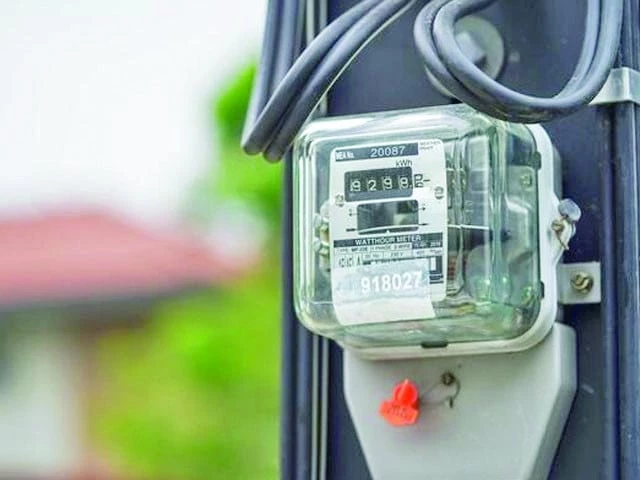
Electricity consumers in Pakistan may face an additional burden of 48 paisa per unit on account of Fuel Cost Adjustment (FCA) for the month of December 2025.
The National Electric Power Regulatory Authority (NEPRA) on Thursday held a public hearing on a request filed by the Central Power Purchasing Agency (CPPA).
The CPPA told NEPRA that national electricity consumption rose by 22 per cent compared to the same period last year, mainly due to higher demand from industrial and agricultural sectors. According to the data, industries consumed 2 billion units of electricity in December 2024, which increased to 2.4 billion units this December 2025.
Officials said that around 44 per cent industrial and 39 per cent agricultural consumers benefited from recent power packages, while overall electricity production on an annual basis increased by 2.4 per cent.
NEPRA was informed that peak demand also showed a significant rise. In December 2024, maximum demand stood at 13,792 megawatts, while in the same month of 2025, it reached 14,886 megawatts, according to the National Power Control Centre (NPCC).
However, NPCC officials said that despite higher demand, solar energy is gradually reducing grid consumption, especially during daytime. They revealed that 9,000 to 10,000 megawatts of electricity is now being generated daily through net metering, which is affecting demand from the national grid.
During the hearing, industrial consumers strongly criticized the proposed increase. They argued that electricity prices are already too high and further adjustments would hurt competitiveness. "Instead of reducing power prices, a hidden increase is being imposed," one representative said, adding that industry cannot survive under the current tariff structure.
Power sector officials responded that while the FCA may increase, the quarterly adjustment is expected to decline, which could provide some relief in the coming months. They also explained that hydel power generation falls during winter, increasing reliance on expensive fuels, but production improves in summer, which helps reduce the FCA.









This material may not be published, broadcast, rewritten, redistributed or derived from. Unless otherwise stated, all content is copyrighted © 2026 The Express Tribune.












COMMENTS
Comments are moderated and generally will be posted if they are on-topic and not abusive.
For more information, please see our Comments FAQ