PM Shehbaz reaffirms commitment to eradicate polio as cases drop sharply in 2026
Updated 2 hours ago

Final nationwide anti-polio campaign concluded in Dec '25 with over 44.6 million children vaccinated across Pakistan
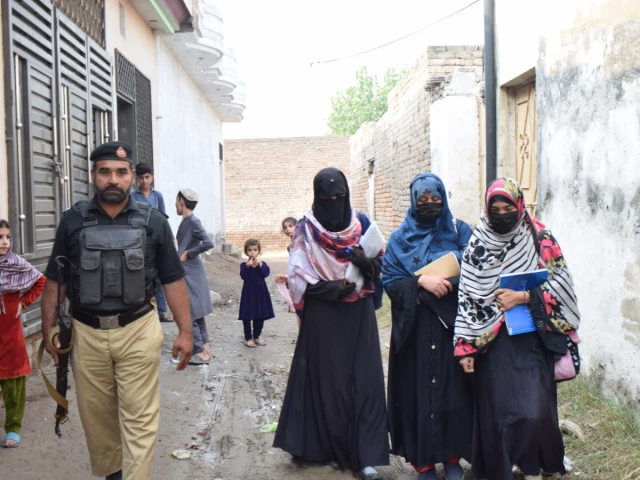
Pakistan has recorded a significant decline in polio cases following stricter regulation of cross-border movement with Afghanistan, marking a major milestone in the country’s eradication efforts.
The decision to regulate unorganised cross-border movement with Afghanistan has emerged as a major factor behind the country’s improved performance against polio in 2025, according to health officials and surveillance data. Authorities say tighter controls on the movement of people and goods across the border have strengthened monitoring systems and reduced opportunities for the virus to spread.
Official figures show that polio cases declined by 59.5% in 2025, with transmission now restricted to fewer geographical areas compared to previous years. This containment has enabled vaccination teams to concentrate efforts in high-risk districts, improving both coverage and follow-up among vulnerable populations.
The Pakistan–Afghanistan border has long posed a challenge for polio eradication due to frequent and largely unmanaged population movement. Afghanistan continues to report circulation of the wild poliovirus, and repeated cross-border travel has historically contributed to the re-importation of the virus into Pakistan. Children from mobile families often missed routine immunisation and multiple vaccine doses, increasing the risk of continued transmission.
Health officials say that better regulation of cross-border movement, along with the repatriation of undocumented Afghan immigrants, has reduced this risk. With more structured border management, vaccination at transit points has improved, and mobile populations are now easier to track. This has helped close long-standing gaps in immunisation coverage.
In addition, surveillance systems have become more effective as population flows are now better documented. Officials note that environmental sampling and follow-up of suspected cases have improved, allowing for quicker detection and response.
Polio is a highly infectious and incurable disease that can cause lifelong paralysis, primarily affecting children under the age of five. Experts emphasise that while vaccination remains the cornerstone of eradication, Pakistan’s experience in 2025 shows that regulated cross-border movement is a critical public health measure, particularly in the final stages of eliminating the virus.
Health authorities stress that sustained immunisation campaigns, continued vigilance, and regional cooperation will be essential to preserve and build on the gains achieved this year.
The final nationwide anti-polio campaign of 2025 concluded in December of last year with more than 44.6 million children vaccinated across Pakistan. According to the National Emergency Operations Centre, the campaign achieved its targets nationwide. Official figures released by the National EOC show that approximately 22.9 million children were administered polio drops in Punjab, while around 10.6 million children were vaccinated in Sindh.












This material may not be published, broadcast, rewritten, redistributed or derived from. Unless otherwise stated, all content is copyrighted © 2026 The Express Tribune.






COMMENTS
Comments are moderated and generally will be posted if they are on-topic and not abusive.
For more information, please see our Comments FAQ