PM Shehbaz hopes of peace deal soon as Iran's Pezeshkian expresses appreciation for Pakistan role in negotiations
Updated 10 hours ago

Each fragment numbered, documented and stored with record
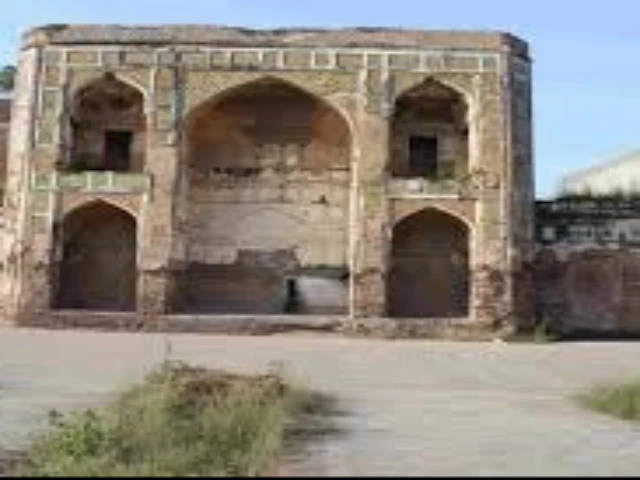
Conservation experts and officials say the rare red stones that become loose during the ongoing restoration of the Tomb of Jahangir are being preserved and reused.
Restoration and conservation work at the historic complex in Shahdara has been under way for years and several chambers and sections that had remained closed or filled with debris for decades have been opened.
Red stone blocks, carved decorative fragments and white marble pieces were systematically collected during the process.
According to Project Director Naeem Iqbal, the tomb was constructed in 1637 and has now stood for nearly four centuries.
He said prolonged exposure to weather conditions, underground moisture and flooding had caused significant structural damage, leading to stones loosening from their positions in several sections.
He rejected the perception that rare stones recovered during restoration are wasted.
Each stone fragment is numbered, documented, and stored with proper records. When original material is required during conservation, the same stones are carefully reshaped and reused. He added that this method is considered a fundamental principle of heritage conservation at the international level.
The Shahdara complex also includes the tombs of Asif Jah and Nur Jahan, a mosque, and an old serai, all of which have undergone repairs during different periods.
Experts say evidence suggests that valuable stones had previously been removed from parts of the complex, including Jahangir's grave, causing damage to the original structure.
Special care is also being taken in the selection of construction material during conservation. Experts explained that instead of cement, traditional material such as white lime, Kasur clay and kankar lime mortar are being used, as they allow the walls to breathe and reduce moisture pressure. Similarly, white lime, prepared from purer and more refined lime, is applied as the final surface finish to ensure compatibility with the historic fabric.
Officials said the type of red stone used during the Mughal period is no longer available in Pakistan.
In the past, this stone was sourced from India, but current tensions between the two countries have made this impossible. As a result, existing stones are being preserved with care for reuse whenever required.















This material may not be published, broadcast, rewritten, redistributed or derived from. Unless otherwise stated, all content is copyrighted © 2026 The Express Tribune.






COMMENTS
Comments are moderated and generally will be posted if they are on-topic and not abusive.
For more information, please see our Comments FAQ