Muslim Conference, Muttahida Ulema Council forge alliance for AJK polls
Updated 2 hours ago

1883 steam-powered facility once supplied clean water to Walled City
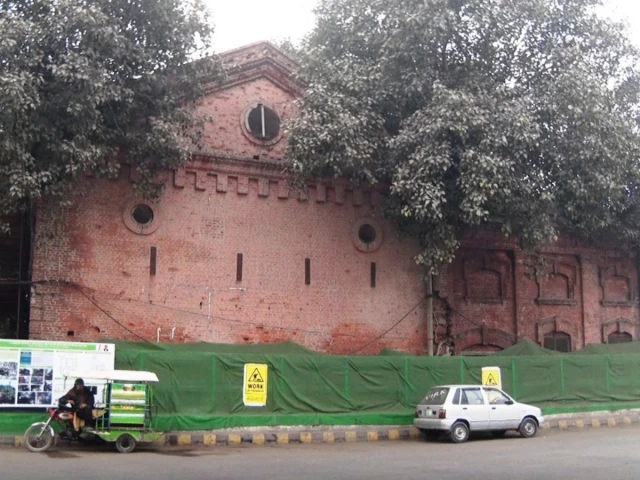
Work is underway to convert Lahore’s first water pumping house, which supplied clean drinking water to the Walled City for decades, into a museum, officials said.
Located near Lahore’s Lorry Adda, the building is described as a hidden national heritage site and houses the steam engine of the city’s first organised water supply system.
The pumping house was established in 1883 to meet Lahore’s water needs. A tall chimney beside the building still stands out, while inside is the massive structure of a ship-sized steam engine. Its large gears are said to resemble those used in the steam engines of the Titanic.
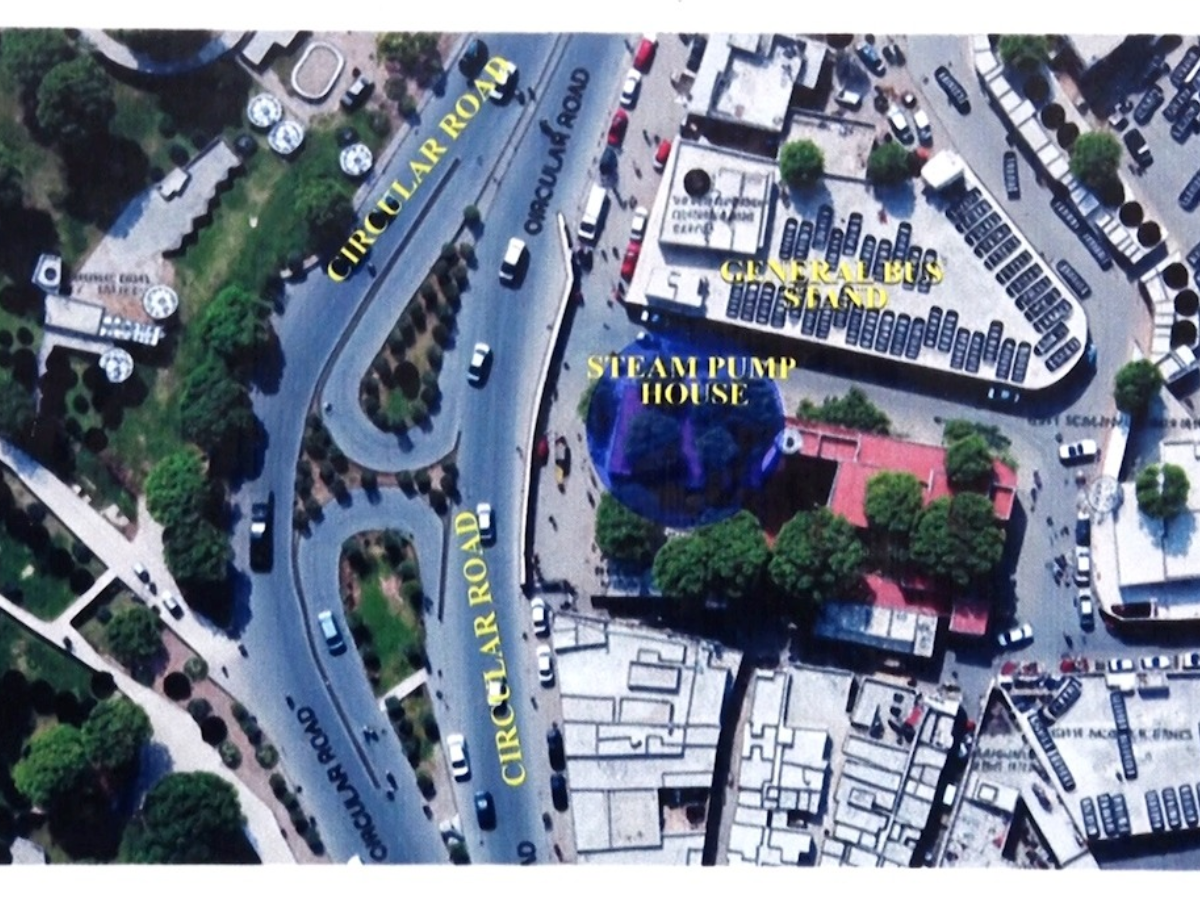
Lahore pumping house directions Photo: Express
Deputy Director of the Walled City of Lahore Authority (WCLA) Mubashir Hassan said the pump station was set up in 1883 by a Hindu named Bilaram along with the then governor of Lahore, Charles Aitchison. He said the idea emerged after Bilaram visited Lahore with his family and his children fell ill after drinking contaminated water. Following this, Bilaram met Governor Aitchison and proposed installing a pumping station to supply clean water.
The British-era water supply system had two main parts. The steam engine used a powerful hydraulic system to draw water from the Ravi River, while the second part involved collecting the water in a large reservoir known as the “pani wala talab.” From there, water was supplied to homes in the Walled City. The WCLA is now working on a plan to preserve this historic steam pumping house.
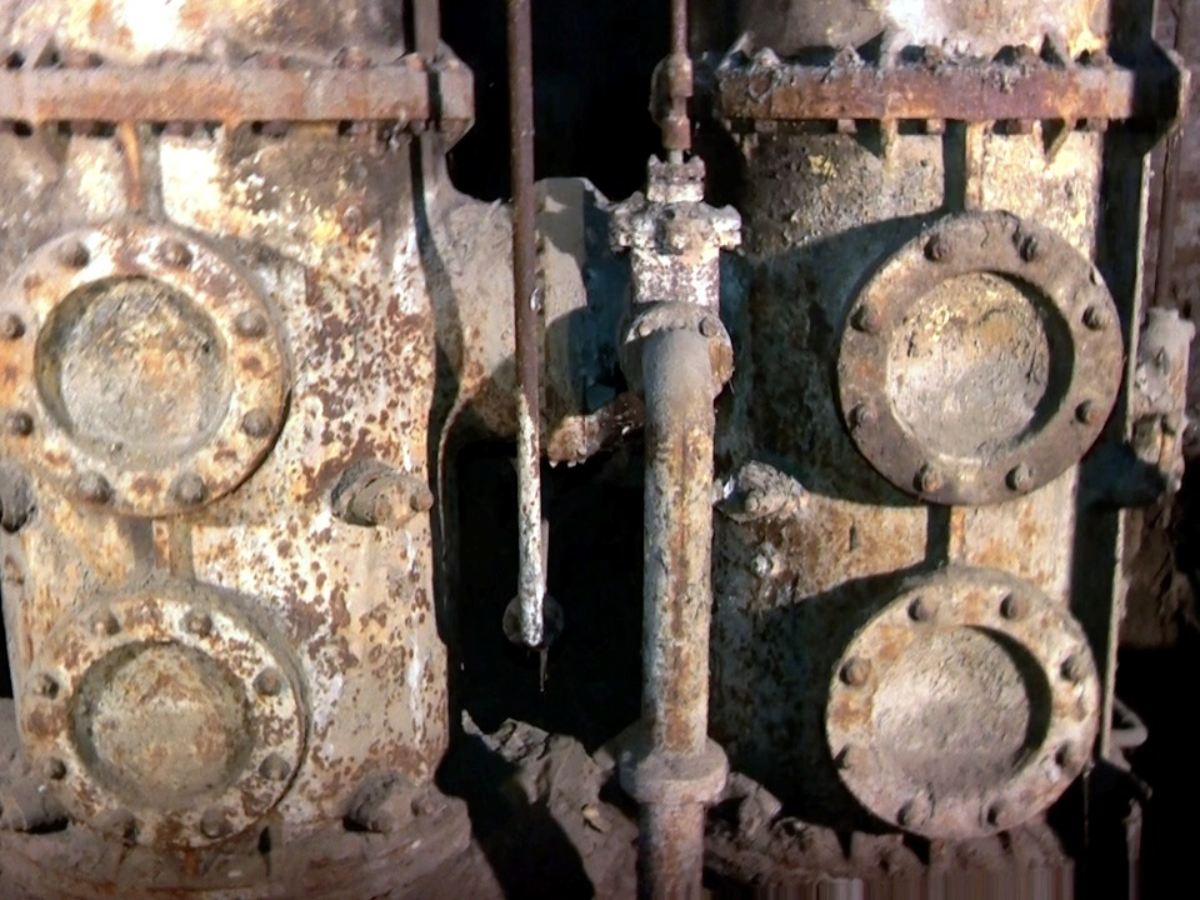
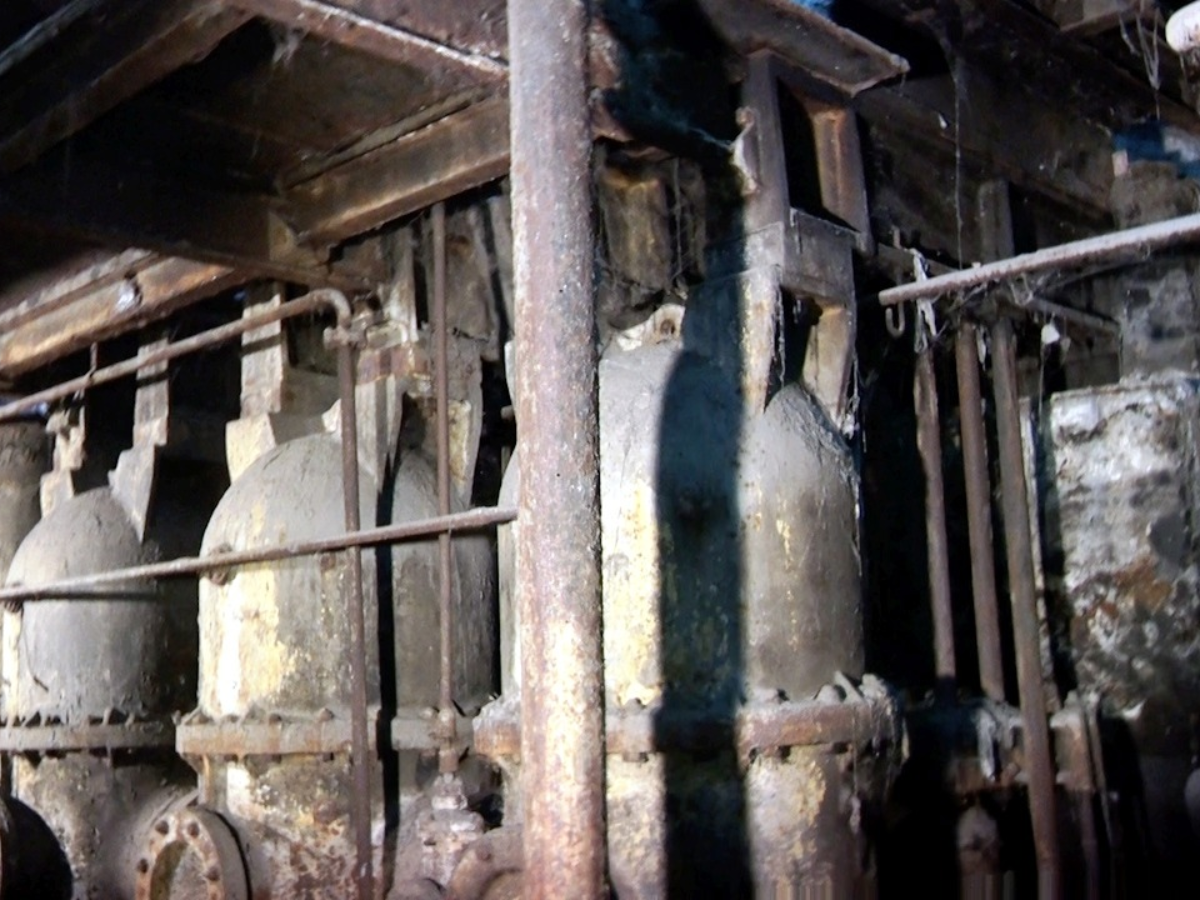
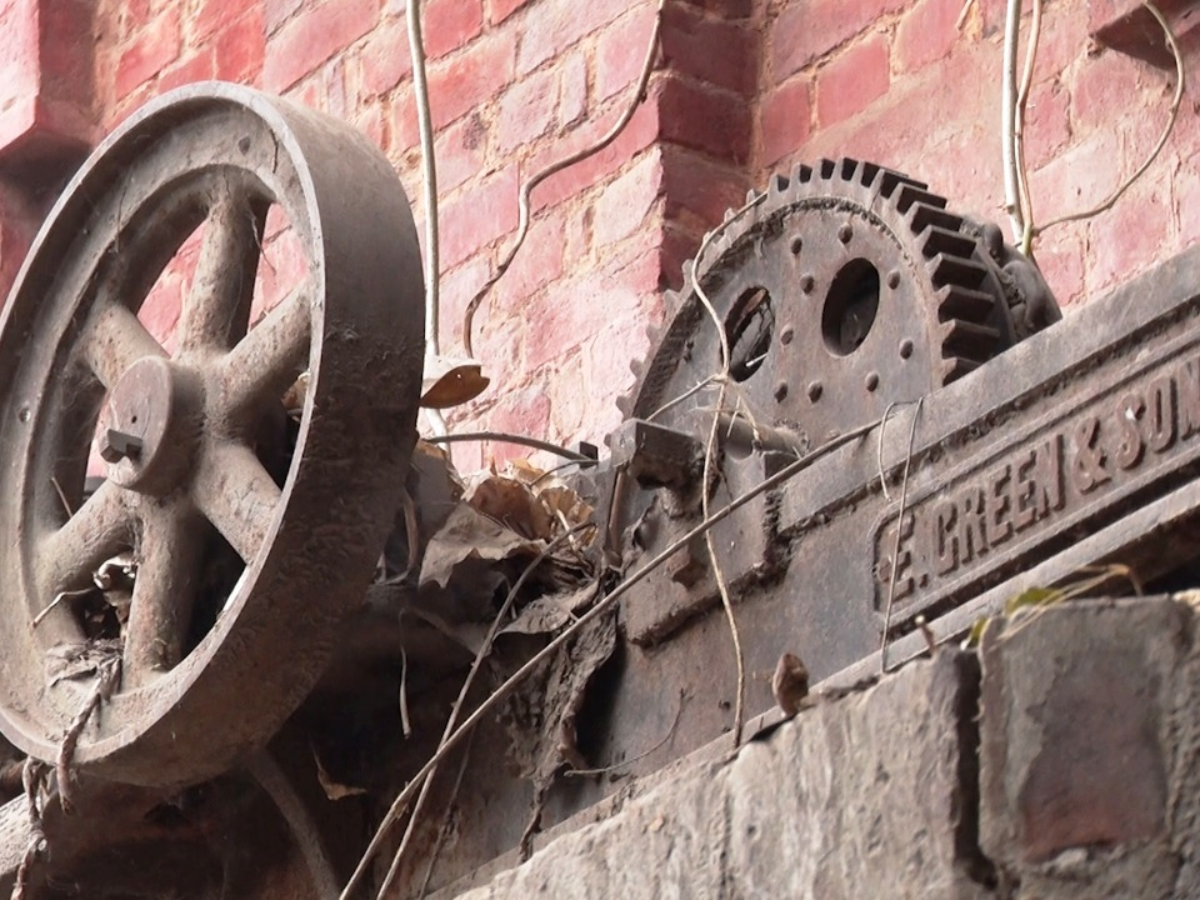
Mubashir Hassan said the population of the Walled City at the time was around 32,000. The coal-powered pump station supplied about one million gallons of water daily to the reservoir, from where it was distributed to residents. While the pumping station itself is no longer operational, the reservoir still exists and continues to supply water to the inner city.
Read: Mailsi highway in a shambles
He said the pump station was shut down after the 1971 Pakistan-India war when coal supplies were disrupted, and electric tube wells were installed as an alternative. Since 1971, the machinery has remained idle and the building gradually turned into a ruin. The machinery can no longer be made operational, but it is being cleaned and preserved as part of the museum project.
According to Mubashir Hassan, the second section of the building, which consists of a large hall, will be converted into a cafeteria. He said the aim of the project is to preserve this historic site as a British-era monument in a sustainable way, adding that income generated from the museum and cafeteria will be used for its maintenance.















This material may not be published, broadcast, rewritten, redistributed or derived from. Unless otherwise stated, all content is copyrighted © 2026 The Express Tribune.






COMMENTS
Comments are moderated and generally will be posted if they are on-topic and not abusive.
For more information, please see our Comments FAQ