UN chief condemns Quetta train blast
Updated 6 hours ago

Population along all rivers in Punjab to be surveyed
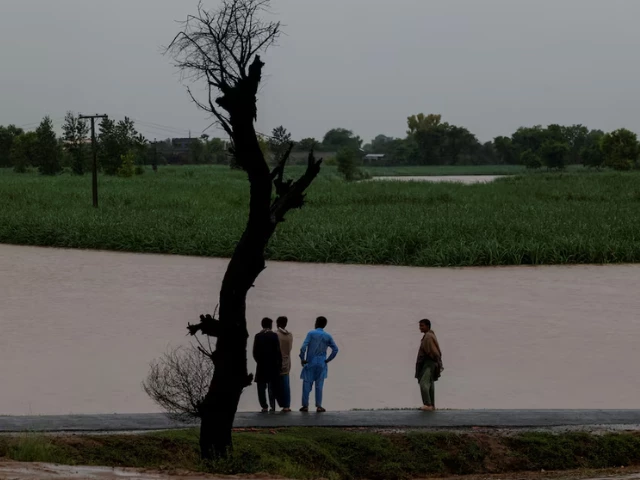
The second phase of a flood plain mapping survey in Punjab was inaugurated by Cabinet Committee on Disaster Management Chairman Khawaja Salman Rafique.
The phase is being started simultaneously from Kasur and Rajanpur, where more than 150 teams will participate in the survey.
The survey of the river basins in Dera Ghazi Khan and Rajanpur had been completed in nine months. All major waterways, including 19 key places and 13 river basin areas were mapped.
The provincial minister said the new phase is being started with a survey of the Sutlej River in District Kasur and Indus River in Rajanpur. The survey of the Chenab, Jhelum, Sutlej, Ravi and Sindh rivers will be conducted.
The flood plain survey will help collect complete data of the population along the rivers.
Real-time data and information on flood trends of the last 20 years will be collected through a mobile app and satellite.
With the help of the survey, information will be obtained about the vulnerable population such as children, the elderly and differently abled persons.
Contact numbers and other information of the Imam Masjid, Lambardar and other people at the rural level will be available. Property ownership information will also be updated daily.
Provincial Disaster Management Authority DG Irfan Ali Kathia said all this data will help in making the AI-based early warning system more comprehensive and better.
The data obtained from the survey will help in establishing relief camps, planning for evacuation of populations and other important decisions. The survey will play an important role in assessing losses and providing assistance during disasters.
He said evidence-based zoning can prevent encroachment and population growth in flood-prone areas.
The DG said timely decisions will be taken regarding the construction and strengthening of embankments with the help of the survey. It will help monitor river erosion and make advance arrangements to stop it.
He said the mapping is being done around all the rivers and streams of Punjab. In view of climate change, risk assessment and mapping are indispensable for dealing with natural disasters, he added.











This material may not be published, broadcast, rewritten, redistributed or derived from. Unless otherwise stated, all content is copyrighted © 2026 The Express Tribune.











COMMENTS
Comments are moderated and generally will be posted if they are on-topic and not abusive.
For more information, please see our Comments FAQ