SBP opens formal banking to licensed virtual asset service providers
Updated 4 hours ago

Research house projects KSE-100 to reach 206k on soft oil, strong earnings
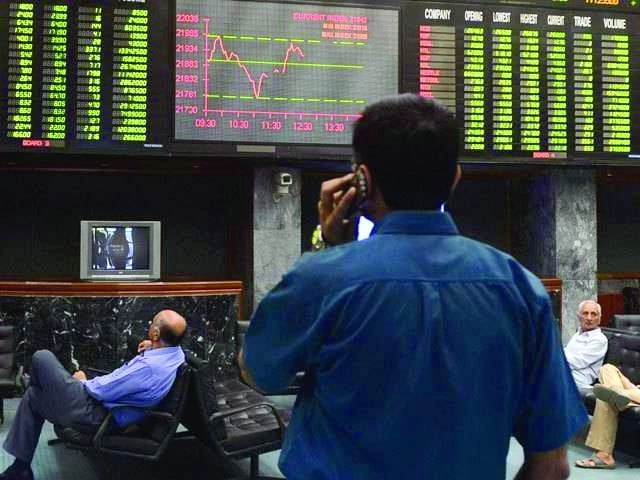
Pakistan's stock market is expected to extend its record-breaking rally into next year, with analysts at Taurus Securities projecting that the KSE-100 index may surpass 200,000 points by December 2026, supported by strong corporate earnings, improved investor confidence, and continued policy anchoring under the IMF programme.
The bullish forecast builds on the index's performance in 2025, as the market absorbs domestic political instability, falling global commodity prices, and active reforms in the energy and fiscal sectors. "We expect the KSE-100 index to reach 206,000 points by the end of Dec'26, translating into a 24% return from the current levels," noted Taurus Securities in a report.
According to the brokerage house, the KSE-100's valuation remains compelling even after a nearly 45% gain during 11MCY25, driven by robust profitability in banks, energy, cement, and technology stocks. It expects FY26 earnings growth to remain strong, with companies benefiting from improved pricing power, lower financial costs over time, and operational efficiencies induced by structural reforms. Assuming macroeconomic continuity and predictable policy momentum, the index has the capacity to rise another 20-25% over the next year, Taurus noted, adding that liquidity from local investors remains a crucial pillar of the ongoing rally.
While the broader trend remains positive, the KSE-100 has shown signs of short-term consolidation. The index hovered around the 166,000 level at the end of November as investors digested geopolitical risks and awaited clarity on upcoming monetary and fiscal decisions. Taurus attributes the slowdown largely to the uncertainty created by the Pakistan-Afghanistan border closure, which has disrupted trade flows and weakened sentiment in stocks with Afghan exposure.
Still, domestic participation remains strong. The brokerage observed that while foreign investors continued to trim positions in November, local individuals, banks, and mutual funds absorbed the selling, keeping the market stable near record highs. This trend underscores the "deepening domestic equity culture" and the market's resilience to external shocks. The cement sector remained in the spotlight throughout November, particularly after Maple Leaf Cement (MLCF) announced its intention to acquire a 58% stake in Pioneer Cement (PIOC). The news sparked aggressive buying, pushing PIOC up 64% month-on-month, with MLCF advancing 10% MoM. Fertilisers also saw momentum, with Fauji Fertiliser Company (FFC) gaining 20% following its inclusion in the KMI-30 Index, prompting Islamic portfolio inflows.
In contrast, Pakistan Aluminium Beverage Cans (PABC) emerged as the worst-performing major stock, dropping 15% due to its heavy reliance on the Afghan market at a time when formal trade remains suspended.
A major theme highlighted by both Taurus and JS Research is the continued weakness in oil prices. WTI crude traded below $60 per barrel in November, its lowest level in years, on account of record US inventory builds, subdued global trade, and reports that Saudi Arabia may cut Asian oil prices to five-year lows. Analysts say this provides meaningful relief for Pakistan's import bill, stabilising the rupee and easing inflationary pressure.
The trade halt with Afghanistan, in effect since October 11, triggers growing concerns. Taurus estimates that if the border remains closed for three months, Pakistan could lose around $150 million in exports during the second quarter of FY26. Cement exporters and firms heavily dependent on the Afghan market, including PABC, remain most vulnerable. However, the shutdown has also created unexpected beneficiaries. With illicit inflows from Afghanistan sharply reduced, industries previously hurt by smuggling, including tyres, petroleum products, steel, electronics, and personal care goods, are witnessing a demand shift towards formal-sector products.
JS Research, in its market review, echoed the strong medium-term outlook but warned that the market may continue to consolidate in the near term as geopolitical and macroeconomic uncertainties persist. The brokerage noted that despite a $112 million current account deficit in October, Pakistan's overall balance of payments remain in surplus due to steady inflows and soft import prices.
With inflation above 6% in November, JS sees no room for a policy rate cut in the upcoming meeting on December 15. Both brokerages identify the IMF Executive Board meeting on December 8, which will review Pakistan's second EFF tranche and first RSF facility, as a near-term trigger for market direction. A successful review could unlock $1.2 billion.













This material may not be published, broadcast, rewritten, redistributed or derived from. Unless otherwise stated, all content is copyrighted © 2026 The Express Tribune.






COMMENTS
Comments are moderated and generally will be posted if they are on-topic and not abusive.
For more information, please see our Comments FAQ