
Rise of the roaches!
Updated 12 hours ago

Pakistan’s push for a cashless economy risks stalling without digital infrastructure, trader trust, policy support

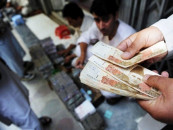
Pakistan's heavy reliance on cash has become a structural barrier to economic stability. As Prime Minister Shehbaz Sharif renews his push for a cashless economy, the distance between ambition and implementation is hard to ignore. Despite years of attempts to document the retail sector, fewer than 700,000 retailers have adopted any form of digital payment so far. This is a sobering figure for a government now targeting two million digitally linked merchants by June next year, especially amid persistent resistance from the trading community.
The economic case for reducing cash use is strong and a shift towards digital payments would bring Pakistan closer to global financial standards at a time when the world is rapidly moving toward automated and traceable payment systems. Indeed, the government's success in surpassing its target for digital banking users shows that Pakistanis are willing to embrace digital tools when they are accessible and trustworthy.
However, the journey toward a cashless economy cannot be built on policy directives alone. Pakistan still lacks the robust digital frameworks. Without strong cybersecurity and reliable broadband, the adoption of digital payments will remain slow and fragmented. Traders — already wary of documentation — are unlikely to shift unless the system is stable, low-cost and supported by consistent government policy rather than intermittent enforcement drives that are later abandoned.
The recent success of transferring BISP assistance through digital wallets is an indication of what is possible when systems are integrated and well-monitored. This should be the model for broader financial reform.
Going cashless does promise improved governance but only if the digital rails on which it rests are secure, credible and universally accessible. The state must therefore pair its ambition with investment, especially in creating an ecosystem and digital model that helps the cashless model thrive.







This material may not be published, broadcast, rewritten, redistributed or derived from. Unless otherwise stated, all content is copyrighted © 2026 The Express Tribune.






COMMENTS (1)
Comments are moderated and generally will be posted if they are on-topic and not abusive.
For more information, please see our Comments FAQ