
Survey finds deepening economics doubts in India
About 66% Indians think it will be difficult for their kids to become wealthier than the current generation.
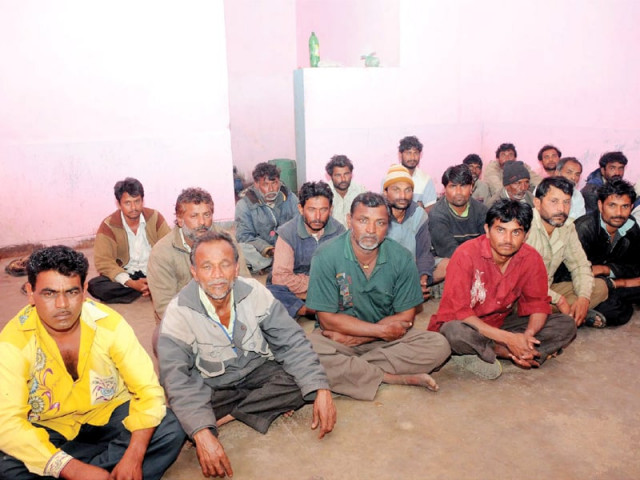
"Although still relatively upbeat compared with many other countries, the Indian public's confidence in their country's direction and future economic growth has declined significantly compared with just a year ago," Pew Research organization said Monday.
In a world where the Americans, the Europeans and even the Chinese have reason to worry about their economies, it is the Indians who have lost the greatest faith in their economic fortunes, it said, releasing new data from a survey.
Indians today are mixed in their assessment of their national economy: 49% say the economy is in good shape, while 45% describe the economy as bad. A year ago opinion was more upbeat, with a 56%-majority saying the national economy was doing well, compared with 43% who disagreed.
Despite this decline, Indians remain more positive about current economic conditions than populations in most of the 17 countries surveyed in both 2011 and 2012 by the Pew Research Center's Global Attitudes Project.
Nevertheless, the trend line in India conveys a more troubling story. Just 38% of Indians are satisfied with the way things are going in the country - a 13 percentage point decline since last year. This is among the largest drops in national contentment across the countries surveyed in 2011 and 2012.
Meanwhile, the proportion of Indians who think current economic conditions are good is down seven percentage points from 2011. And only 45% of Indians think their economy will improve over the next 12 months. Such optimism has declined 15 points since 2011, again the largest falloff among the 17 nations with comparable data.
A year ago, Indians' economic mood trailed that in China, bested that in Europe and the United States, and was comparable to that in Brazil. Today, Indians' evaluation of their current national economic situation trails that in China by 34 percentage points and Brazil by 16 points.
But Indians are not terribly optimistic about their children's economic prospects. About two-thirds (66%) think it will be difficult for their kids to get a better job or become wealthier than the current generation. Such pessimism is relative, however. Among the 21 nations surveyed, people in 17 countries are even more glum about their children's futures.
By a margin of 25 percentage points, higher-income Indians are more satisfied than lower-income Indians with their personal economic situation. Richer Indians are more likely than lower-income Indians, by 13 points, to say they are better off than they were five years ago. And by nine points, they are more likely to say that their children can do better financially than themselves.
Roughly seven-in-ten (72%) Indians say the gap between the rich and the poor is a very big national problem. On India's relation with the world, the survey finds that only a third of urban Indians have a favorable view of China. And those who say that China's growing economic influence is bad for India are more likely to describe relations between the two countries as hostile.
There is little support among urban Indians for Iran (28%), and about half (52%) oppose Tehran obtaining nuclear weapons. Among those who oppose Iran acquiring nuclear arms, a 62%-majority favors tougher economic sanctions to prevent this possibility, and 69% believe it is important to keep Iran from acquiring a nuclear arsenal even if that means taking military action.
The survey reveals that just 13% of all Indians have a positive view of their neighbor Pakistan. Nevertheless, seven-in-ten overall think it is important to improve relations, including through resolution of the Kashmir dispute (77%), increased trade (64%) and further negotiations (58%).
Notably, Indians and Pakistanis share an animosity toward each other. But both want their bilateral relations to improve, the Pew report said.
LATEST

Immigration judge rejects Trump effort to deport Palestinian student

France arrests nine over far-right activist's killing

UK police probe flights over Epstein trafficking

PM urges inclusive global development push
France, India hail growing ties as Modi hosts Macron

US will match Chinese low-yield N-tests
MOST READ

Rs1500 prize bond draw winners for February 16, 2026 announced

Local gold, silver rates drop after declines in international markets

Political undertones mark CM's varsity visit

NEPRA floats draft amendment rolling back net metering policy changes for existing users

'The cheater has finally been exposed': Sannia Ashfaq fires back at Imad Wasim










COMMENTS
Comments are moderated and generally will be posted if they are on-topic and not abusive.
For more information, please see our Comments FAQ