
Mea culpa
Most of us who become parents have very definite ideas of what we want our children to be like.
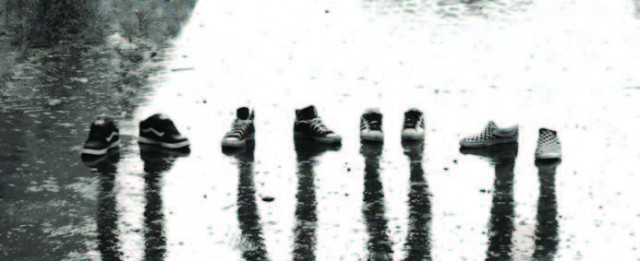
If the flaw in Isadora’s hopes is not immediately apparent, it is entirely understandable. Most of us who become parents — and possibly many of us who do not — have very definite ideas of what we want our children to be like. In the zeal of pregnancy, I too harboured pious hopes for my child and stocked up on all manners of tactics from parenting guides to help my bundle of joy develop. I was completely taken aback then when said bundle of joy arrived with — of all things — a personality.
It flouts every notion of fairness when you think about it. You count on a new life to be exactly that; a sort of tabula rasa on which you get first dibs, a brand new baby for you to lovingly nurture and mould into the perfect human being that you really just might have been yourself. Like any responsible parent, I wanted to deposit little nuggets of wisdom in my baby, instill good habits before he got the chance to develop bad ones, and through careful, patient parenting bestow a complete and balanced personality on him.
What I didn’t count on though was that most of the time I would not be the architect of his personality but just the spectator — and some time guide — as it naturally unfurled before me. Still, it’s hard not to feel responsible — almost culpable for many of his traits. Every time, for example, someone casually remarks on how thin my two-year-old has become, I wince inwardly because somehow it is a failure on my part. Strong and active as any child his age, I know my son is in good health. His thinness is his body type, the DNA he inherited from his parents unraveling as he grows from babyhood to boyhood. But when I make his omelette in the morning it is with an extra dollop of butter and the hope that there is still something I can do to change him.
What worries me the most though is his nervous intelligence. Faced with a new situation, person, or object he is wantonly exuberant, hard to disengage, his energy at such a pitch that any interruption will crush him immediately. I can sense the budding anxiety in his temperament and I wish he could be more stoic, not quite so high-strung.
Of course, the things I worry most about are those that I regard as my own personal faults — the thinness, the anxiety are traits that I have ingenuously passed on to him. And to see them replicated so faithfully in a new human being, who by all rights, should have been born unhampered by any kind of hang ups — to discover these hopelessly deterministic congenital failures in my child frightens me.
But I have to recognise my fears for what they are — my fears, not necessarily my child’s shortcomings. Every time I start worrying excessively about something, I take a step back and ask myself (or my husband) “Is he fine?” Usually, it is my husband who will say emphatically that he is.
Ultimately, I have to remember that though he may have inherited my personal defects, he also has the universal, human power to overcome them, to take stock of his weaknesses and change what he doesn’t like about himself. And that is where the real pride of being a parent comes in — not simply in ensuring that your child has no failings but in watching him rise above those he does.
Published in The Express Tribune, August 22nd, 2010.





MOST READ
Gold drops by Rs5,200 per tola as global prices tumble

Monsoon preparations begin in Rawalpindi

Govt to offer electric bikes on easy instalments to employees up to grade 16

Govt denies solar licensing claims

'Clock is ticking': Trump says Iran deal will happen only when 'appropriate' for US






COMMENTS
Comments are moderated and generally will be posted if they are on-topic and not abusive.
For more information, please see our Comments FAQ