PM Shehbaz condemns drone attack on Kuwait, assures support to injured Pakistani
Updated 56 minutes ago

Premier reaffirms solidarity with Kuwait, says embassy providing necessary assistance to injured national
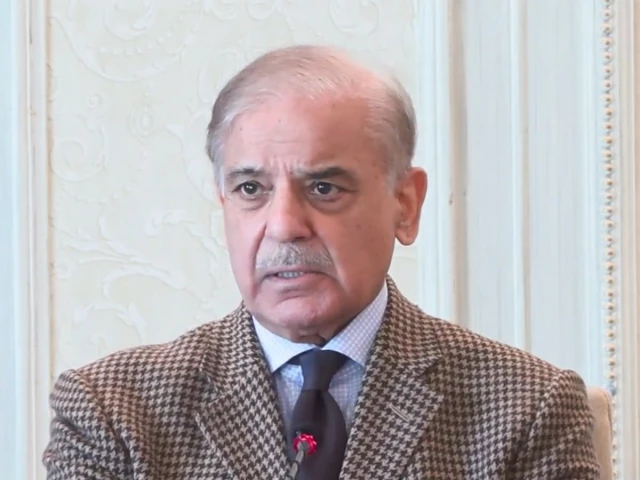
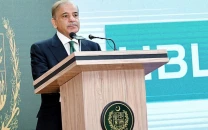
Prime Minister Shehbaz Sharif on Saturday condemned the drone attack on Kuwait, which left a Pakistani national injured, calling for respect of Kuwait's sovereignty, security and territorial integrity.
In a post on X, PM Shehbaz stated that Pakistan stood "in full solidarity with the leadership and people of brotherly Kuwait."
Reaffirming "our firm support for Kuwait’s sovereignty, security and territorial integrity," the premier underscored that these "must be fully respected."
I strongly condemn the recent drone attack on Kuwait. Pakistan stands in full solidarity with the leadership and people of brotherly Kuwait. We reaffirm our firm support for Kuwait’s sovereignty, security and territorial integrity and underscore that these must be fully…
— Shehbaz Sharif (@CMShehbaz) November 28, 2026
His remarks came after Kuwait’s military said several hostile drones had entered its airspace on Thursday and that an attack attributed to Iran had struck a vital facility, causing casualties and material damage.
Four people, including two Italian nationals, a Kuwaiti and a Pakistani, were initially reported to have been injured by falling shrapnel.
Iranian Armed Forces spokesman Abolfazl Shekarchi denied that Iran had targeted a vital facility in Kuwait, accusing Israel and the US of conducting false-flag operations and engaging in regional adventurism.
PM Shehbaz also extended "heartfelt condolences to the families who lost their lives," while extending prayers "for the swift recovery of those injured, including a Pakistani."
Read: Pakistan, Saudi Arabia and Turkiye condemn Houthi attacks, pledge support for kingdom's security
He noted that Pakistan's embassy in Kuwait remained in close contact with the Kuwaiti authorities "and is providing all necessary assistance to the injured Pakistani national."
The attack and the PM's subsequent condemnation came amid continued tensions in the Gulf region, prompted by the US-Iran war which began on February 28.
With fighting involving Washington, Israel and Tehran quickly creating wider regional risks, including disruption around the Strait of Hormuz, Pakistan stepped into a mediation role as the conflict intensified.
In late March, Islamabad hosted foreign ministers from Pakistan, Turkiye, Egypt and Saudi Arabia to discuss proposals including reopening the Strait of Hormuz.
Pakistan’s efforts subsequently produced the Islamabad Talks in April, when US and Iranian delegations came to Islamabad for negotiations.
Pakistan’s role was described as facilitating direct engagement after decades without such talks. The process culminated in an Islamabad Memorandum of Understanding (MoU) and an interim ceasefire that was intended to provide a 60-day window for negotiations towards a permanent agreement.







This material may not be published, broadcast, rewritten, redistributed or derived from. Unless otherwise stated, all content is copyrighted © 2026 The Express Tribune.






COMMENTS
Comments are moderated and generally will be posted if they are on-topic and not abusive.
For more information, please see our Comments FAQ