BBH to get MRI, CT scan machines
Updated 23 minutes ago

Introduces digital wallets for 13m beneficiaries; unmarried women aged 45 included
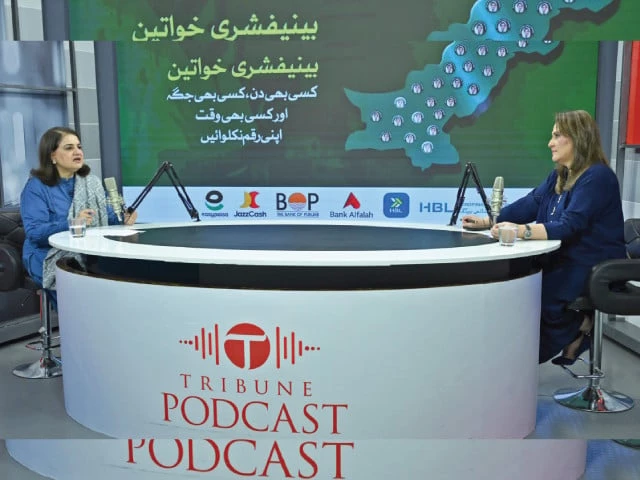
The Benazir Income Support Programme (BISP) has introduced a digital wallet system for its 13 million active beneficiaries, allowing women to receive and withdraw quarterly stipends directly through bank accounts. The initiative aims to improve transparency, prevent illegal deductions and eliminate queues at payment centres. The change is intended to strengthen payment safeguards.
BISP Chairperson Senator Rubina Khalid said the government had issued free SIM cards and opened linked digital accounts. Speaking on The Express Tribune Podcast, she said BISP had partnered with six institutions - Habib Bank, Bank Alfalah, Bank of Punjab, Easypaisa, JazzCash and Habib Microfinance - for an interoperable payment system.
Previously, women used designated banks in specific clusters. They can now withdraw money from any partner, seven days a week and without banking-hour restrictions. Notifications of deposits and withdrawals will provide transaction records.
Rubina advised women to carry their original Computerised National Identity Cards (CNICs) and mobile numbers linked to their wallets. Biometric verification must be completed personally; relatives cannot collect payments on their behalf. Calling a mobile phone a woman's purse, she warned against handing devices to unauthorised people. Women facing fingerprint problems can seek assistance at BISP's around 650 offices.
The chairperson said unmarried women aged 45 and above had been added to the eligibility criteria after three sisters raised the issue during her visit to a remote area of Buner. Previously, the programme covered married, widowed and divorced women. The BISP board approved the change.
Rubina said BISP's database was integrated with the National Database and Registration Authority (NADRA) to verify applicants and prevent duplication. A uniform poverty score applied nationwide, including Azad Jammu and Kashmir and Gilgit-Baltistan.
The database records household disabilities, diseases and children's education, supporting targeted protection and emergency relief. She cited the federal Ramazan package and Sindh's drought assistance in Tharparkar as initiatives that could use it to identify deserving households.
Rejecting claims that cash assistance encouraged dependency, Rubina said social protection extended beyond financial support. The Benazir Nashonuma Programme provides pregnant women with health monitoring, nutritional supplements and additional stipends until their children turn two. Citing an Aga Khan University evaluation, she said stunting had declined by 6.5%.
The Benazir Taleemi Wazaif initiative provides stipends from kindergarten to intermediate level, with higher payments for girls. Families must maintain at least 70% school attendance.
The Benazir Hunarmand Programme offers vocational training to beneficiaries' families in healthcare, beauty services, hospitality, information technology and artificial intelligence. A pilot will provide six months of residential training to around 300 young people.
BISP is working with the National Vocational and Technical Training Commission (NAVTTC) and the Overseas Pakistanis Foundation to align courses with international labour market requirements and provide recognised certifications for overseas employment.
Rubina said the quarterly stipend had risen from Rs13,500 to Rs14,500, while administrative expenditure remained relatively low. She stressed that registration and all services were free. No one could demand enrolment fees or threaten beneficiaries with removal; even the chairperson could not personally add names.










This material may not be published, broadcast, rewritten, redistributed or derived from. Unless otherwise stated, all content is copyrighted © 2026 The Express Tribune.



COMMENTS
Comments are moderated and generally will be posted if they are on-topic and not abusive.
For more information, please see our Comments FAQ