Danny Boyle says Jack O’Connell could rival Robert Pattinson in next Bond film
Updated 17 minutes ago

Nina Jacobson said the decision was influenced by the extensive storyline, which may not have been the right approach
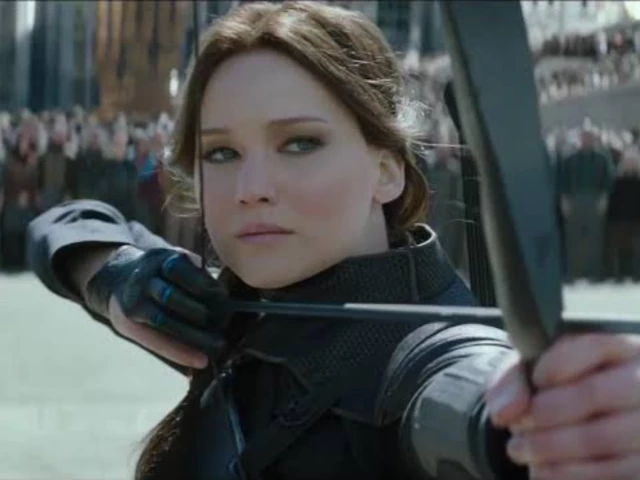
Producer Nina Jacobson has reconsidered one of the biggest adaptation decisions in The Hunger Games franchise, admitting that dividing the final book, Mockingjay, into two films may not have been the right approach.
Speaking to Empire magazine, Jacobson reflected on the decision ahead of the release of the upcoming prequel, The Hunger Games: Sunrise on the Reaping.
The original strategy followed similar decisions made by the Twilight and Harry Potter franchises, which also divided their final instalments into two cinematic releases.
“Even though I love the Mockingjay films, if I had it to do over again, I think both Francis [Lawrence, director] and I might try to do it all in one,” Jacobson said.
She acknowledged that the decision was influenced by the book's extensive storyline but recognised how audiences interpreted the move.
“But in the end, I think that Francis and I both felt that splitting them up… even if it did come from an inside-out place of really feeling like we needed two films to tell the story, I think audiences find it cynical,” she explained.
She added: “They feel like it’s a play to make them see two films instead of one.”
Jacobson also discussed how the production team has approached Suzanne Collins' subsequent novels differently, focusing on tighter cinematic adaptations rather than extending stories unnecessarily.
“We really put the burden on ourselves [now], even when it’s a big book, to transform it into a theatrical experience, to not take advantage of your audience’s patience, to make it as tight as we can,” she told Empire.
The latest instalment, Sunrise on the Reaping, continues the franchise's expansion with a cast featuring Joseph Zada, Mckenna Grace and Ralph Fiennes.












This material may not be published, broadcast, rewritten, redistributed or derived from. Unless otherwise stated, all content is copyrighted © 2026 The Express Tribune.






COMMENTS
Comments are moderated and generally will be posted if they are on-topic and not abusive.
For more information, please see our Comments FAQ