From location to leverage
Updated 21 minutes ago

.

Pakistan has spent decades celebrating its strategic location. Yet an uncomfortable question remains: if geography is such a valuable asset, why has it delivered so little sustained prosperity? The answer lies in a distinction we often overlook. Location creates opportunities; competitive businesses, dependable institutions and productive relationships turn them into jobs, exports, incomes and prosperity.
That distinction matters more as the global economy changes. Tariff wars, energy shocks and technological rivalry are reshaping supply chains. Countries are looking beyond the cheapest supplier towards reliable partners and alternative routes. For Pakistan, these shifts are not distant geopolitical developments. They affect freight costs, investment decisions, access to markets and ultimately the ability of local firms to compete.
Pakistan now has a timely opportunity to rethink its regional role. Its ECO chairmanship for 2026-27 and the forthcoming SCO Heads of State summit in Pakistan offer two important platforms for economic diplomacy. Their memberships and mandates differ, but both can help turn regional conversations towards practical cooperation. The measure of success should not be the number of declarations issued. It should be what changes for businesses trying to trade, invest and build partnerships across borders.
That means asking concrete questions. Can a shipment clear a border more quickly? Can a manufacturer rely on predictable transit arrangements? Can an investor connect a Pakistani enterprise to a regional supply chain? ECO cooperation can support trade and transport links among neighbouring economies, while SCO engagement can open wider conversations on investment, technology and connectivity. Neither forum can substitute for domestic action, but both can help Pakistan pursue it with greater regional purpose.
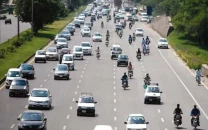
The starting point is to recognise what geography can and cannot do. Pakistan lies between China, Central Asia, South Asia and the Gulf. This gives it access to several economic regions, but access on a map is not access in a marketplace. Roads, ports and railways matter; so do customs procedures, security, standards, logistics, finance and reliable rules. A motorway that ends in hours of border clearance is not an efficient corridor. A port without competitive logistics cannot deliver its full promise.
Central Asia illustrates the gap between possibility and performance. Pakistan could offer landlocked economies access to the Arabian Sea while giving its own exporters new customers and partners. Yet border disruptions and uncertain transit arrangements can quickly undermine that promise. The lesson is not simply to construct another route. It is to make routes commercially dependable, with clear procedures and credible alternatives when one connection fails.
There is a second, more important test. Even if goods move efficiently through Pakistan, how much value will Pakistan retain? Trucks can cross our territory, and ships can call at our ports without creating a strong domestic industrial base. Transit fees have value, but the greater gains come from processing, warehousing, logistics services, manufacturing and exports linked to those flows. Transit is not transformation.
To capture more value, Pakistani firms must be able to actively participate in regional production networks. That requires skills, technology, competitive inputs, dependable regulation and the ability to meet buyers' standards. A new road can bring a market closer; it cannot make an uncompetitive product sell. Connectivity opens the door, but productive capability determines whether our firms can walk through it.
Energy offers another way to turn location into leverage. Proximity to the Gulf, Central Asia and China creates opportunities to diversify supplies, attract investment and strengthen regional energy partnerships. But the larger lesson extends beyond energy. In an uncertain world, resilience comes not from trying to produce everything at home, but from having alternatives: multiple markets, suppliers, transport routes, technologies and sources of capital. The more choices an economy has, the less vulnerable it becomes to disruption. Diversification is not diplomatic indecision; it is economic insurance.
This perspective should guide economic diplomacy more broadly. Pakistan's partnerships should be judged not only by political warmth or agreements signed, but by the investment they attract, technologies they bring, markets they open and businesses they help grow. Strategic relationships create possibilities. Their economic value emerges when firms can act on them.
The hardest obstacles may therefore lie at home. Unpredictable rules, costly logistics and entrenched interests can erode the benefits of even the best regional agreements. Some barriers survive not because solutions are unknown, but because existing arrangements protect discretion and privilege. Domestic reforms must change those incentives rather than simply establish another coordinating agency. Economic diplomacy can open doors abroad; domestic institutions must make those openings usable.
Pakistan should judge its regional agenda against three practical outcomes: the time and cost of moving goods; the value Pakistani firms create through regional connections; and the range of alternative markets, routes and suppliers available when shocks occur. These measures would provide a practical scorecard for translating Pakistan's ECO and SCO engagement into tangible gains in trade, investment, competitiveness and economic resilience.
The logic is straightforward. Geography creates possibility. Reliable connectivity opens markets. Productive capabilities turn that access into income. And diversified relationships help protect those gains when circumstances change.
Pakistan no longer needs to remind the world where it sits on the map. It needs to make doing business through and with Pakistan worthwhile. The real measure of strategic relevance is not how many routes pass through a country, but how much prosperity those routes leave behind.










This material may not be published, broadcast, rewritten, redistributed or derived from. Unless otherwise stated, all content is copyrighted © 2026 The Express Tribune.

COMMENTS
Comments are moderated and generally will be posted if they are on-topic and not abusive.
For more information, please see our Comments FAQ